Loading cart…
No products in the cart.

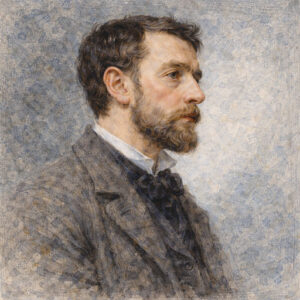
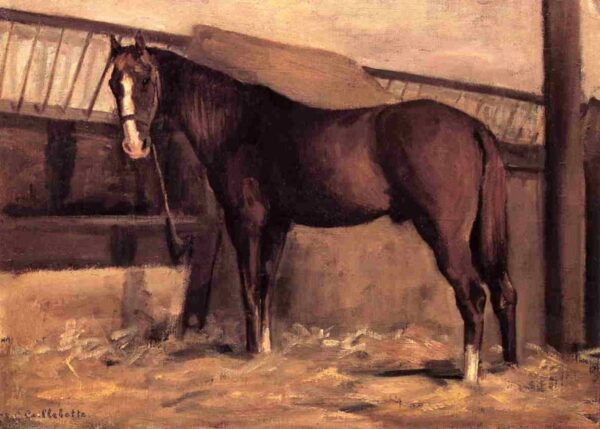
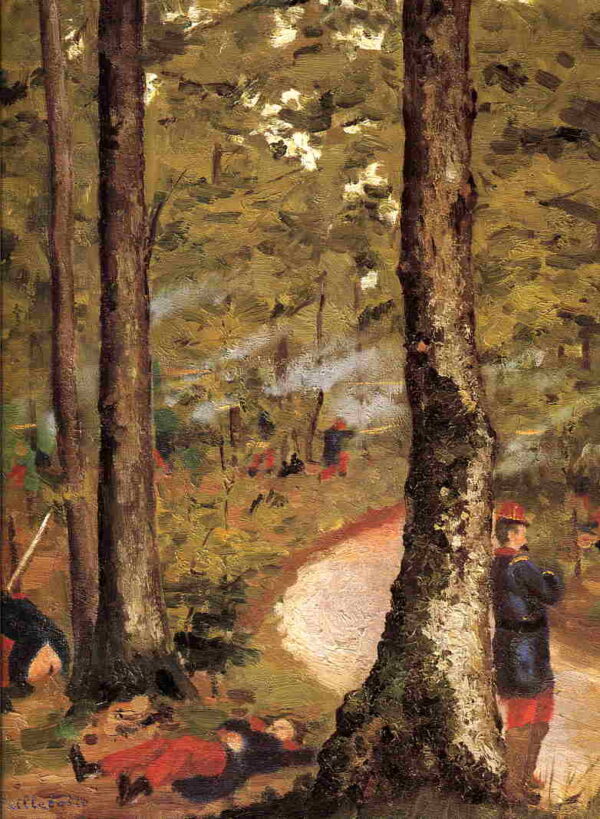
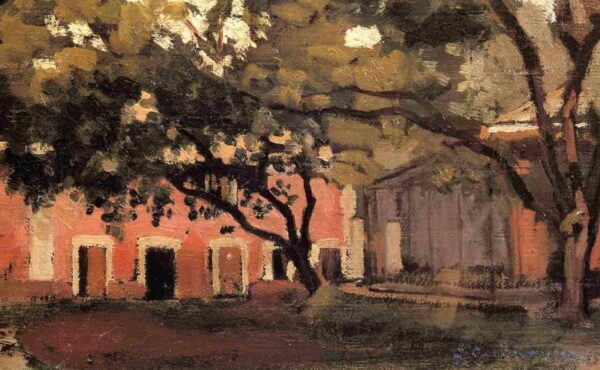
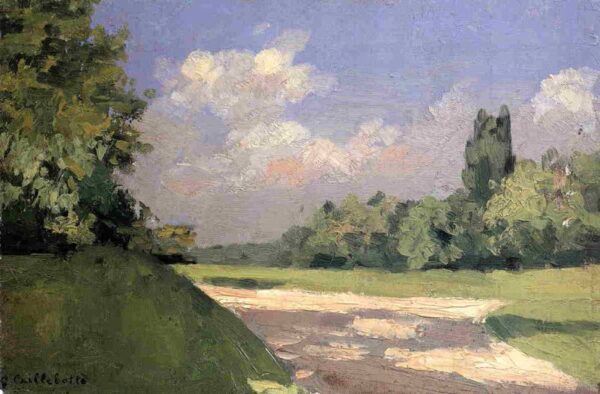
Bold, modern, and ahead of his time, Gustave Caillebotte (1848–1894) brought a photographic eye and daring compositions to Impressionism that set him apart from every other painter in the movement. As both a painter and generous patron who financially supported his fellow Impressionists, Caillebotte played a pivotal role in the history of French art.
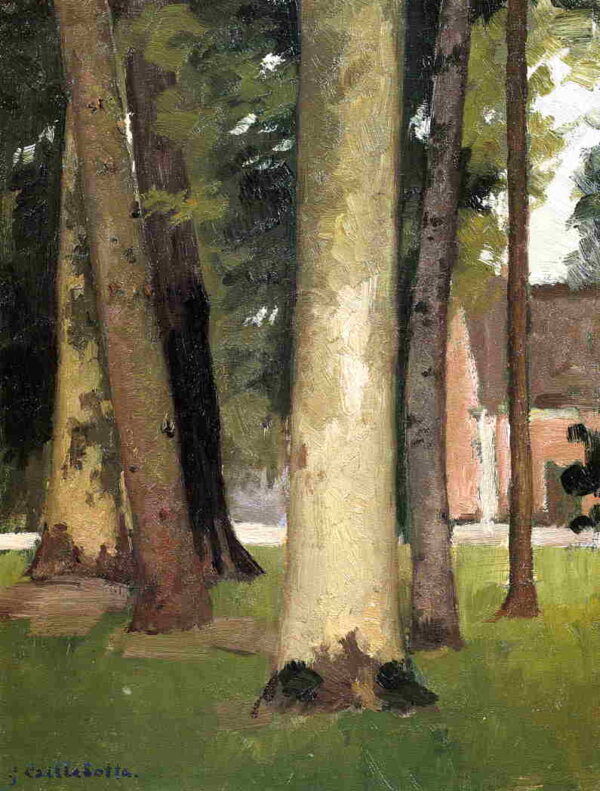
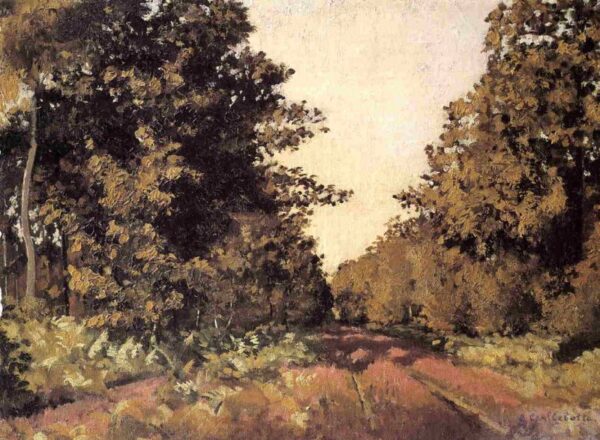
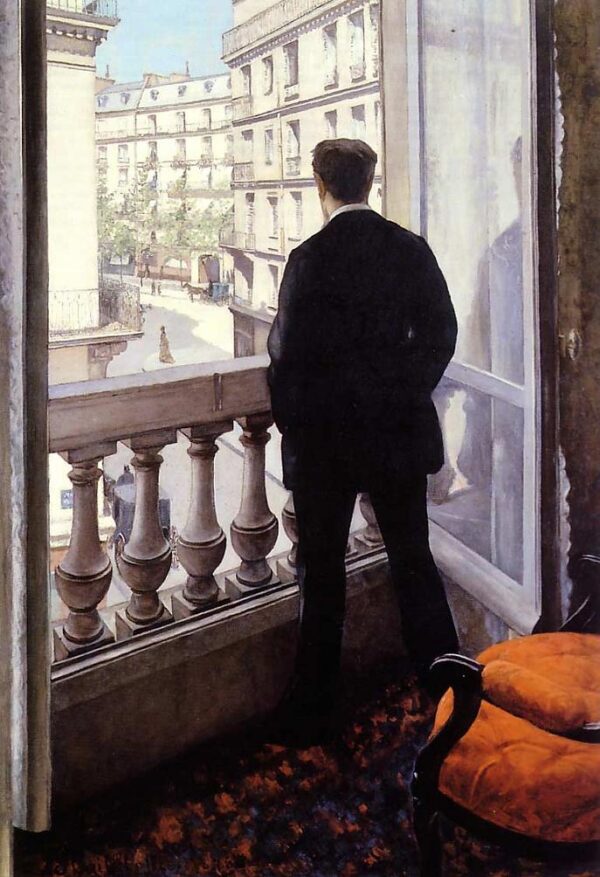
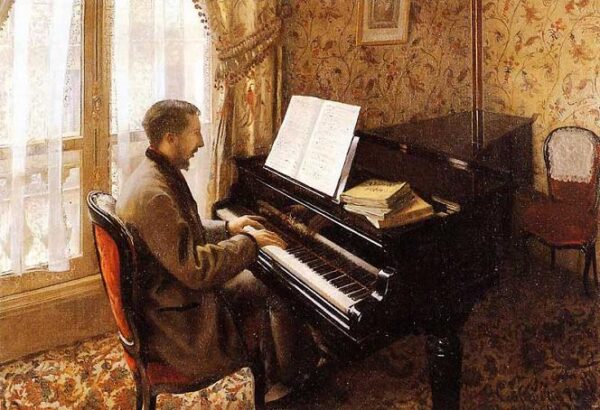
Caillebotte paintings are characterized by dramatic angles, daring cropped compositions, and a sharp-eyed focus on modern Parisian life that anticipates photography and cinema. His masterworks — Paris Street; Rainy Day, The Floor Scrapers, Man at His Bath, and Young Man at His Window — combine Impressionist light with a precision of drawing and perspective unusual among his peers.
Caillebotte’s bequest to the French state formed the nucleus of the Impressionist collection at the Musée d’Orsay. His dual legacy as artist and patron makes him indispensable to understanding Impressionism. Hand-painted Gustave Caillebotte oil painting reproductions capture the striking perspectives, urban atmosphere, and luminous detail of his Impressionist art with authentic brushwork and color.