Loading cart…
No products in the cart.

Art movement · 1600–1750
Baroque art developed in Europe during the 17th century, particularly in Italy, Spain, and the Netherlands. The movement emerged during a period of religious and political change and aimed to create powerful…
Baroque
Peter Paul Rubens
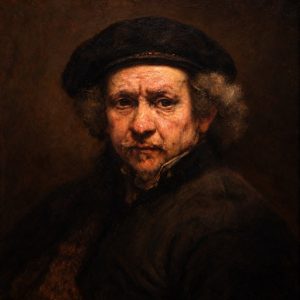
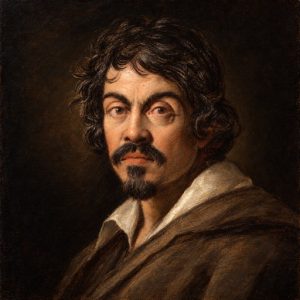
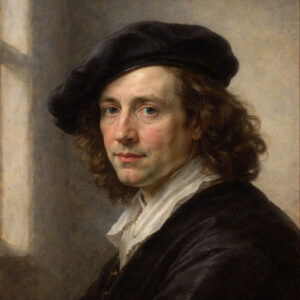
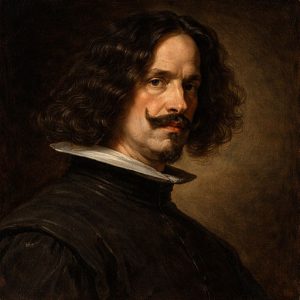
Baroque painting is the art of Europe from about 1600 to 1750, and it begins in Rome. After the Reformation, the Catholic Church wanted pictures that would move people, not just instruct them, and a young painter called Caravaggio gave them exactly that: real people, lit by a single hard beam of light, caught at the most dramatic second of the story. Within a generation the style had spread to Spain, Flanders and the Dutch Republic, where Velázquez, Rubens, Rembrandt and Vermeer each turned it into something of their own.
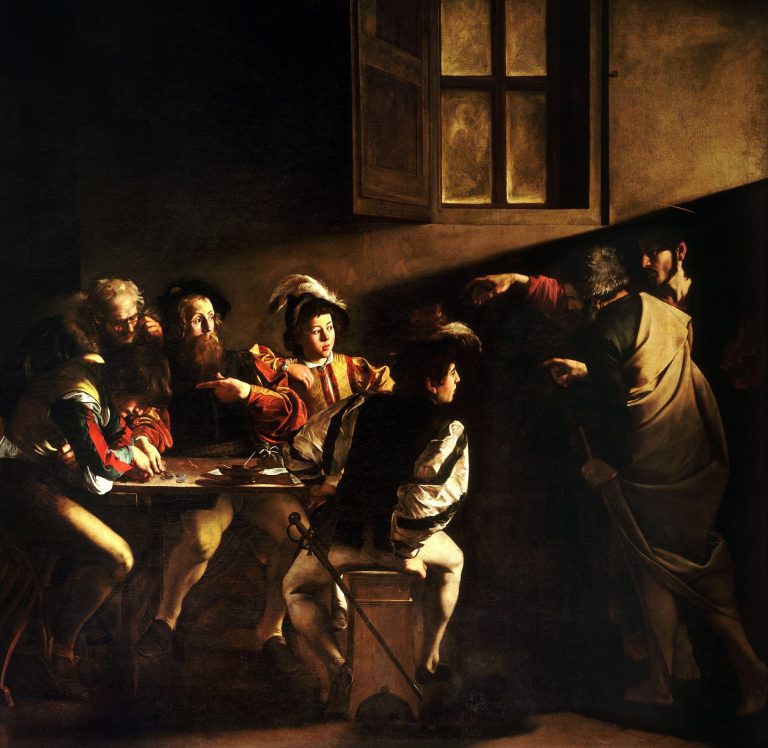
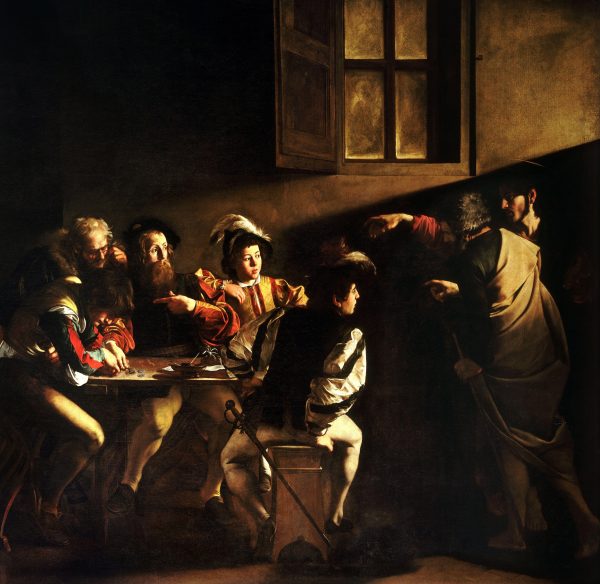
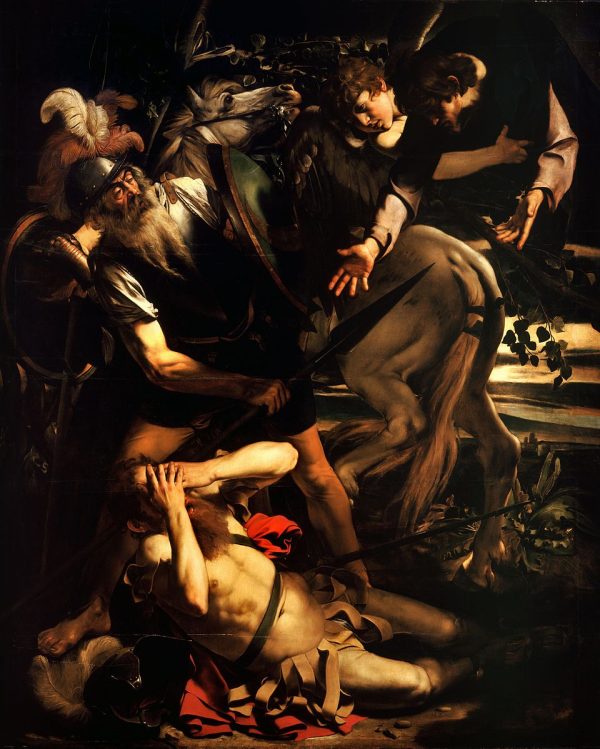
Christ points across a dim tax office and a beam of light falls on the man he has chosen. The painting that made Caravaggio famous still hangs where he painted it, in the church of San Luigi dei Francesi in Rome. Read the story.
Judith pulls the sword through the general’s neck with a look of disgust, while her old servant waits with the sack. Palazzo Barberini, Rome. Read the story.
The severed head David holds up is a self-portrait. Caravaggio painted it while he was a fugitive, condemned for murder. Galleria Borghese, Rome. Read the story.
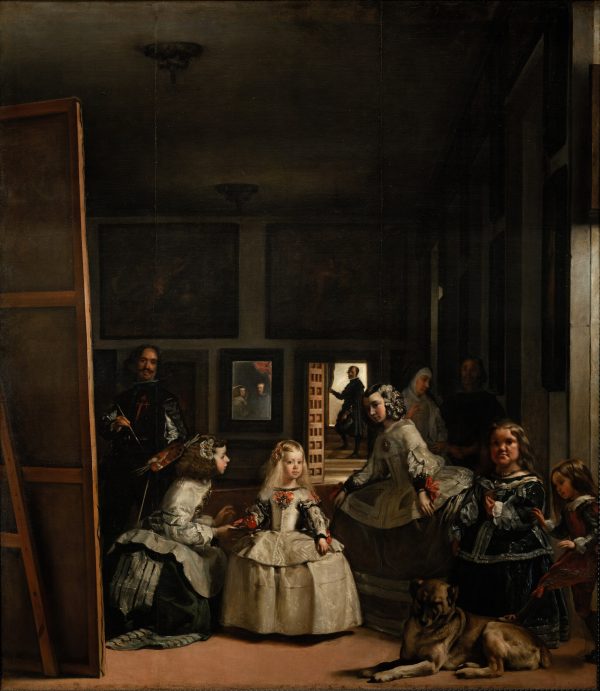
The little Spanish princess and her maids, a dwarf, a dog, and Velázquez himself at a huge canvas, while the king and queen appear only as a reflection in the mirror. Prado, Madrid. Read the story.
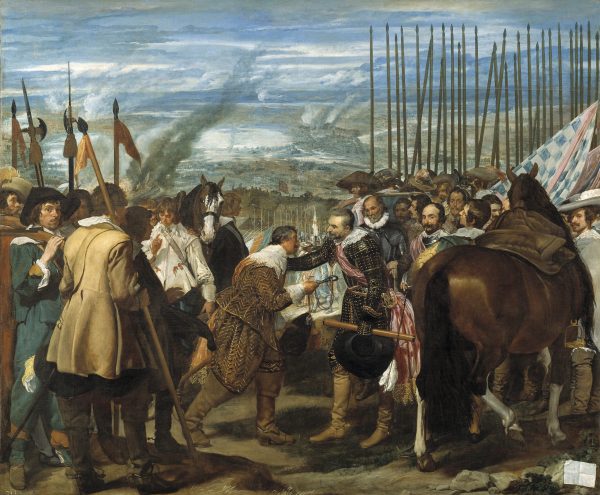
A defeated Dutch commander hands over the keys of his city, and the Spanish general stops him from kneeling. Behind them stands a forest of lances. Prado, Madrid.
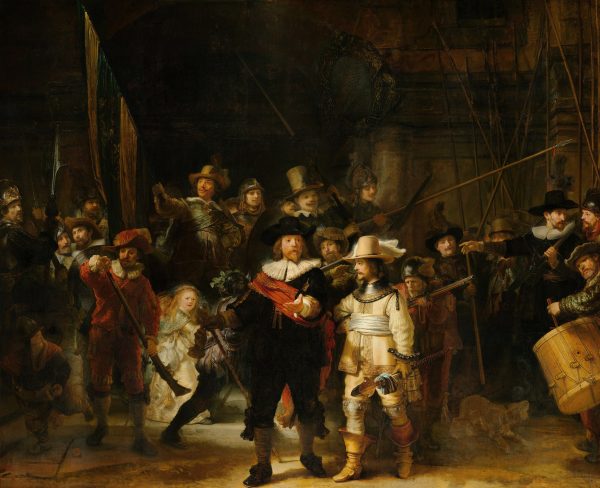
An Amsterdam militia company bursts into action. It is in fact a daytime scene, darkened by centuries of varnish, which is how it got its name. Rijksmuseum, Amsterdam. Read the story.
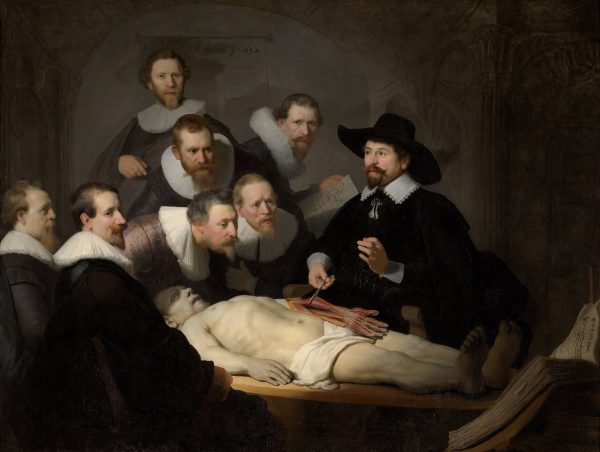
Seven surgeons lean in as Dr Tulp lifts the muscles of a dead man’s arm. Rembrandt was 26, and this was his breakthrough. Mauritshuis, The Hague. Read the story.
A ragged son kneels and his old father rests both hands on his back. Painted near the end of Rembrandt’s life, it is the quietest painting on this list. Hermitage, Saint Petersburg. Read the story.
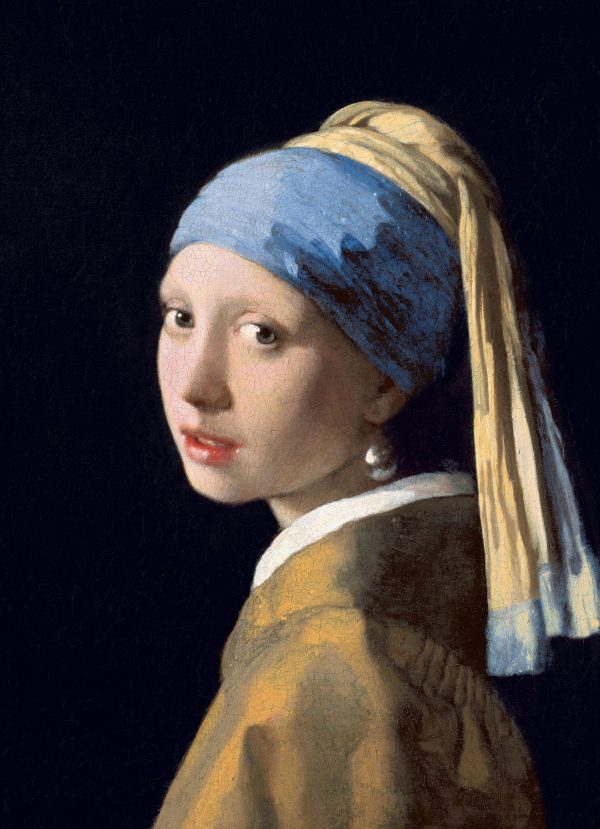
Not a portrait of a real sitter but a tronie, a study of a face, turban and pearl. Mauritshuis, The Hague. Read the story.
A kitchen maid pours milk in the light of a window, and nothing else happens. Vermeer makes the bread crust and the wall glitter with tiny dots of paint. Rijksmuseum, Amsterdam. Read the story.
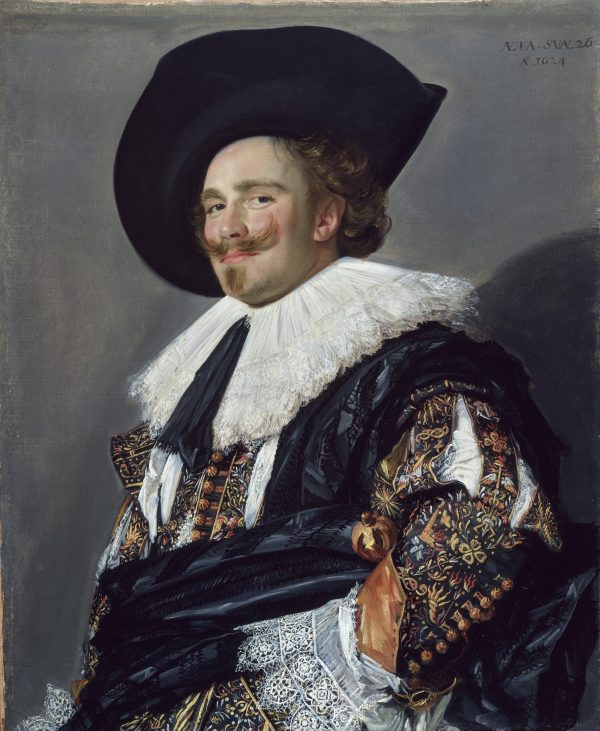
He is not actually laughing: the swagger is in the moustache, the hand on the hip and the dazzling embroidered sleeve. Wallace Collection, London. Read the story.
The god of time tears into his own child while the stars of his planet shine above him. Painted for the hunting lodge of King Philip IV of Spain. Prado, Madrid.
Shepherds in a perfect landscape find a tomb with the words “Even in Arcadia, I am here”: death, speaking. The calm, classical side of the Baroque. Louvre, Paris.
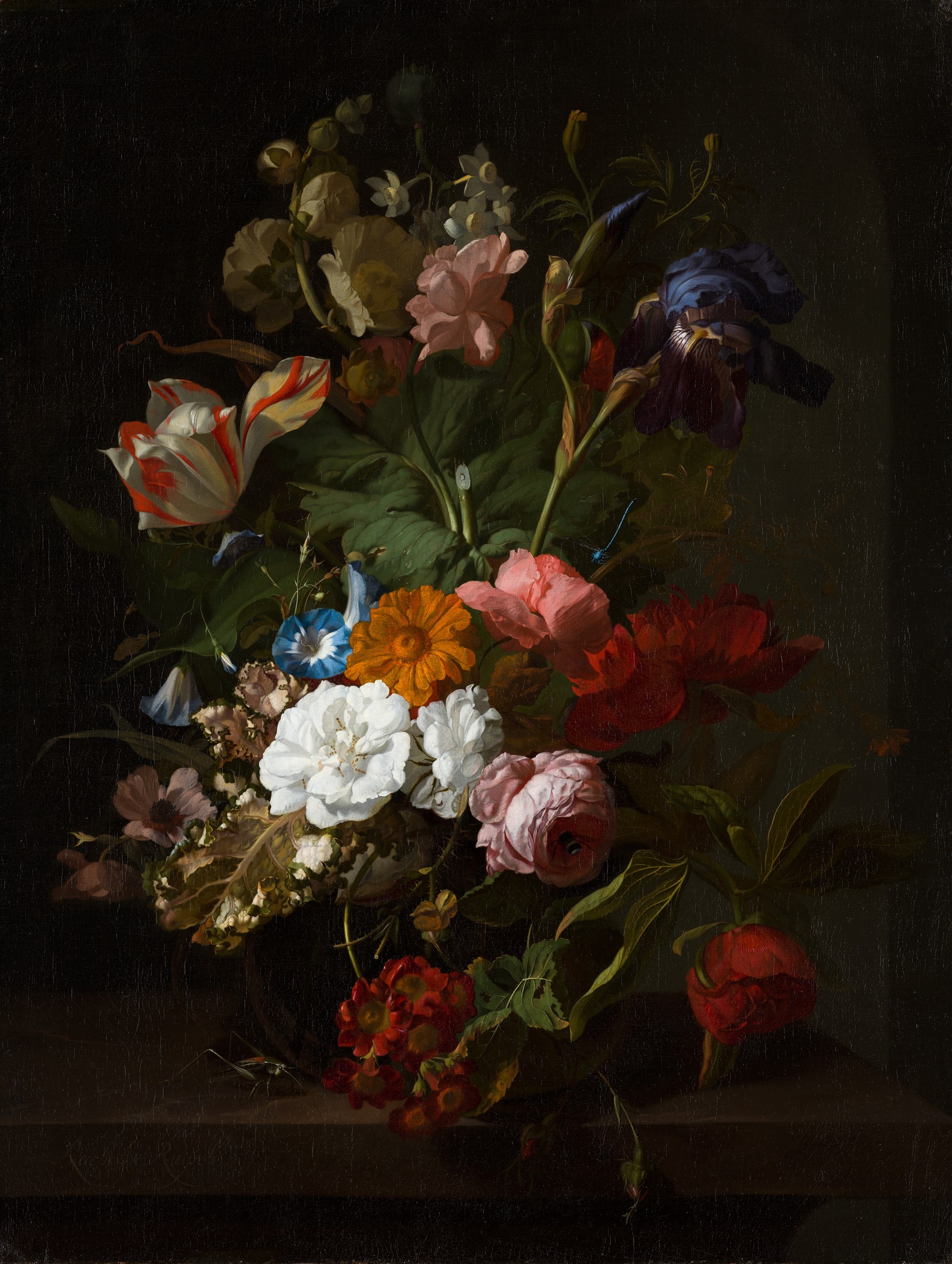
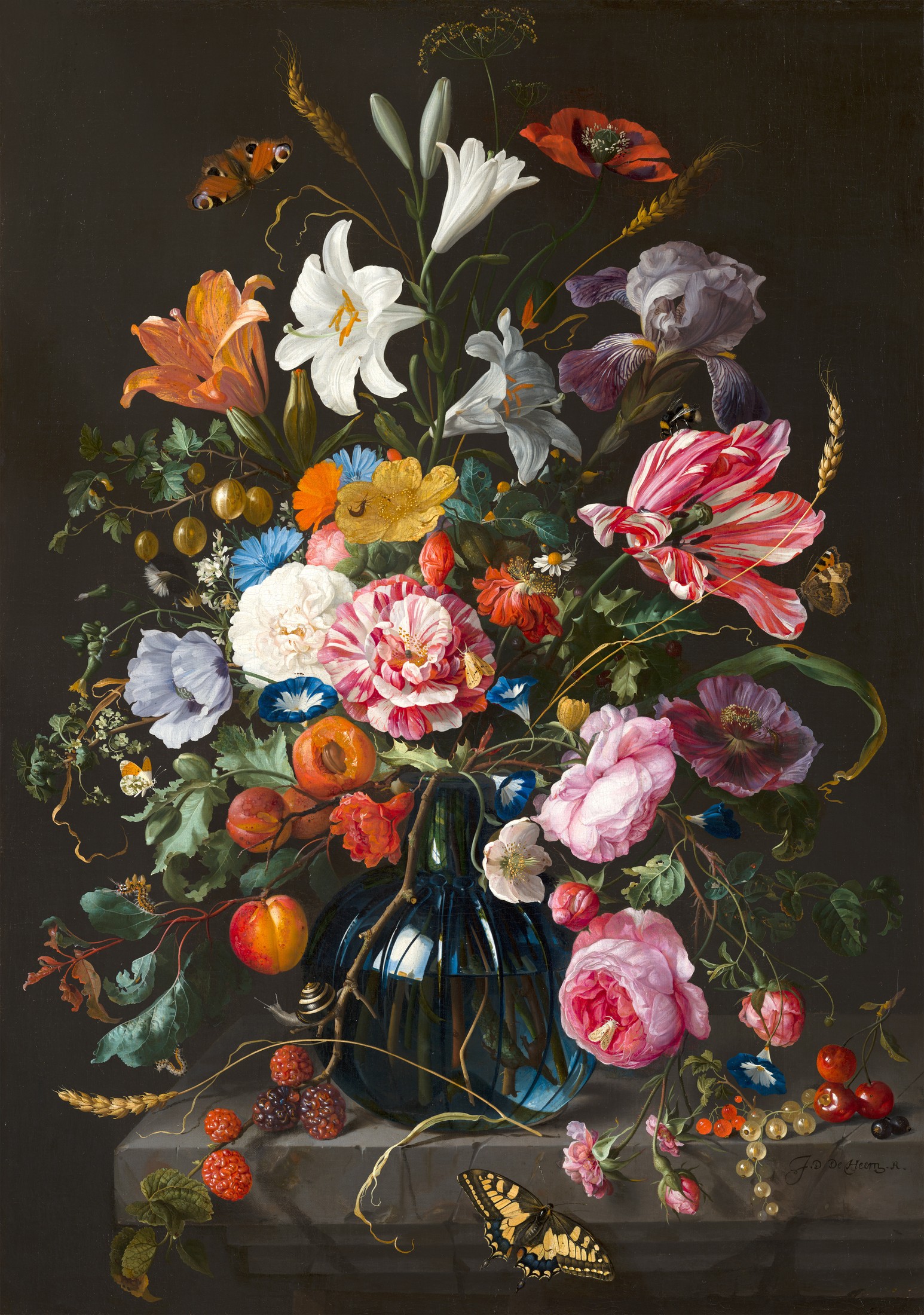
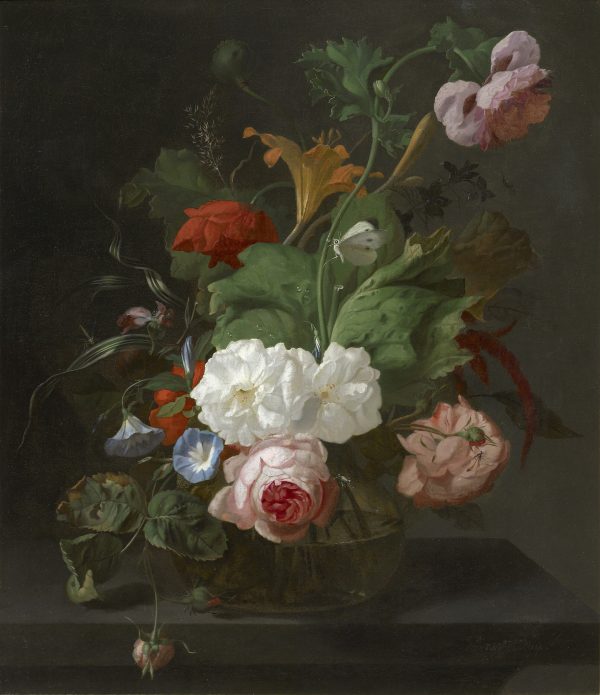
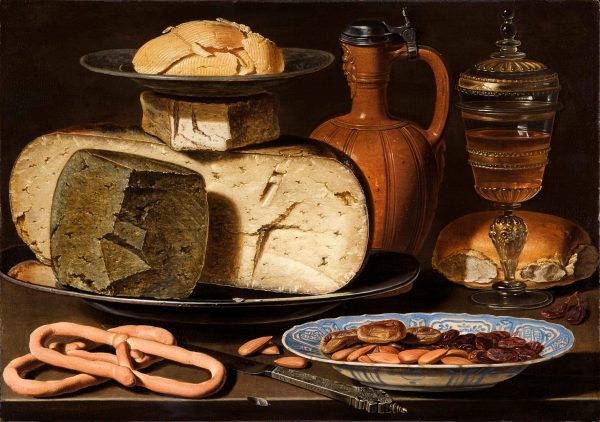
Caravaggio and Artemisia Gentileschi in Italy; Diego Velázquez and Bartolomé Esteban Murillo in Spain; Peter Paul Rubens and Anthony van Dyck in Flanders; Rembrandt, Johannes Vermeer and Frans Hals in the Dutch Republic; Nicolas Poussin and Claude Lorrain in France and Rome. The Dutch also made still life a great art of its own, with painters like Rachel Ruysch and Clara Peeters. Meet them all in our guide to the most famous Baroque artists, or read the stories in famous Baroque paintings, explained.
Every Baroque painting in our shop is in the public domain and painted by hand in oil on canvas, in the size you choose, by artists trained in layered glazes and deep shadows.
Baroque painting is drama: strong light against deep shadow, movement and emotion. Caravaggio, Rembrandt, Vermeer and Rubens made the 17th century one of the richest periods in art.
Caravaggio, Rembrandt, Vermeer and Rubens.
The Calling of Saint Matthew, The Night Watch, Girl with a Pearl Earring and Christ in the Storm on the Sea of Galilee.
Baroque paintings are often dark. Hang them in good light, and choose a size large enough for the faces in shadow to read.
Quick answers about Baroque and ordering a hand-painted reproduction.
See our guides to famous Baroque paintings and Baroque artists.
Roughly 1600 to 1750, beginning in Rome and spreading through Spain, Flanders and the Netherlands.
No. Each work is painted by hand with oil colour, so the finished surface has real brushwork and natural variation rather than a mechanically printed image.
Yes. Select a listed size or contact ByMuseum for custom dimensions that preserve the composition’s proportions.
Visit the complete art movements timeline or browse artists A–Z.
Enter the curated collections or browse every hand-painted oil reproduction.


Man Writing a Letter
Gabriel Metsu, c. 1664
The gallery list
Every painting is already 50% off. Join the list and we will send you an extra $15 code, plus first access to new collections.
No spam. Unsubscribe anytime. · Privacy Policy
Welcome
Your $15 code is on its way. Explore the gallery while you wait.