Loading cart…
No products in the cart.


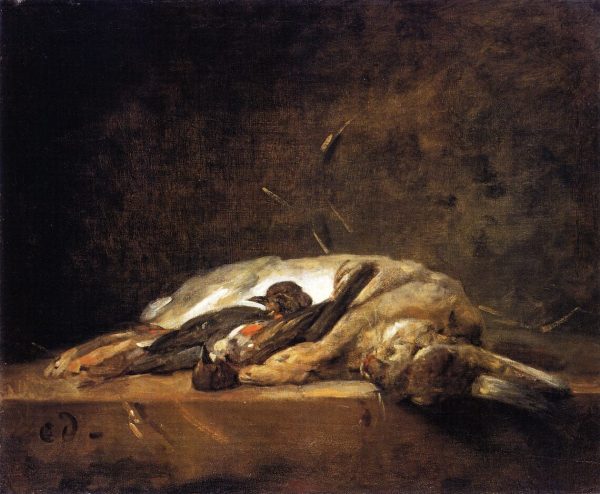
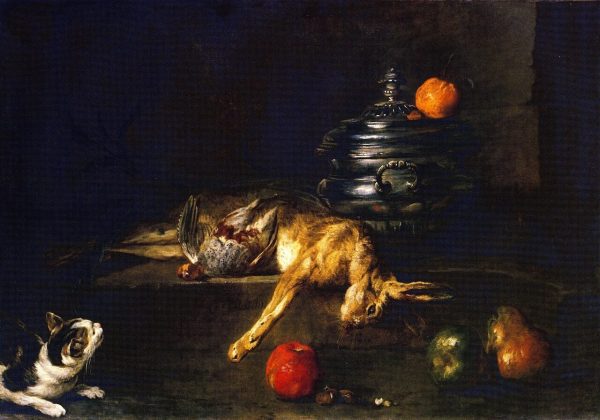
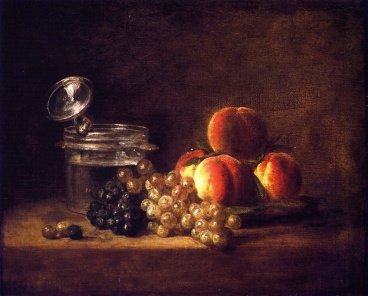
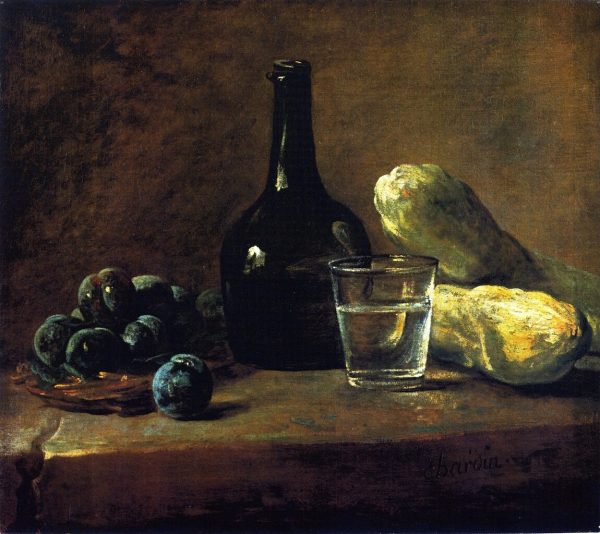
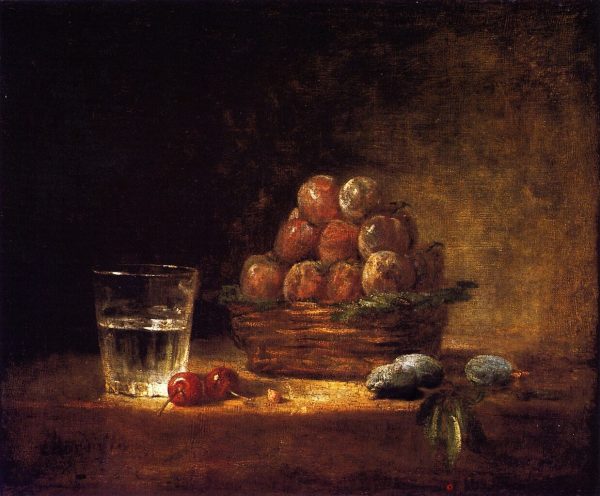
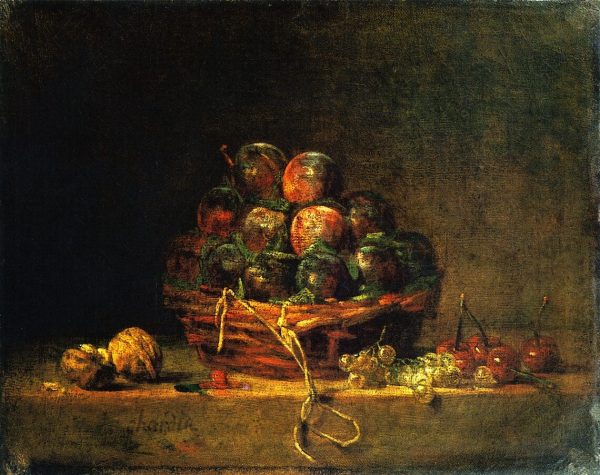
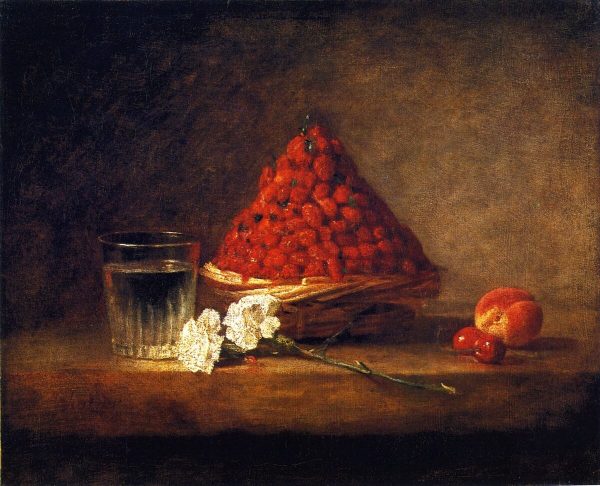
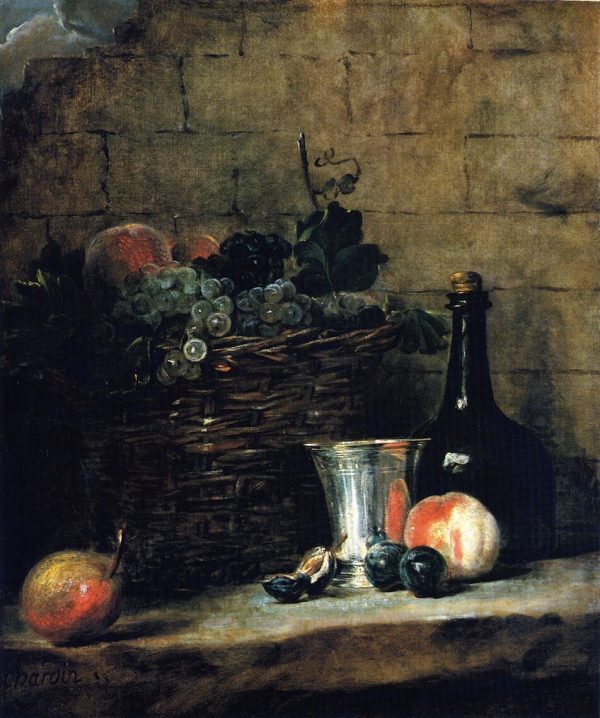
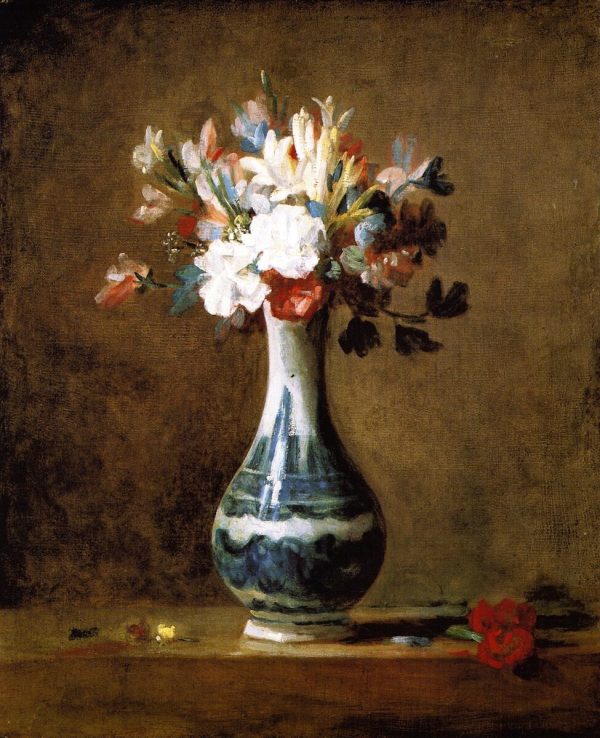
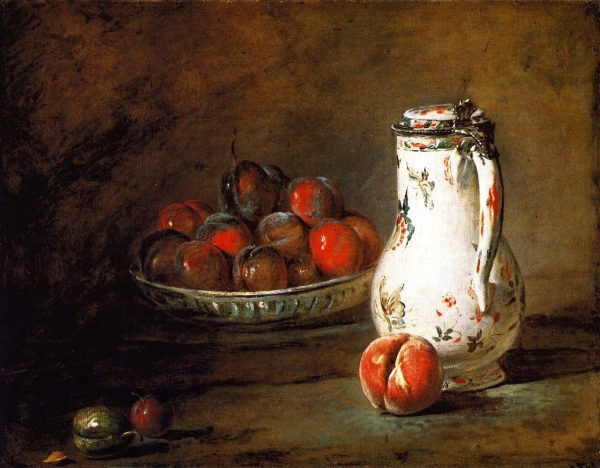
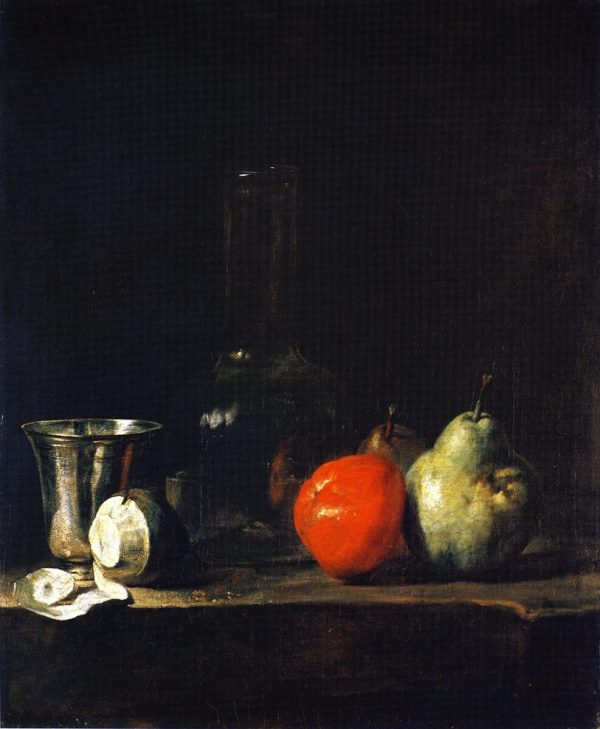
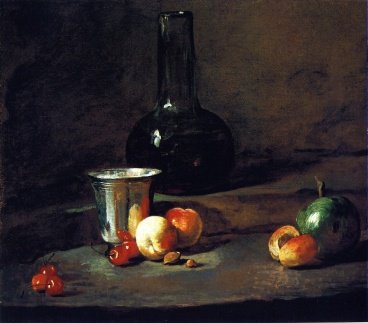
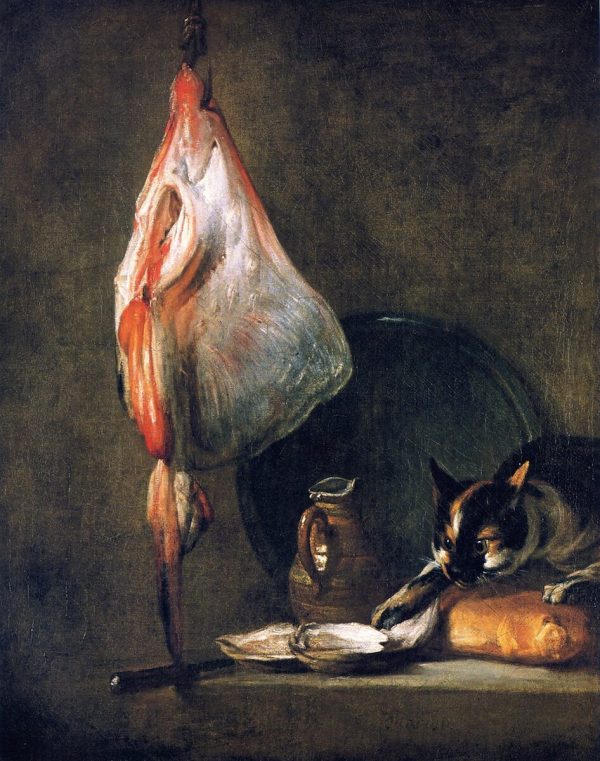
In an era of aristocratic grandeur, Jean-Baptiste-Siméon Chardin (1699–1779) found profound beauty in humble kitchen objects — transforming copper pots, earthenware jugs, and simple fruits into some of the supreme still lifes in European art. In an era dominated by aristocratic Rococo grandeur, Chardin elevated humble kitchen objects into subjects of profound beauty.
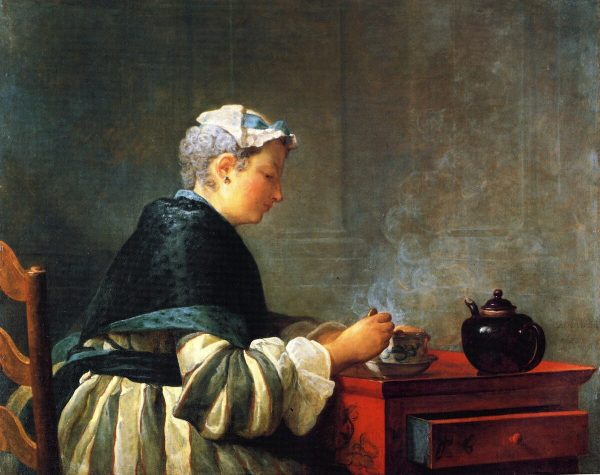
Chardin paintings — copper pots, earthenware jugs, fruits, bread, and domestic scenes of women and children — achieve their extraordinary power through masterful handling of color, light, and compositional harmony. Works like A Lady Taking Tea, Saying Grace, and Soap Bubbles reveal a gentle humanity and technical brilliance that earned comparison to the Dutch Golden Age masters and inspired painters from Cézanne to Morandi.
Hand-painted Chardin oil painting reproductions capture the luminous depth, subtle color harmonies, and remarkable stillness of his Rococo still life and genre masterpieces — bringing the quiet perfection of eighteenth-century French painting into contemporary interiors.
Compare subject, palette and orientation across the available works, then choose the painting whose atmosphere fits the room rather than selecting by fame alone.
Open the paintings above and compare the dominant figure, landscape or interior, the direction of light and the amount of open space around the focal subject.
Explore Rococo to compare Jean-Baptiste-Simeon Chardin with painters who shared related ideas, techniques or historical influences.
Use the proportions of the original composition when selecting a size. Framing and gallery-wrap options appear on each artwork page, and custom dimensions are available.
Practical guidance for exploring the artist and ordering a hand-painted oil reproduction.
The historical originals remain with their owners or museums. ByMuseum creates a new, made-to-order oil reproduction of the selected composition.
No. A trained painter rebuilds the image with oil paint on artist canvas, preserving visible brushwork, layered colour and surface variation.
Yes. Choose a listed dimension or contact ByMuseum when your wall requires a custom size that keeps the painting’s original proportions.
Use the movement and related-artist links on this page, or browse the complete artists A–Z directory.
Each painting is inspected and carefully packed. Available rolled, gallery-wrapped and framed presentations are shown with the artwork options.
Browse curated painting collections, compare art movements, or visit the complete painting shop.