Loading cart…
No products in the cart.

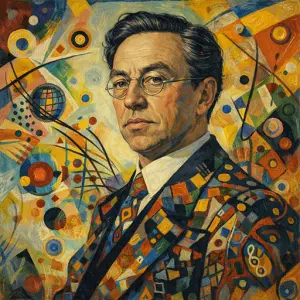
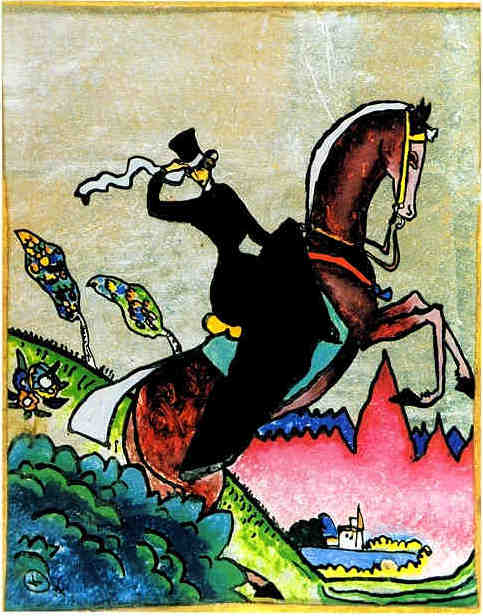
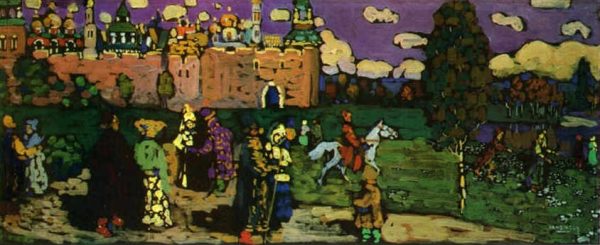
A pioneer who fundamentally changed the course of art, Wassily Kandinsky (1866–1944) believed that color and form could communicate as directly as music — and his groundbreaking paintings proved it. His groundbreaking belief that color and form could communicate directly — like music — without representing recognizable objects led to some of the most revolutionary paintings of the twentieth century.
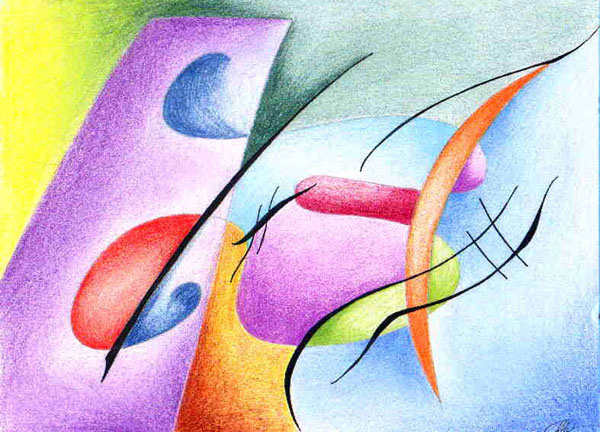
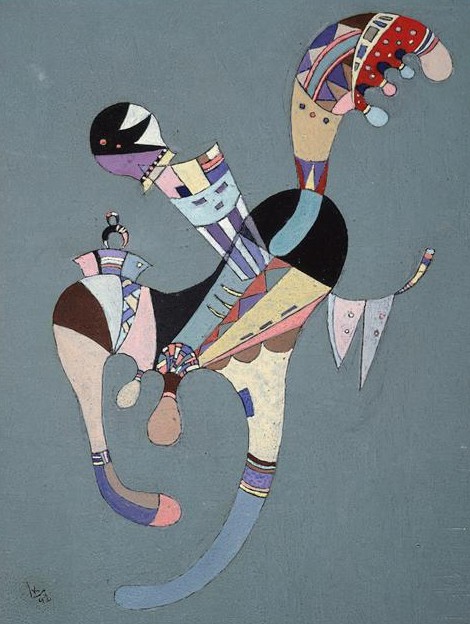
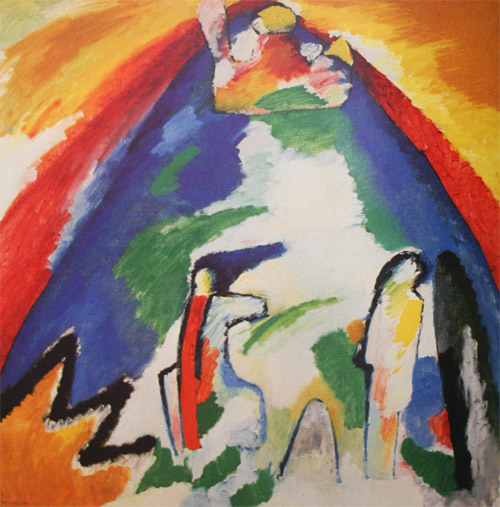
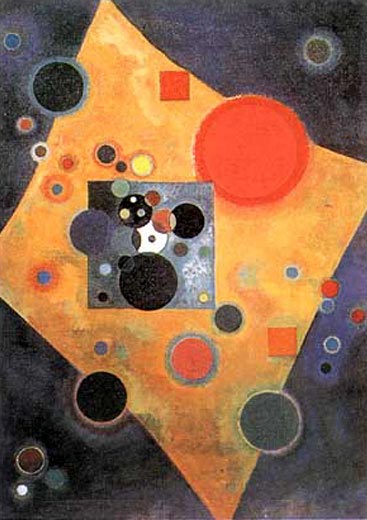
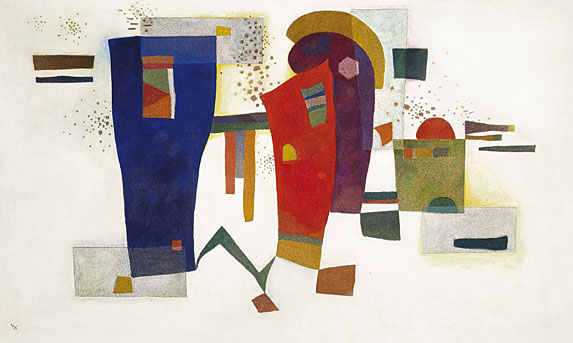
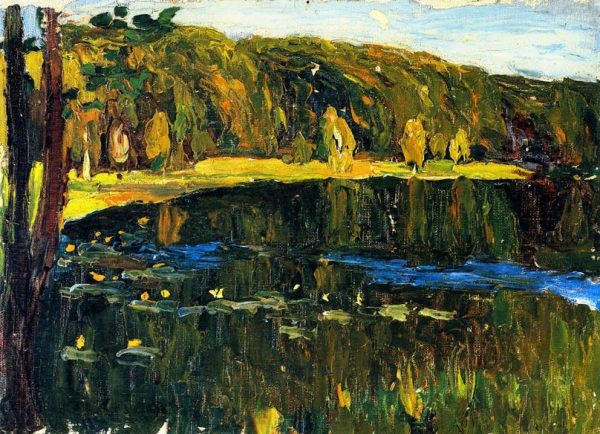
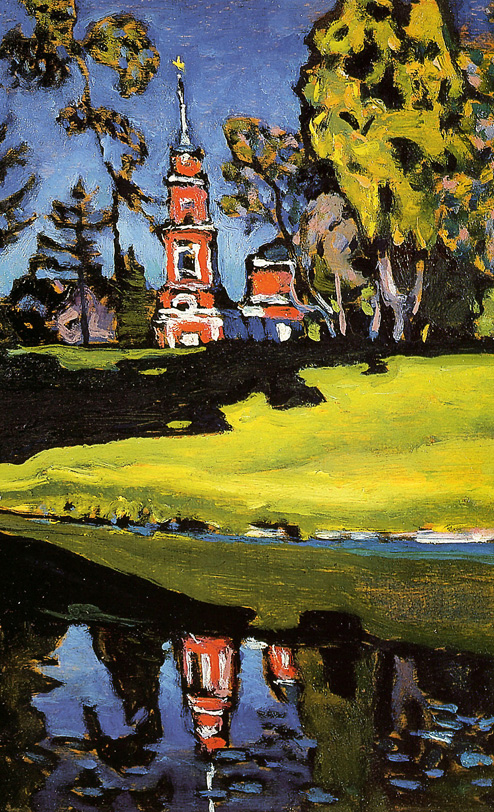
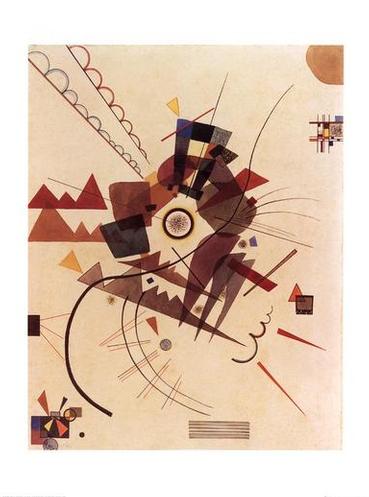
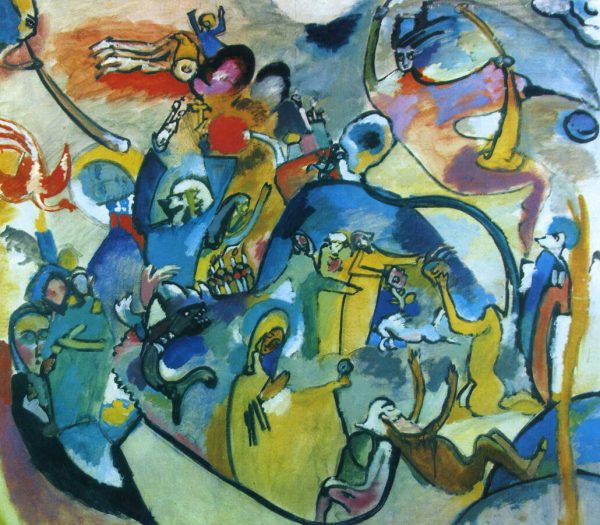
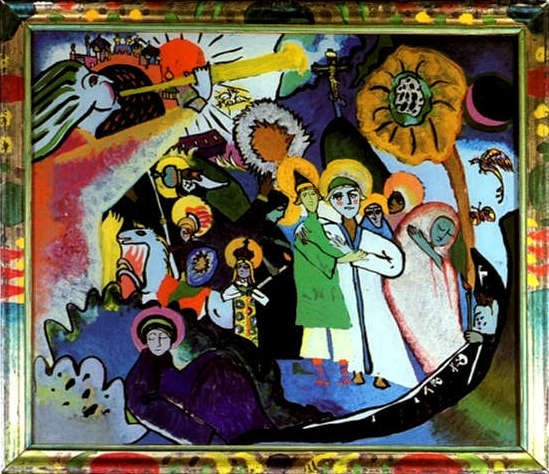
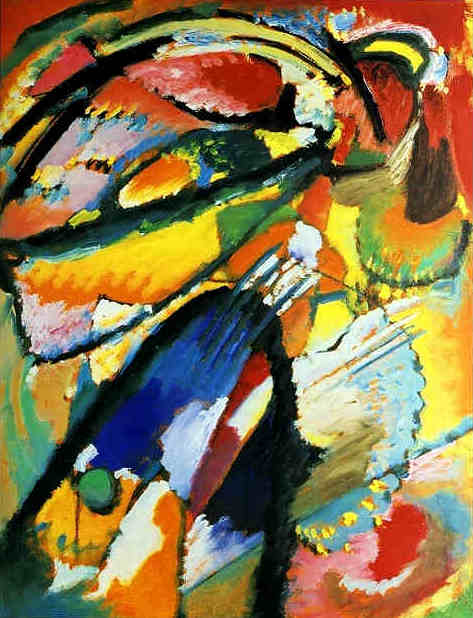
Kandinsky paintings evolved from early lyrical landscapes through the explosive abstractions of the Blue Rider period to the precise geometric compositions of his Bauhaus years. His masterworks — Composition VIII, Several Circles, Yellow-Red-Blue, and On White II — explore the spiritual and emotional power of abstract art through dynamic arrangements of line, shape, and vibrant color.
Kandinsky’s theoretical writings, particularly Concerning the Spiritual in Art, remain foundational texts of modern art theory, influencing generations of abstract painters. His visionary approach to Expressionist and abstract oil painting opened entirely new possibilities for artistic expression. Hand-painted Kandinsky oil painting reproductions bring the bold colors, dynamic compositions, and spiritual energy of his abstract masterworks into contemporary living spaces.
Compare subject, palette and orientation across the available works, then choose the painting whose atmosphere fits the room rather than selecting by fame alone.
Open the paintings above and compare the dominant figure, landscape or interior, the direction of light and the amount of open space around the focal subject.
Explore Expressionism to compare Wassily Kandinsky with painters who shared related ideas, techniques or historical influences.
Use the proportions of the original composition when selecting a size. Framing and gallery-wrap options appear on each artwork page, and custom dimensions are available.
Practical guidance for exploring the artist and ordering a hand-painted oil reproduction.
The historical originals remain with their owners or museums. ByMuseum creates a new, made-to-order oil reproduction of the selected composition.
No. A trained painter rebuilds the image with oil paint on artist canvas, preserving visible brushwork, layered colour and surface variation.
Yes. Choose a listed dimension or contact ByMuseum when your wall requires a custom size that keeps the painting’s original proportions.
Use the movement and related-artist links on this page, or browse the complete artists A–Z directory.
Each painting is inspected and carefully packed. Available rolled, gallery-wrapped and framed presentations are shown with the artwork options.
Browse curated painting collections, compare art movements, or visit the complete painting shop.