Loading cart…
No products in the cart.

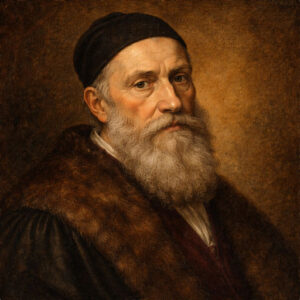
The greatest colorist of the Renaissance and one of the most influential painters in Western history, Tiziano Vecellio — known as Titian (c.1488–1576) — transformed the possibilities of oil painting across six extraordinary decades. Over a career spanning more than six decades, Titian transformed the possibilities of oil painting through his mastery of rich, glowing color and increasingly bold, expressive brushwork.
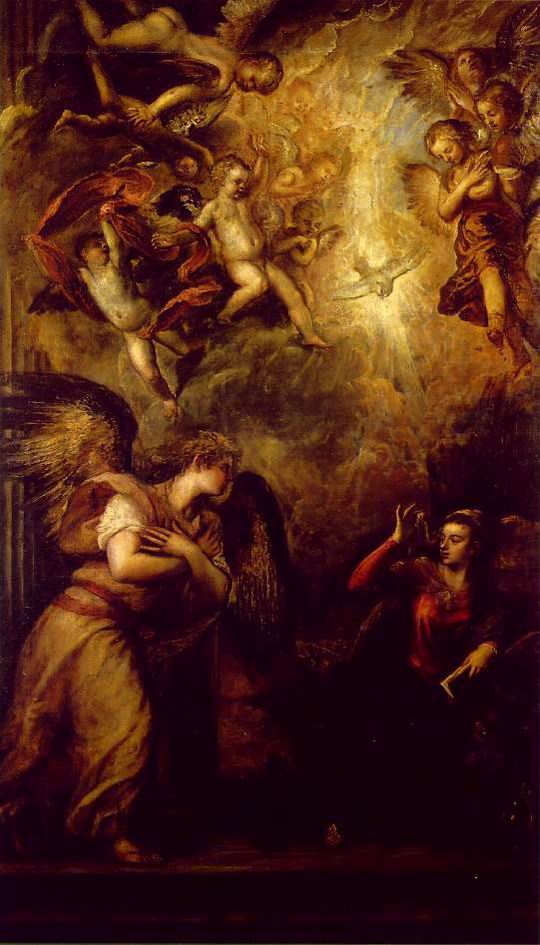
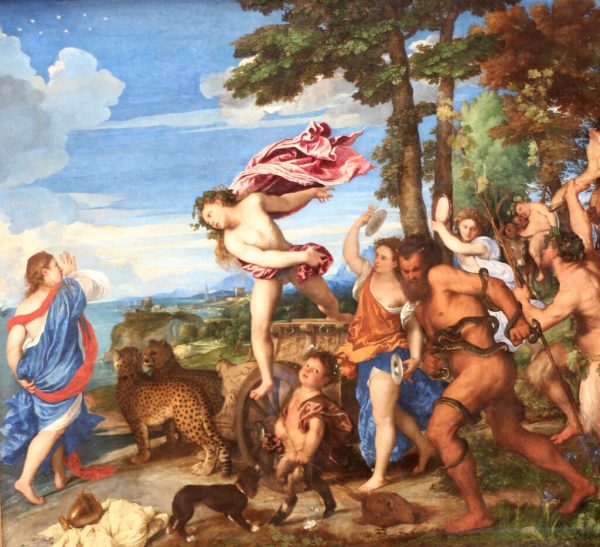
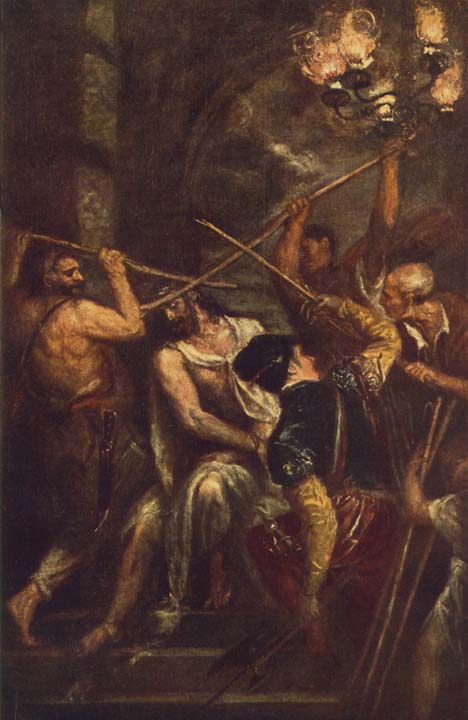
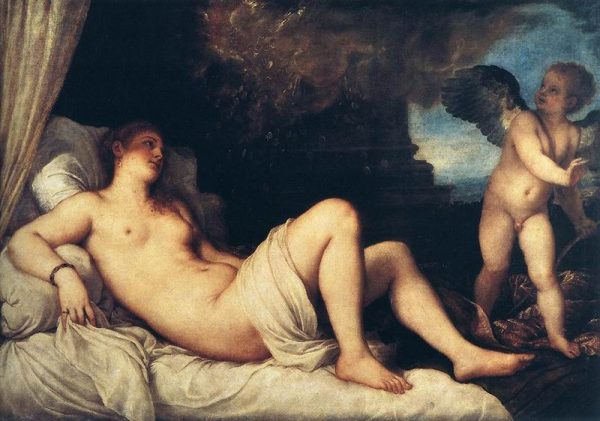
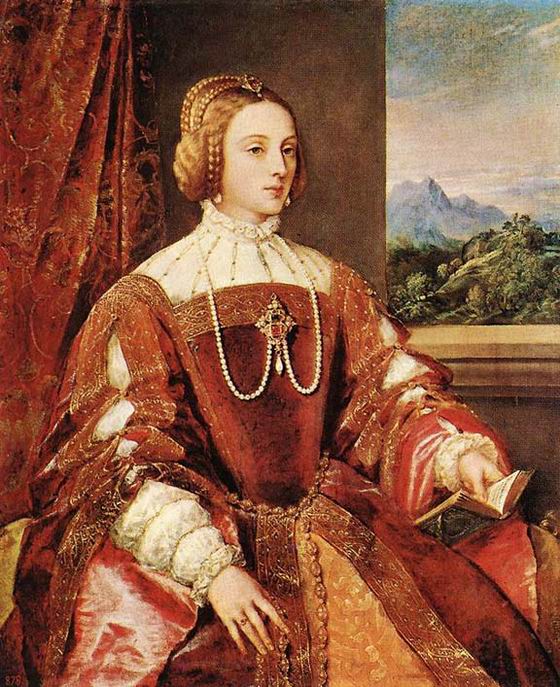
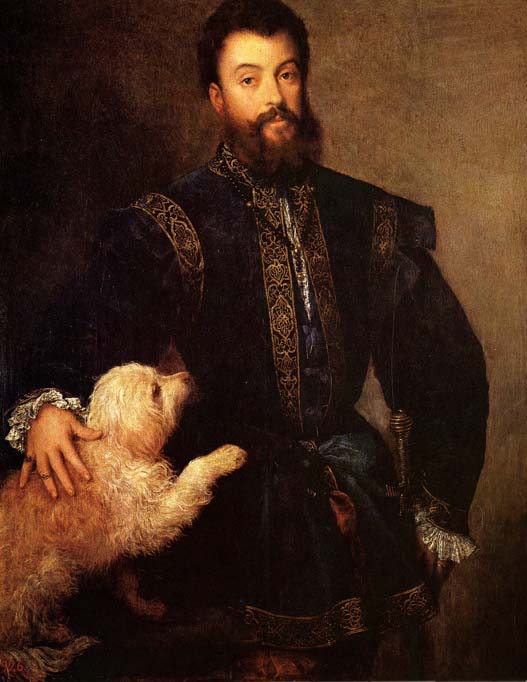
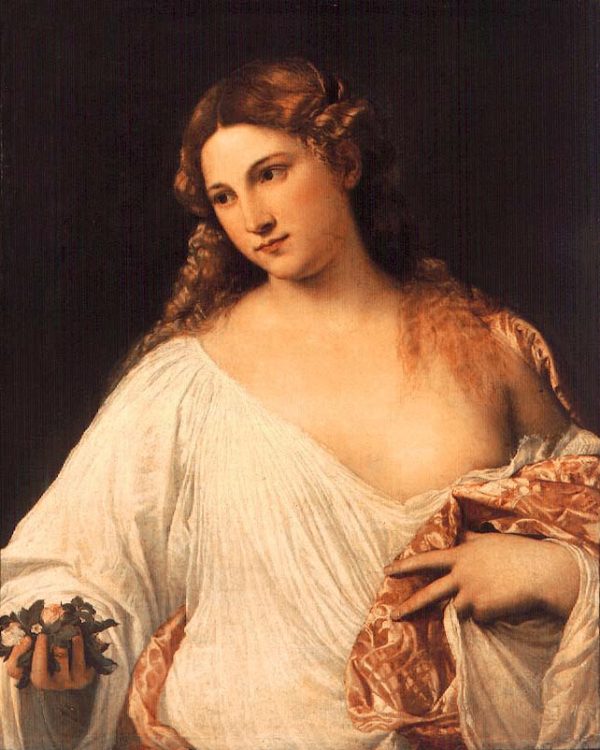
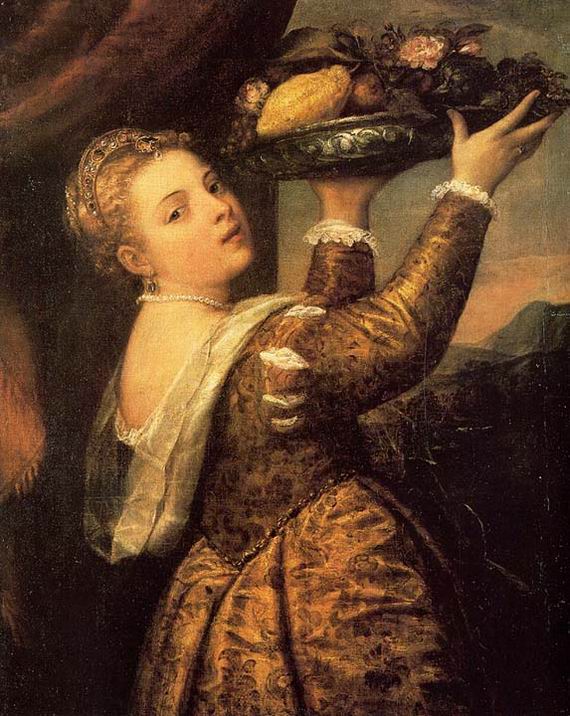
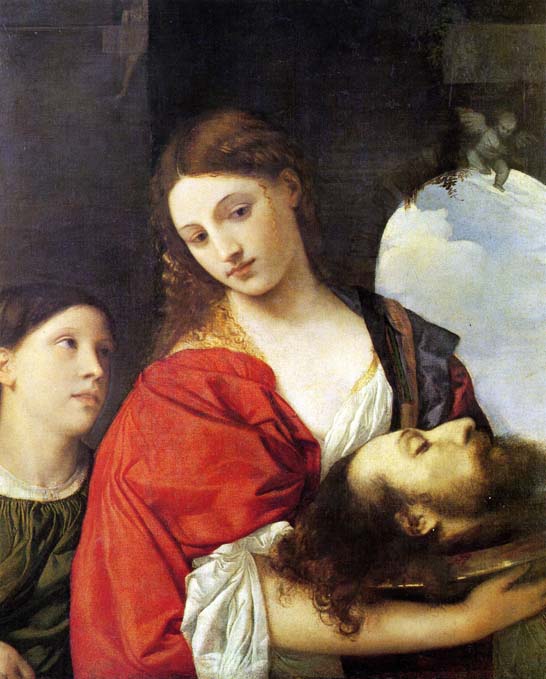
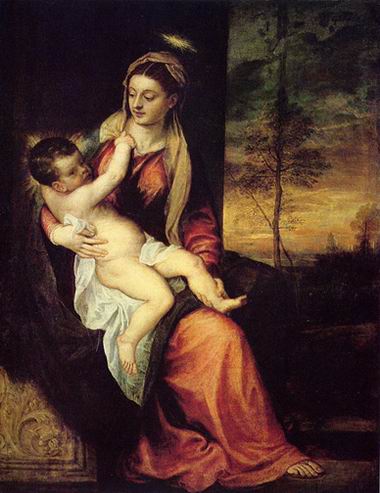
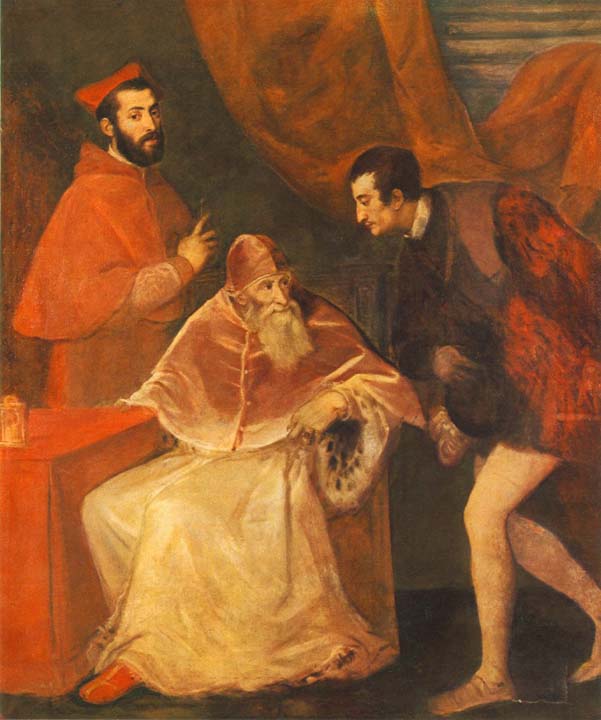
Titian paintings encompass portraiture, mythology, religious scenes, and landscapes, all rendered with sensuous vitality and psychological depth. His masterworks — Venus of Urbino, Bacchus and Ariadne, Assumption of the Virgin, and Diana and Actaeon — demonstrate an unparalleled ability to imbue oil paint with warmth, movement, and life. His late paintings, with their loose, almost abstract brushwork, anticipated developments not fully explored until the nineteenth century.
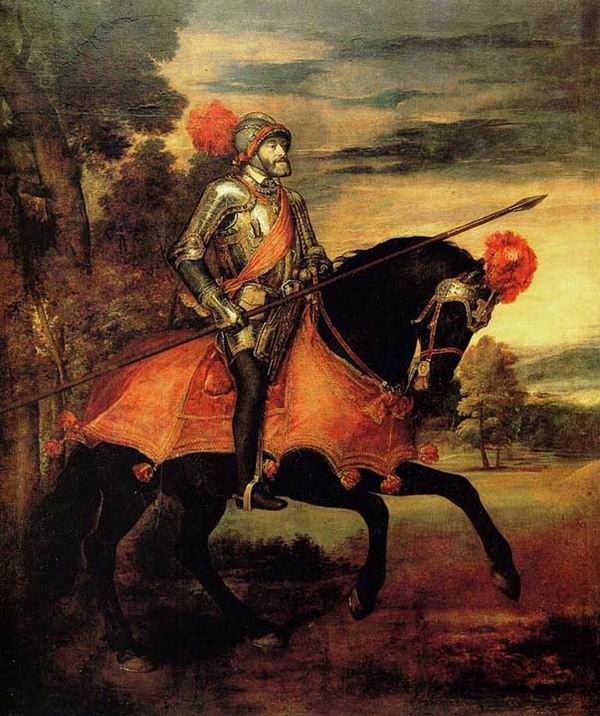
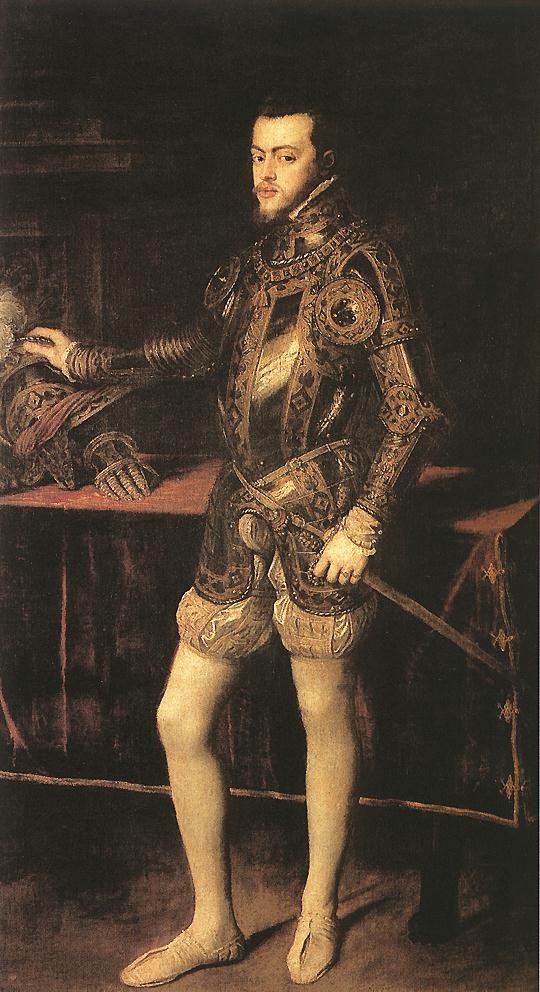
As court painter to Emperor Charles V and Philip II of Spain, Titian’s influence extended across Europe through Rubens, Velázquez, and Delacroix. Hand-painted Titian oil painting reproductions bring the rich Venetian color, luminous flesh tones, and masterful compositions of Renaissance art to life with the depth and warmth that only traditional oil technique can achieve.
Compare subject, palette and orientation across the available works, then choose the painting whose atmosphere fits the room rather than selecting by fame alone.
Open the paintings above and compare the dominant figure, landscape or interior, the direction of light and the amount of open space around the focal subject.
Explore Renaissance to compare Titian with painters who shared related ideas, techniques or historical influences.
Use the proportions of the original composition when selecting a size. Framing and gallery-wrap options appear on each artwork page, and custom dimensions are available.
Practical guidance for exploring the artist and ordering a hand-painted oil reproduction.
The historical originals remain with their owners or museums. ByMuseum creates a new, made-to-order oil reproduction of the selected composition.
No. A trained painter rebuilds the image with oil paint on artist canvas, preserving visible brushwork, layered colour and surface variation.
Yes. Choose a listed dimension or contact ByMuseum when your wall requires a custom size that keeps the painting’s original proportions.
Use the movement and related-artist links on this page, or browse the complete artists A–Z directory.
Each painting is inspected and carefully packed. Available rolled, gallery-wrapped and framed presentations are shown with the artwork options.
Browse curated painting collections, compare art movements, or visit the complete painting shop.