Loading cart…
No products in the cart.

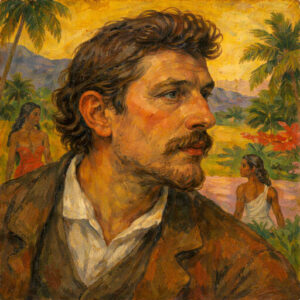
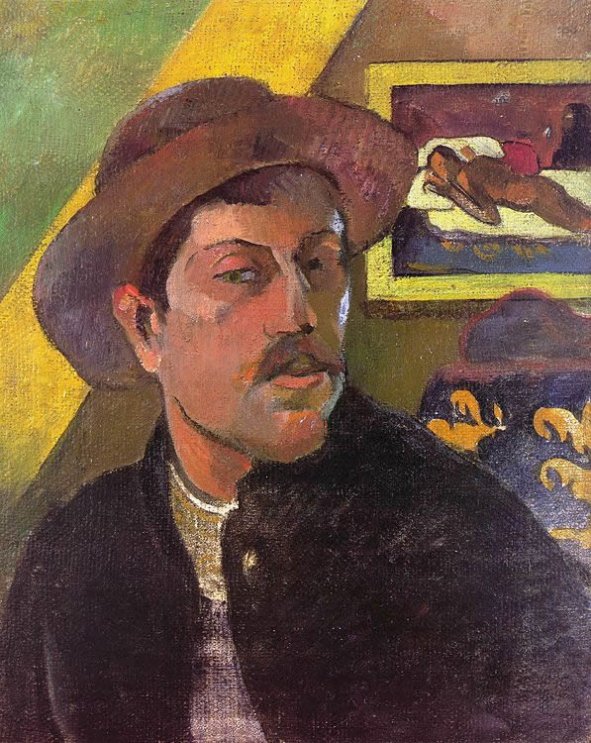
Driven by a restless search for authenticity far from European civilization, Paul Gauguin (1848–1903) abandoned a career in finance to pursue bold, symbolic painting in Brittany and the South Pacific — profoundly shaping the course of modern art. Abandoning a career in finance, Gauguin devoted himself to painting and sought primal inspiration in Brittany, Tahiti, and the Marquesas Islands.
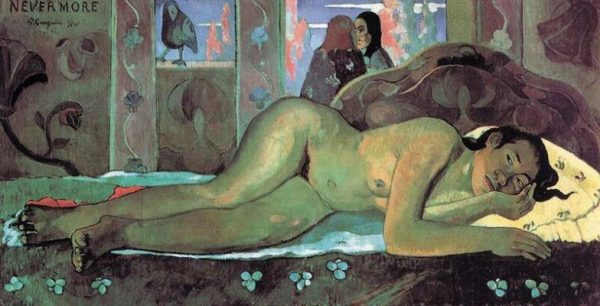
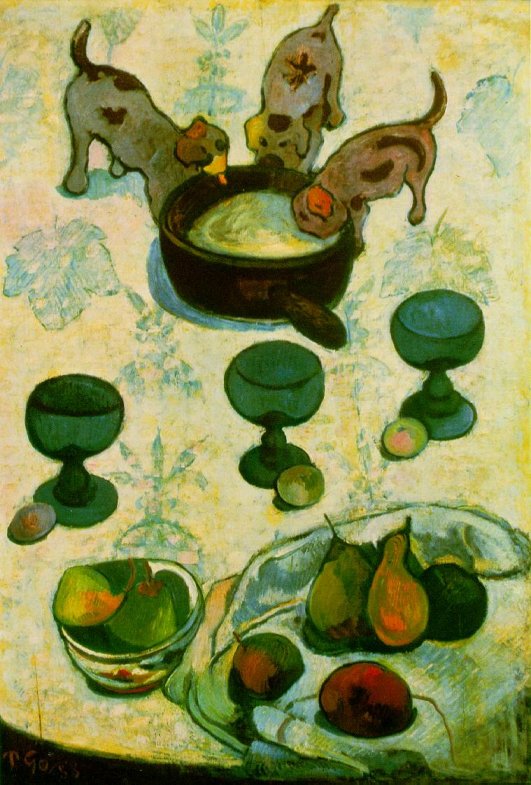
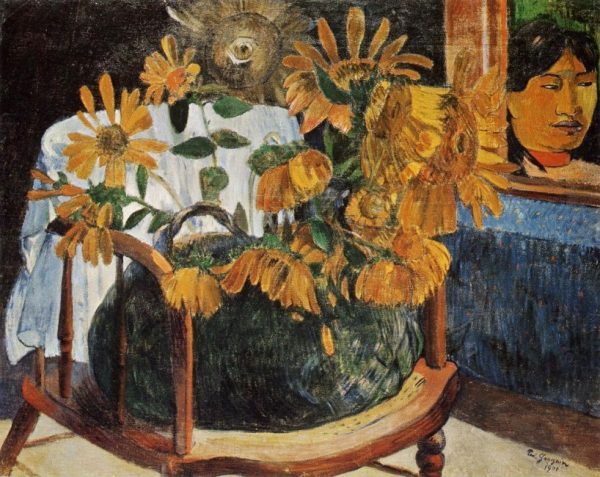
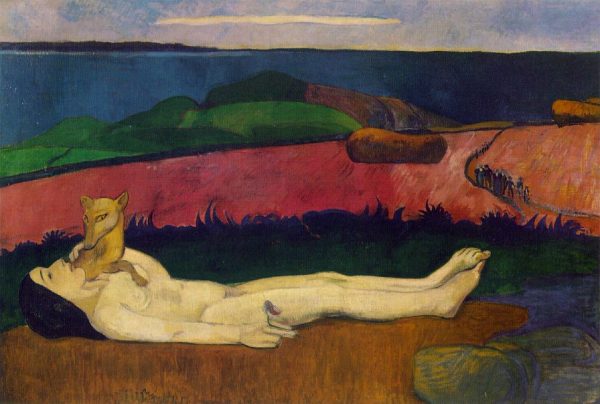
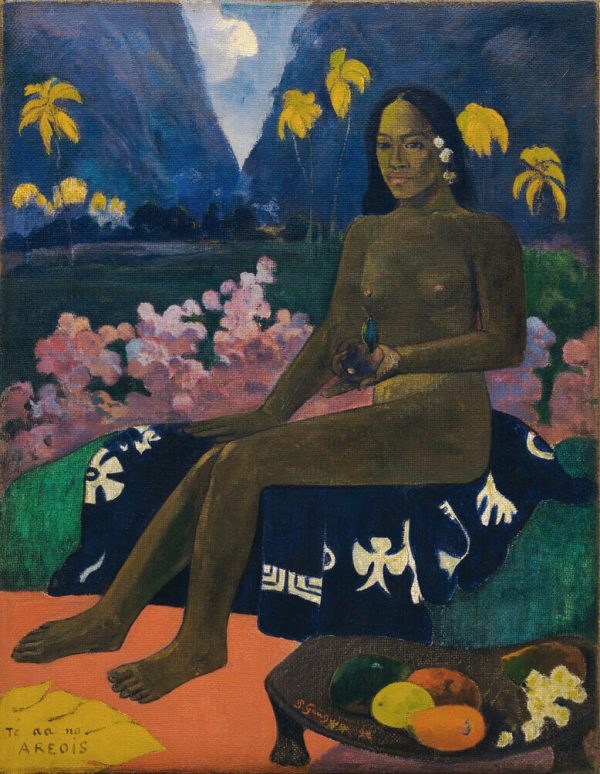
Gauguin paintings are distinguished by vivid flat areas of color, dark outlines, and symbolic imagery drawn from Polynesian mythology and non-Western cultures. His masterworks — Where Do We Come From?, Vision After the Sermon, The Yellow Christ, and Spirit of the Dead Watching — combine decorative beauty with philosophical depth, questioning the foundations of Western art and civilization.
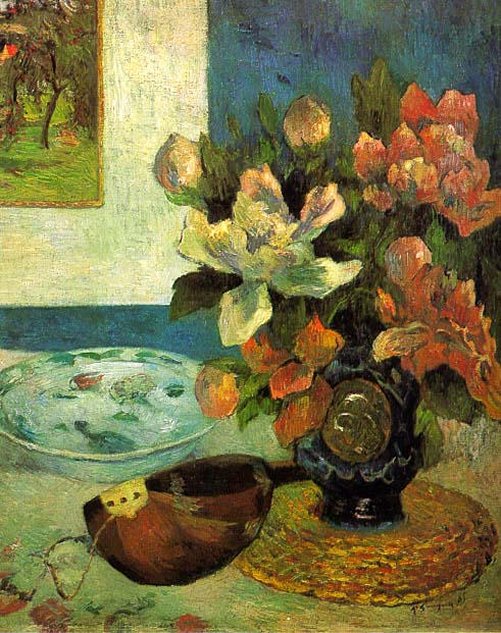
Gauguin’s Synthetist approach profoundly influenced Fauvism, Expressionism, and the broader development of modern art. Hand-painted Paul Gauguin oil painting reproductions capture the bold tropical colors, expressive simplification, and exotic beauty of his Post-Impressionist masterpieces — bringing the adventurous spirit of his revolutionary art into contemporary spaces.
Compare subject, palette and orientation across the available works, then choose the painting whose atmosphere fits the room rather than selecting by fame alone.
Open the paintings above and compare the dominant figure, landscape or interior, the direction of light and the amount of open space around the focal subject.
Explore Post-Impressionism to compare Paul Gauguin with painters who shared related ideas, techniques or historical influences.
Use the proportions of the original composition when selecting a size. Framing and gallery-wrap options appear on each artwork page, and custom dimensions are available.
Practical guidance for exploring the artist and ordering a hand-painted oil reproduction.
The historical originals remain with their owners or museums. ByMuseum creates a new, made-to-order oil reproduction of the selected composition.
No. A trained painter rebuilds the image with oil paint on artist canvas, preserving visible brushwork, layered colour and surface variation.
Yes. Choose a listed dimension or contact ByMuseum when your wall requires a custom size that keeps the painting’s original proportions.
Use the movement and related-artist links on this page, or browse the complete artists A–Z directory.
Each painting is inspected and carefully packed. Available rolled, gallery-wrapped and framed presentations are shown with the artwork options.
Browse curated painting collections, compare art movements, or visit the complete painting shop.