Loading cart…
No products in the cart.

Original price was: $518.00.$299.00Current price is: $299.00.
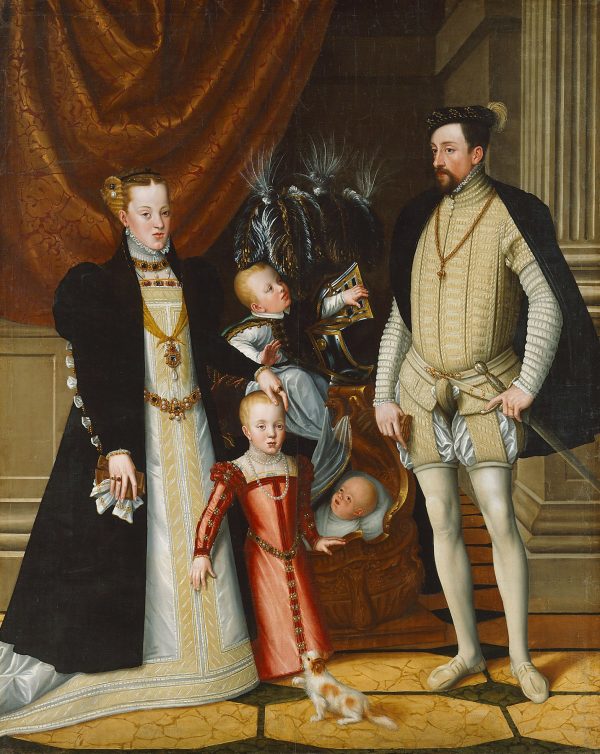
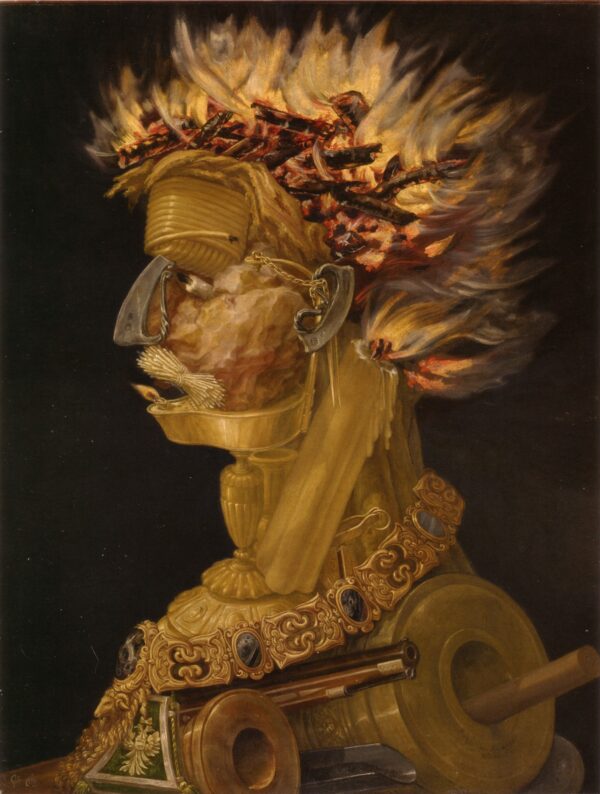
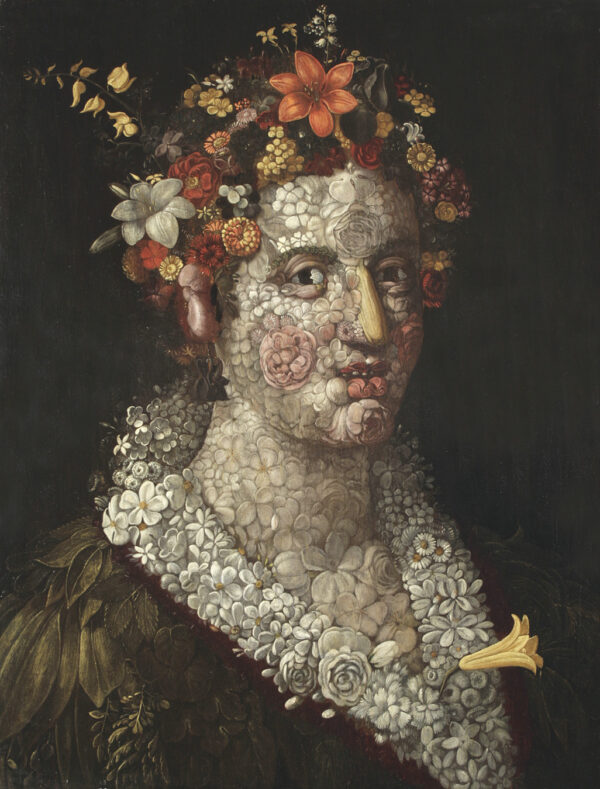
A composite portrait of fruit and flower resolving into an emperor and his family, this hand-painted reproduction of the Arcimboldo allegory brings its strange precision to any wall.
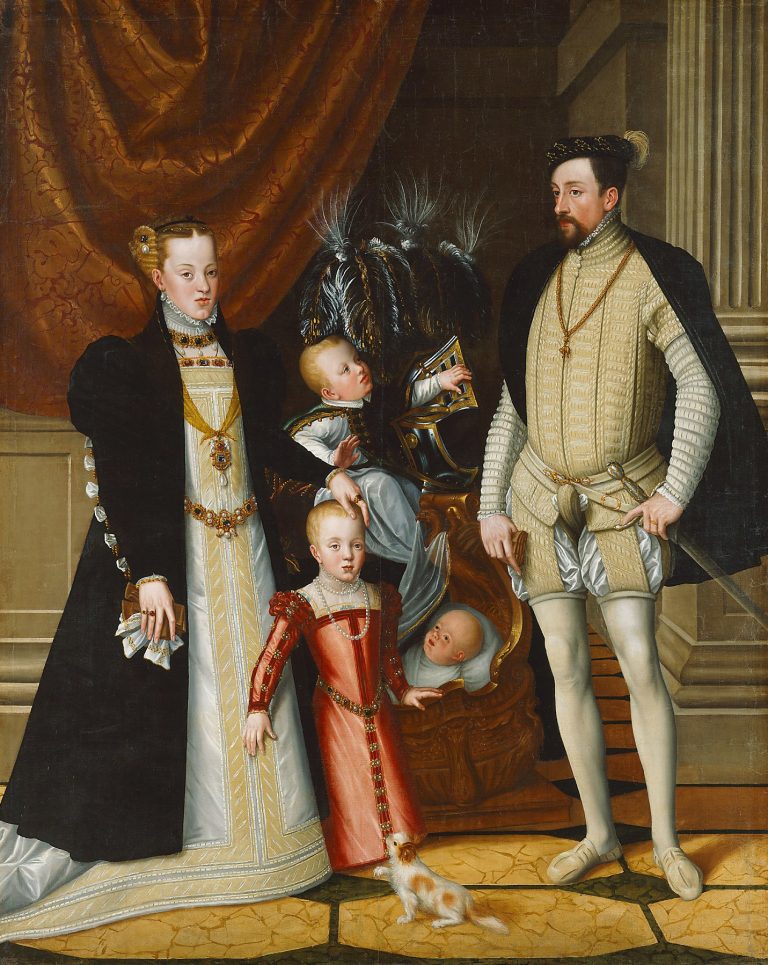
A room that holds this portrait takes on a slightly theatrical air, the kind of space where guests pause and look twice. Composed almost entirely of fruit, flowers, and grain arranged into a human likeness, it suits a study, a library, or any wall where wit and craftsmanship are meant to be noticed together rather than passed by.
The painting reassembles the Habsburg ruler and his family through an allegory of the seasons, each face built from the produce of a particular time of year: blossoms for spring, wheat and grapes for summer and autumn, bare branches for winter. This was court portraiture turned into riddle, a visual game that flattered the sitters as embodiments of natural abundance and dynastic continuity while showing off the inventive skill of the painter. Arcimboldo developed this composite technique over decades in the service of the Habsburg court, and by the time he arrived at this particular arrangement his handling of texture and light had grown remarkably assured: the sheen on a grape, the papery curl of a dried leaf, the soft give of a peach, all rendered with enough conviction that the illusion of a face holds even as the eye catches every individual object.
The light in the composition falls unevenly across the assembled forms, picking out the ripest fruit and letting the darker foliage recede, which is part of how the double image works: step back and a portrait resolves, step closer and the still life reasserts itself. That oscillation between whole and parts is the real subject of the picture, more than any single sitter, and it rewards long looking rather than a quick glance.
Bringing that oscillation into a hand-painted oil painting reproduction means paying close attention to exactly those transitions, the place where a plum stops being fruit and becomes a cheek, the point where light turns a cluster of grapes into hair. Our painters work in oil on canvas, matching the palette Arcimboldo used and preserving the worked edges and layered colour that give the objects their odd, convincing solidity, so the surface reads as painted rather than printed, with visible brushwork and the texture of real pigment rather than a flat reproduction. The intention is a museum quality reproduction that keeps the joke and the craft intact together, not one at the expense of the other.
What is carried across is not only the arrangement of fruit and flower but the specific way each form catches light and sits against its neighbour, since the whole likeness depends on that precision. A version that softened those transitions would lose the portrait; one that copies them faithfully keeps both readings alive, the face and the harvest, at once.
Empty walls flatten a room. A classical artwork restores structure and visual hierarchy. One painting defines the space, anchors furniture, and establishes identity.
Worldwide shipping included. Each painting is produced to order and safely packed for international transport.
All payments are encrypted and processed through trusted payment providers.
Real brushwork, layered oil paint, and durable pigments on museum-quality canvas.
If the result does not meet expectations, return it for a full refund.


Your artwork is painted on premium cotton canvas, then shipped safely rolled in a rigid tube with extra blank canvas border — ready for stretching or framing locally.
Select a handcrafted frame and we’ll deliver your painting fully assembled, protected, and ready to hang.
For safe shipping, framing is available up to a maximum size. Larger sizes will automatically disable the frame option.


Choose “Stretched” to receive your canvas mounted on wooden stretcher bars — perfect if you’ll frame it later or display it as-is.
Gallery Wrap is a deeper, 1.5" style stretcher. The canvas wraps around the sides and is stapled on the back for a clean, modern, frameless look.
We ship with UPS, FedEx, or DHL straight to your door. You’ll receive a tracking number as soon as your order leaves our studio. Typical delivery is 5 to 7 days after dispatch; large, framed, or stretched pieces may take longer depending on the safest shipping route.


Unframed canvases are protected with a film, carefully rolled, and secured inside a rigid shipping tube.

Stretched, Gallery Wrapped, and Framed paintings are wrapped, cushioned with foam protection, and boxed for safe transit.