Loading cart…
No products in the cart.

Original price was: $599.00.$299.00Current price is: $299.00.
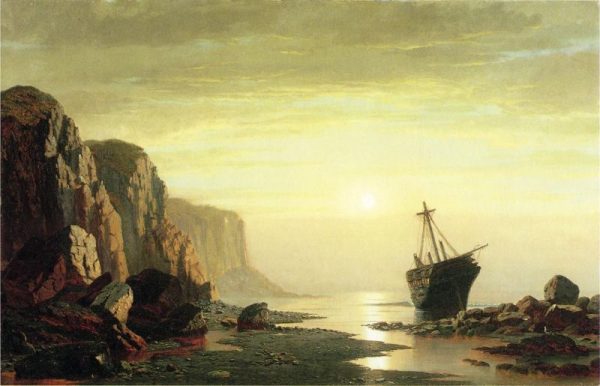
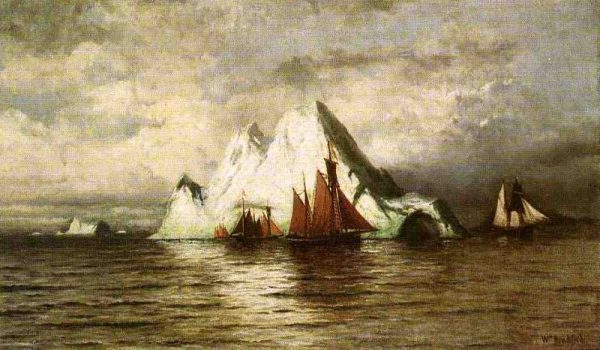
The Coast of Labrador by William Bradford, hand-painted in oil on canvas with the layered tone and quiet detail that made his Arctic scenes distinctive.
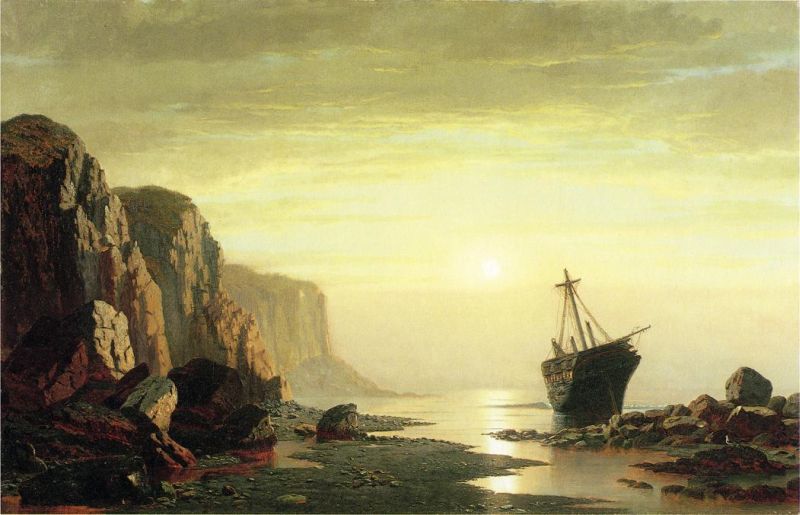
Arctic marine painting drew serious attention in the nineteenth century for its unfamiliarity, and The Coast of Labrador has held its place in that tradition as an image that rewards patient looking rather than quick recognition. Collectors and curators who return to it tend to describe the same experience: a first impression of stillness that gives way, on closer study, to a surprising amount of incident held within a restrained range of tone.
That effect comes directly from the choices Bradford made on the canvas. The composition sets ice, water, and sky against one another in careful proportion, so that no single element overwhelms the rest, and the eye is guided across the scene by shifts in scale rather than by incident or narrative detail. Bradford, who spent long periods sketching along the northern coasts he painted, brings a working knowledge of that light to the picture: cold, low, and often diffused through haze, it flattens some passages while sharpening the edges of others. The result is an atmosphere built from observation rather than invention, characteristic of his mature work in the years when Arctic subjects had become central to his practice.
Within that atmosphere, the handling of surface carries much of the meaning. Broader passages of sky and water are laid in with a quieter touch, while the ice forms and their reflected light receive closer, more deliberate attention, so the painting alternates between calm and detail in a way that keeps the composition open without losing focus. A fine art reproduction of this kind depends on recognising that rhythm and following it by hand rather than flattening it into a single uniform surface. This oil painting reproduction is built up in layered paint on canvas by a trained artist, matching the original palette while preserving the variation in brushwork that gives the ice its structure and the water its depth, so the finished piece carries genuine texture rather than a printed likeness.
Hung where daylight reaches it gradually, over a mantel or along a hallway that catches morning light, the painting settles into a room quietly, its cool tones and open spaces suited to a wall that need not compete for attention. Over the course of a day its greys and blues shift subtly with the changing light, lending the space a steady, contemplative mood rather than a dramatic one.
Empty walls flatten a room. A classical artwork restores structure and visual hierarchy. One painting defines the space, anchors furniture, and establishes identity.
Worldwide shipping included. Each painting is produced to order and safely packed for international transport.
All payments are encrypted and processed through trusted payment providers.
Real brushwork, layered oil paint, and durable pigments on museum-quality canvas.
If the result does not meet expectations, return it for a full refund.


Your artwork is painted on premium cotton canvas, then shipped safely rolled in a rigid tube with extra blank canvas border — ready for stretching or framing locally.
Select a handcrafted frame and we’ll deliver your painting fully assembled, protected, and ready to hang.
For safe shipping, framing is available up to a maximum size. Larger sizes will automatically disable the frame option.


Choose “Stretched” to receive your canvas mounted on wooden stretcher bars — perfect if you’ll frame it later or display it as-is.
Gallery Wrap is a deeper, 1.5" style stretcher. The canvas wraps around the sides and is stapled on the back for a clean, modern, frameless look.
We ship with UPS, FedEx, or DHL straight to your door. You’ll receive a tracking number as soon as your order leaves our studio. Typical delivery is 5 to 7 days after dispatch; large, framed, or stretched pieces may take longer depending on the safest shipping route.


Unframed canvases are protected with a film, carefully rolled, and secured inside a rigid shipping tube.

Stretched, Gallery Wrapped, and Framed paintings are wrapped, cushioned with foam protection, and boxed for safe transit.