Loading cart…
No products in the cart.

Original price was: $599.00.$299.00Current price is: $299.00.
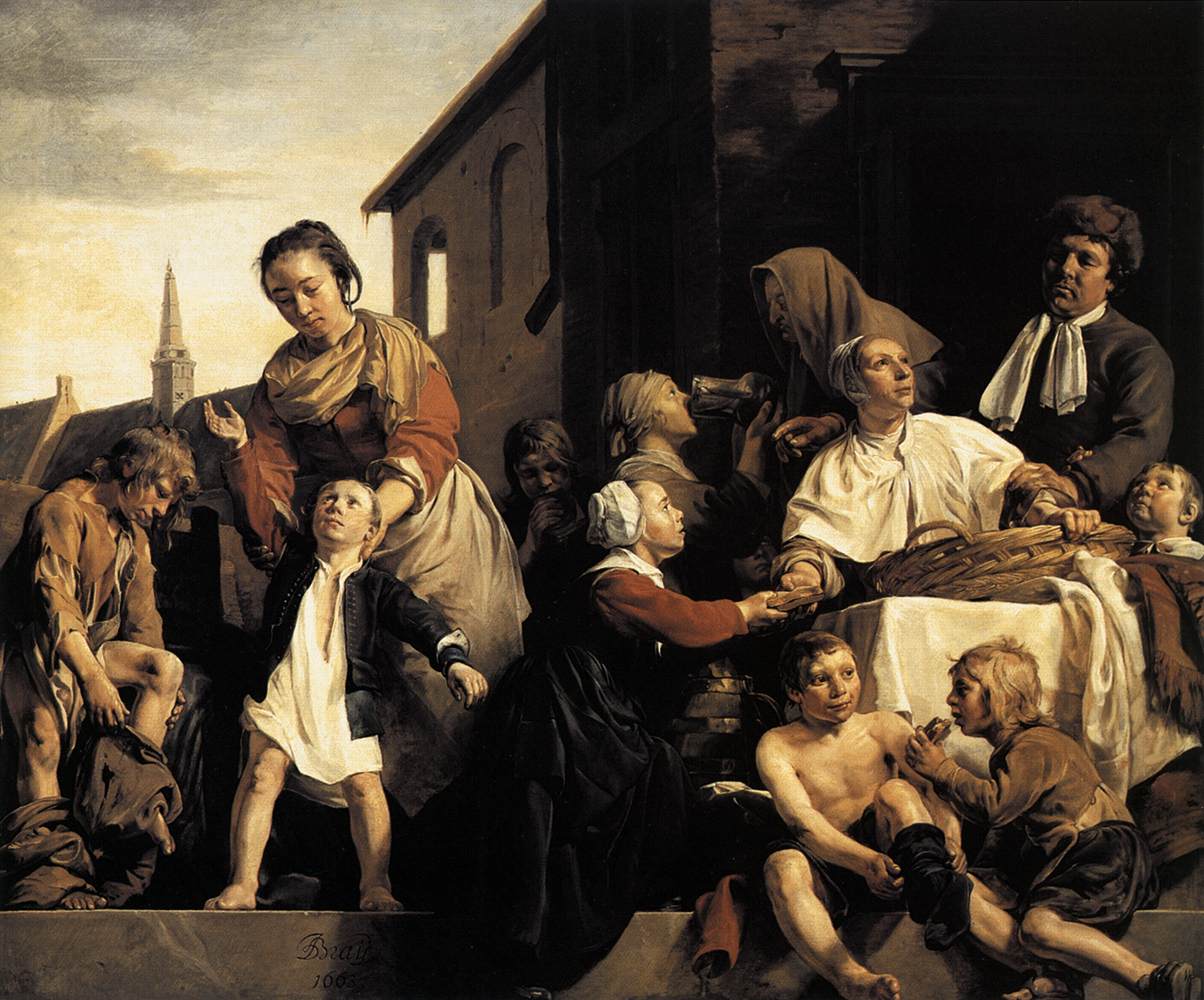
Bring the quiet gravity of Tending Children at the Orphanage in Haarlem by Jan De Bray into your home with a hand-painted oil reproduction that preserves its tone, light, and brushwork.
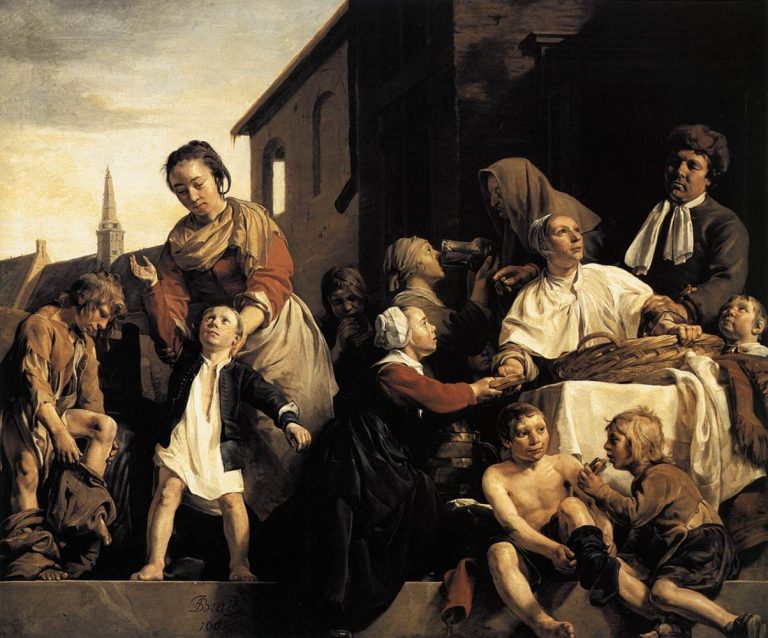
A room gains a certain gravity when this scene hangs in it. Tending Children at the Orphanage in Haarlem sets a tone of quiet civic warmth, the kind of picture that suits a reading room, a study, or any wall where a viewer is meant to linger rather than glance. Its subdued palette and steady composition make it a natural fit for spaces that favour restraint over spectacle.
The painting belongs to a Dutch tradition of group portraiture in which charitable institutions commissioned artists to record the figures responsible for their care of orphaned children, and the picture reads as both a document and a considered arrangement of human presence. Figures are distributed across the canvas with a deliberate sense of hierarchy and interaction, the eye moving from the central grouping outward to quieter passages of shadow and architecture. Light falls unevenly across faces and fabric, picking out the textures of linen and dark wool while leaving the background to recede into a warm, controlled dimness.
Working within the Baroque conventions of his era, the artist balances individual likeness against collective composition, a task that required both technical control and a feel for social nuance. The handling of flesh tones and the modelling of drapery show a painter attentive to volume and weight rather than surface flourish, and the restrained colour range, dominated by browns, blacks, and muted whites, reflects the sober character expected of institutional portraiture in Haarlem at the time. Jan De Bray was working within a well-established local school, and this composition reflects the discipline that tradition demanded of him.
A hand-painted oil painting reproduction of this work is built to preserve exactly these qualities: the tonal restraint, the precise fall of light across each face, and the layered application of pigment that gives the original its physical depth. Painted by hand on artist-grade canvas rather than produced as an oil on canvas reproduction pulled from a printer, each version carries visible brushwork and the slight variation in texture that comes from a trained painter working passage by passage. For a buyer attentive to surface and condition, this distinction matters: the raised ridges of paint, the subtle shifts in stroke direction, and the depth of colour built up in layers are the same physical qualities that would be examined in the original, not features that can be replicated by mechanical means.
Empty walls flatten a room. A classical artwork restores structure and visual hierarchy. One painting defines the space, anchors furniture, and establishes identity.
Worldwide shipping included. Each painting is produced to order and safely packed for international transport.
All payments are encrypted and processed through trusted payment providers.
Real brushwork, layered oil paint, and durable pigments on museum-quality canvas.
If the result does not meet expectations, return it for a full refund.


Your artwork is painted on premium cotton canvas, then shipped safely rolled in a rigid tube with extra blank canvas border — ready for stretching or framing locally.
Select a handcrafted frame and we’ll deliver your painting fully assembled, protected, and ready to hang.
For safe shipping, framing is available up to a maximum size. Larger sizes will automatically disable the frame option.


Choose “Stretched” to receive your canvas mounted on wooden stretcher bars — perfect if you’ll frame it later or display it as-is.
Gallery Wrap is a deeper, 1.5" style stretcher. The canvas wraps around the sides and is stapled on the back for a clean, modern, frameless look.
We ship with UPS, FedEx, or DHL straight to your door. You’ll receive a tracking number as soon as your order leaves our studio. Typical delivery is 5 to 7 days after dispatch; large, framed, or stretched pieces may take longer depending on the safest shipping route.


Unframed canvases are protected with a film, carefully rolled, and secured inside a rigid shipping tube.

Stretched, Gallery Wrapped, and Framed paintings are wrapped, cushioned with foam protection, and boxed for safe transit.