Loading cart…
No products in the cart.

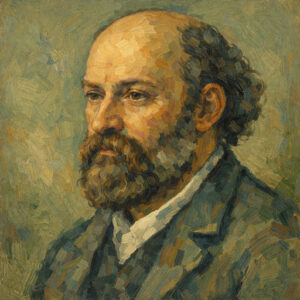
Paul Cezanne (1839-1906) occupies a meaningful position in french art, with paintings that reflect both individual ambition and the cultural setting of Post-Impressionism.
The artist’s career developed through training, studio practice, and the artistic networks of the time, resulting in work that balances structure with atmosphere. Qualities such as geometric simplification of natural forms give many compositions their character. This impression is strengthened by multiple viewpoints creating spatial ambiguity. Well-known examples include *A Modern Olympia* and *Achille Emperaire*, which are often cited when introducing the artist’s work.
The reputation of Paul Cezanne endures through collections, scholarship, and the continuing appeal of paintings that preserve the mood and ambitions of post-impressionism.
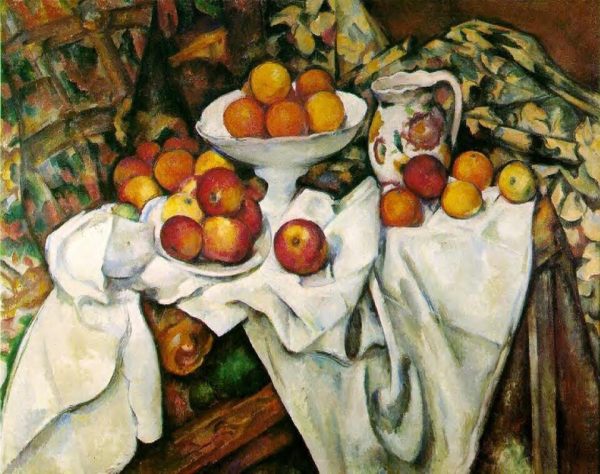
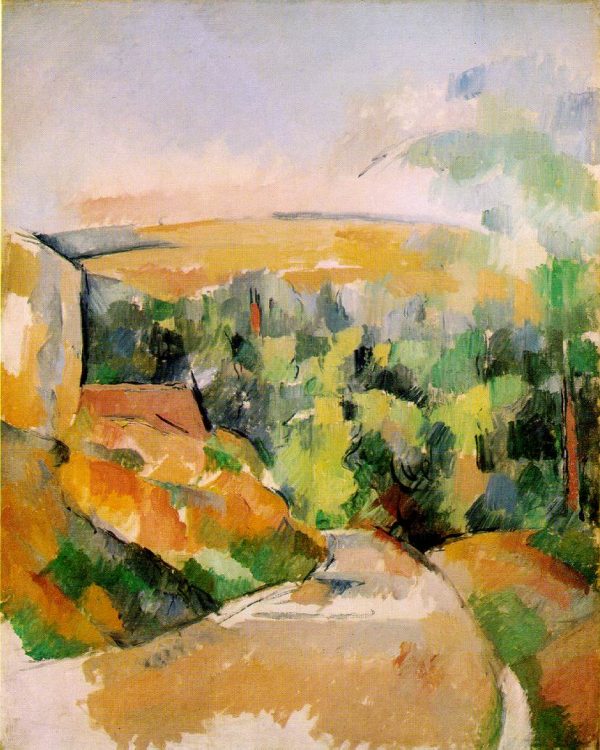
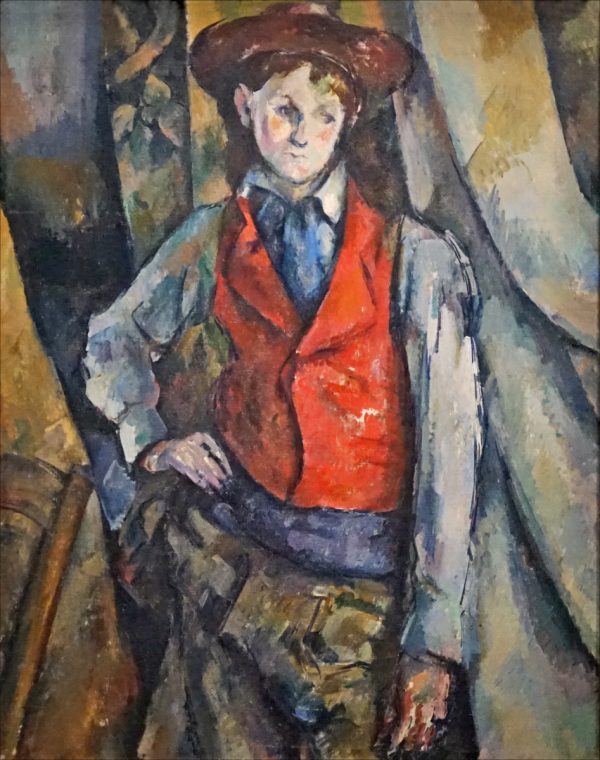
Compare subject, palette and orientation across the available works, then choose the painting whose atmosphere fits the room rather than selecting by fame alone.
Open the paintings above and compare the dominant figure, landscape or interior, the direction of light and the amount of open space around the focal subject.
Explore Post-Impressionism to compare Paul Cezanne with painters who shared related ideas, techniques or historical influences.
Use the proportions of the original composition when selecting a size. Framing and gallery-wrap options appear on each artwork page, and custom dimensions are available.
Practical guidance for exploring the artist and ordering a hand-painted oil reproduction.
The historical originals remain with their owners or museums. ByMuseum creates a new, made-to-order oil reproduction of the selected composition.
No. A trained painter rebuilds the image with oil paint on artist canvas, preserving visible brushwork, layered colour and surface variation.
Yes. Choose a listed dimension or contact ByMuseum when your wall requires a custom size that keeps the painting’s original proportions.
Use the movement and related-artist links on this page, or browse the complete artists A–Z directory.
Each painting is inspected and carefully packed. Available rolled, gallery-wrapped and framed presentations are shown with the artwork options.
Browse curated painting collections, compare art movements, or visit the complete painting shop.