Loading cart…
No products in the cart.

Art Guides · Post-Impressionism
Save articles to your collection
Log in or create a free account, and this article will be waiting in your Private Collection.
Log in or sign upThey were outsiders even among outsiders: a preacher's son who sold almost nothing, a stockbroker who ran away to Tahiti, a count who drew the dancers of Montmartre, a customs clerk who painted jungles he never saw. Today they are some of the most loved painters who ever lived. We ranked the ten famous Post-Impressionist artists people search for most, and for each one we show you three paintings and the story that makes them who they are.
Start with the three names everyone knows, or read the full list below.
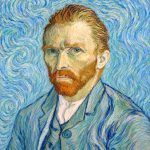
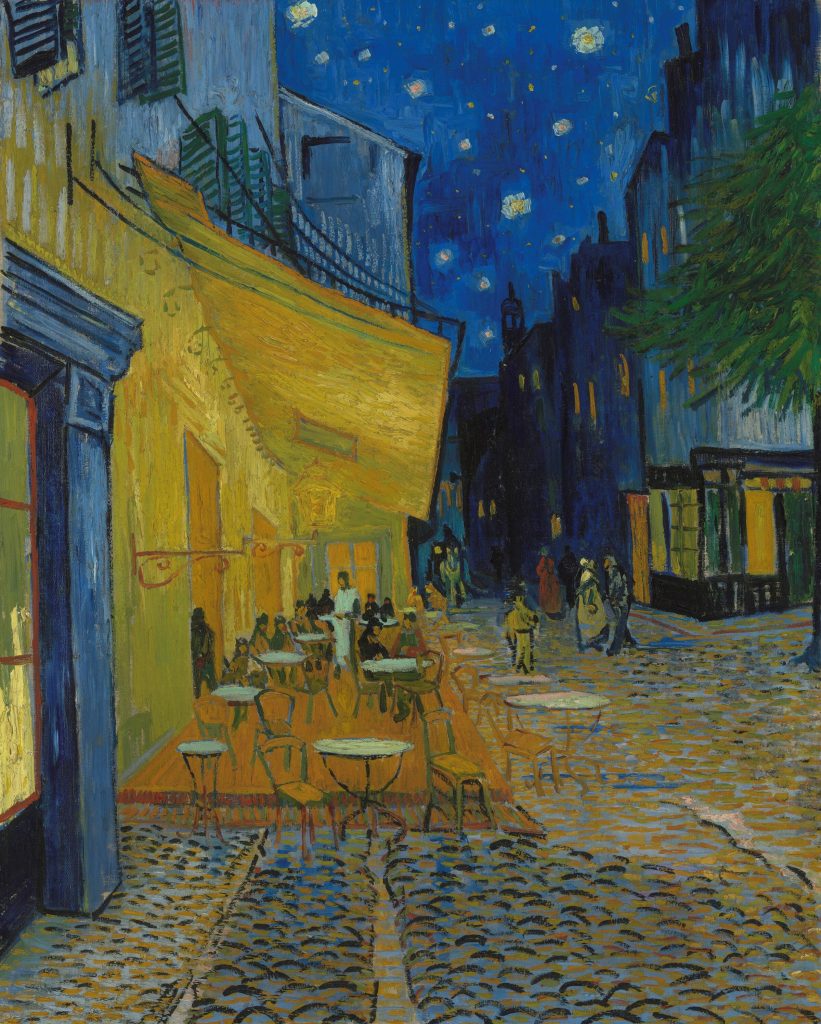
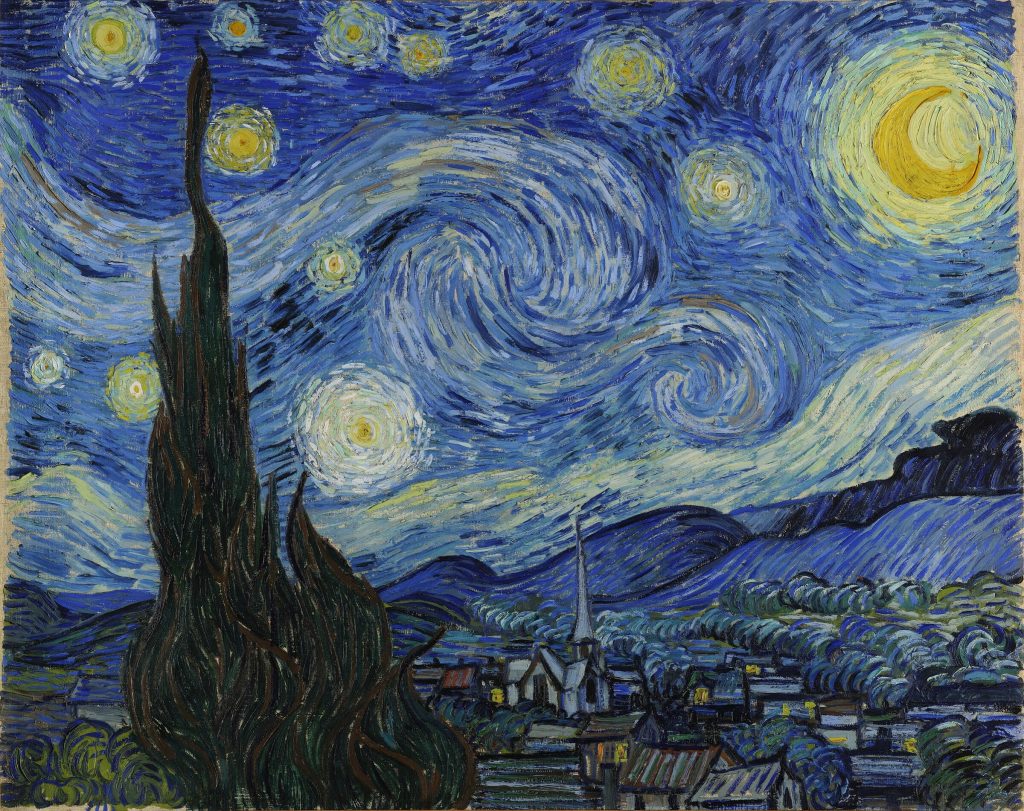
The son of a Dutch pastor, Van Gogh was an art dealer, a teacher and a lay preacher before he started painting at 27. He worked for only about ten years and made around 860 paintings, most of them in the last two years of his life, in the south of France. His brother Theo, an art dealer in Paris, paid his way, and the more than 800 surviving letters between them are one of the great records of how an artist thinks.
He suffered from a mental illness that came in crises, cut off part of his ear in Arles in December 1888, and died in Auvers-sur-Oise in July 1890 at 37, almost unknown. Within twenty years he was famous. Five of his paintings are in our ten famous Post-Impressionist paintings, led by The Starry Night.
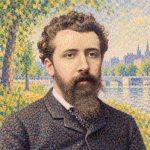
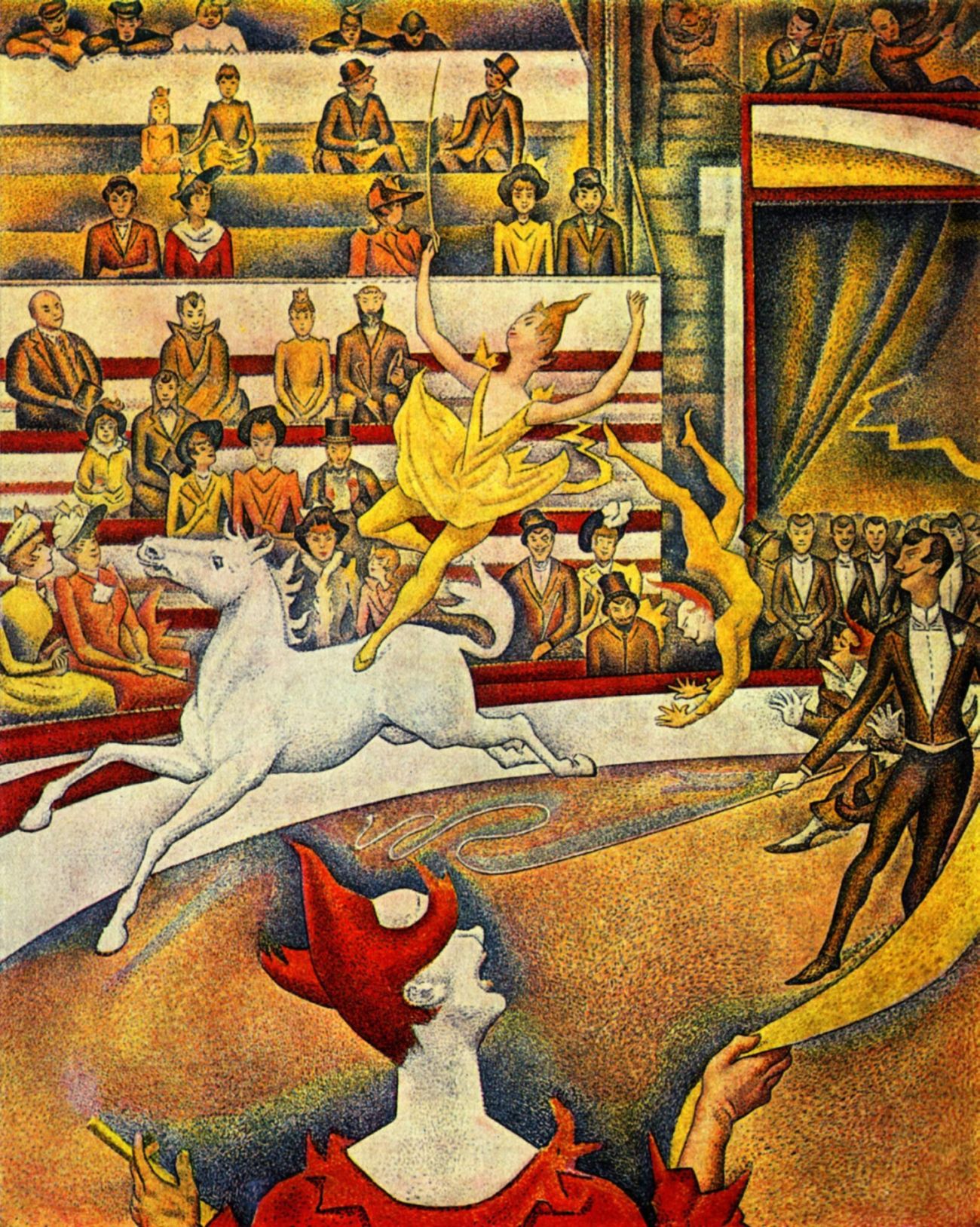
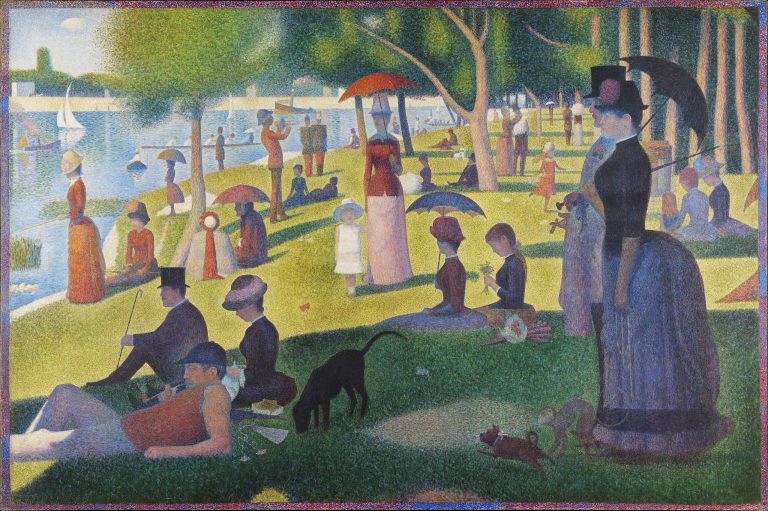
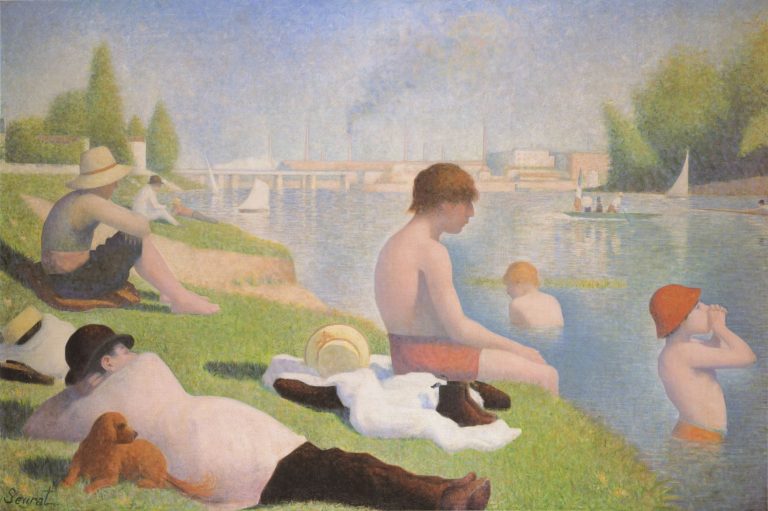
Seurat was the scientist of the group. Trained in the classical tradition, he read books on optics and colour theory and invented a method of painting in tiny dots of pure colour that blend in the viewer's eye. Critics called it pointillism; he preferred chromoluminarism. His friend Paul Signac carried the method on after him.
He worked slowly and in secret, and finished only a handful of large paintings, among them A Sunday on La Grande Jatte and Bathers at Asnières. The Circus was on show at the Salon des Indépendants when he fell ill. He died in March 1891, at 31. Only days before, he had introduced his family to the companion and baby son he had kept secret from them.
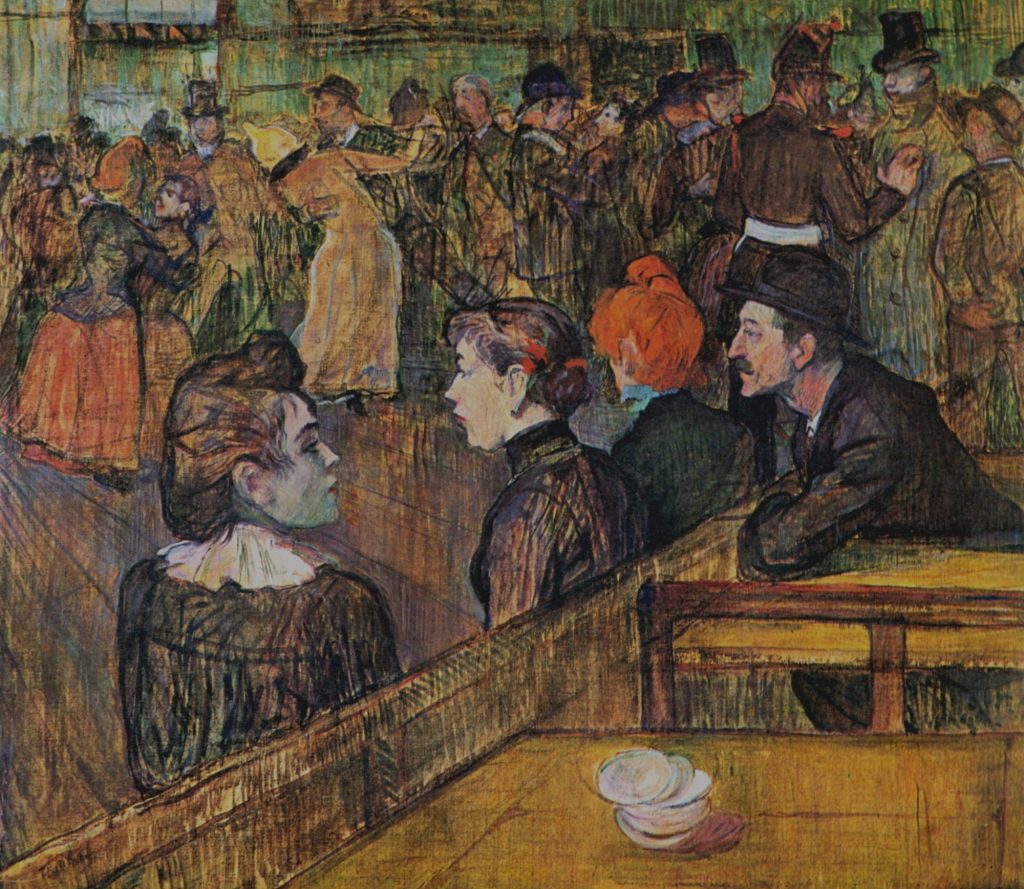
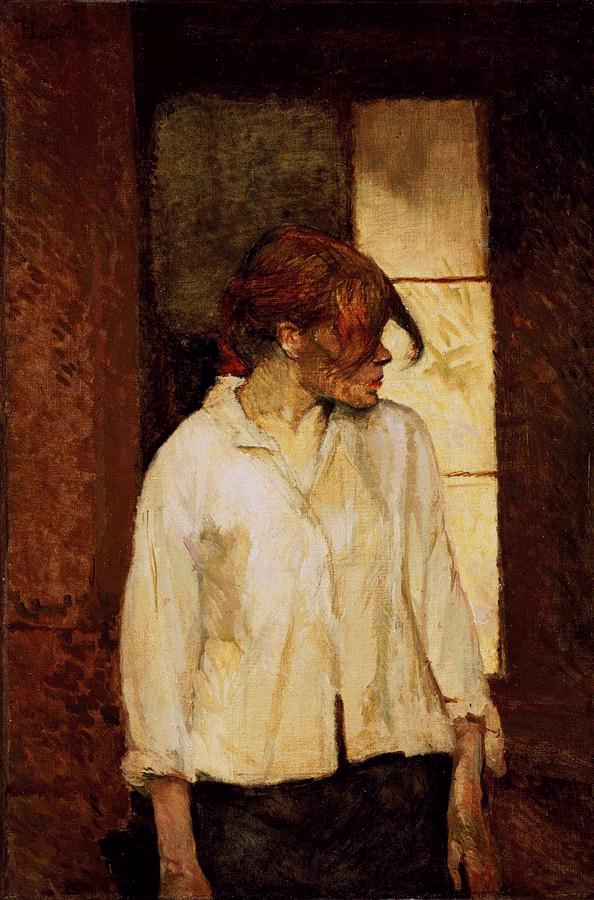
Born into one of the oldest noble families in France, Toulouse-Lautrec broke both thighbones as a teenager, and his legs stopped growing, probably because of an inherited bone condition. Unable to ride or hunt like his father, he drew all the time, moved to Paris and made Montmartre his home: its dance halls, cabarets, circuses and brothels.
The Moulin Rouge opened in 1889 and kept a table for him. His posters for it, with the dancer La Goulue kicking her legs, turned advertising into art. He drew fast and sharply, without flattery but with real affection for the dancers and singers he knew. Alcohol wore him out, and he died at the family's château in 1901, aged 36.
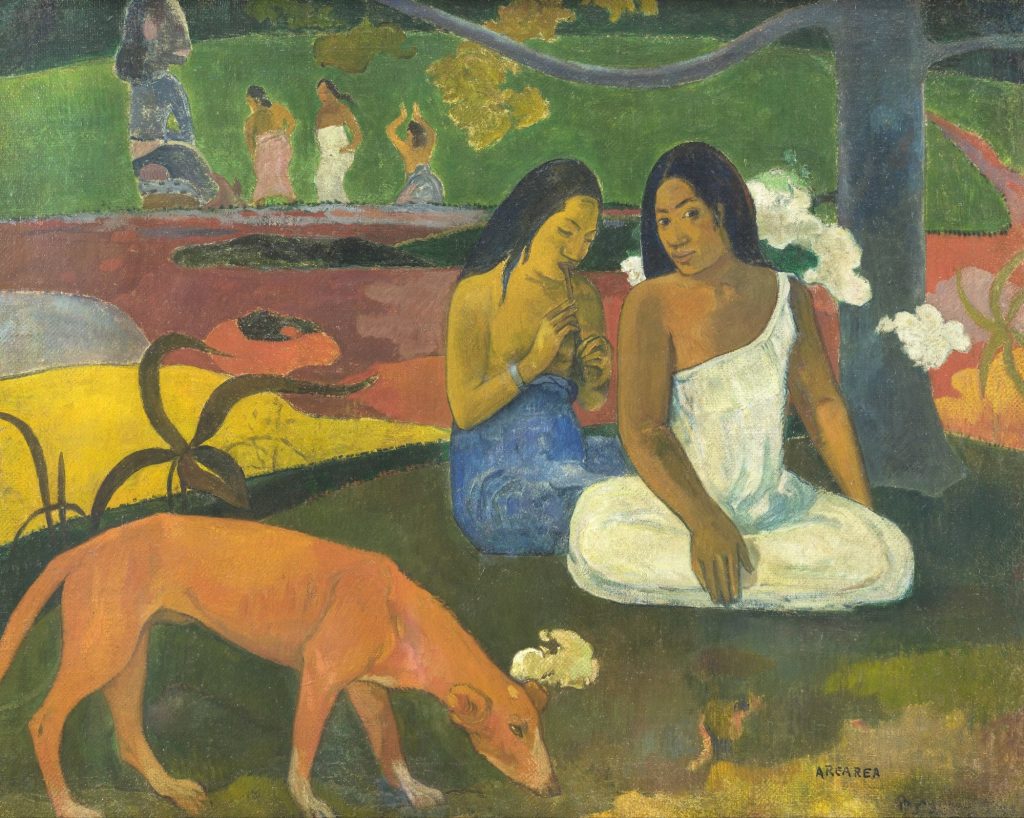
Gauguin was a successful Paris stockbroker who collected Impressionist paintings and painted on Sundays. After the stock market crash of 1882 he gave up his job to paint full time, and soon left his Danish wife and five children. In Brittany he developed a flat, bold style of strong outlines and pure colour, and in 1888 he spent nine stormy weeks with Van Gogh in Arles that ended the night Van Gogh cut his ear.
In 1891 he sailed for Tahiti, looking for an untouched paradise, and painted the island in reds, yellows and violets nobody had used like that before. He died in the Marquesas Islands in 1903. His influence on modern art was huge; his life in the islands, including his relationships with very young Tahitian girls, is looked at much more critically today.
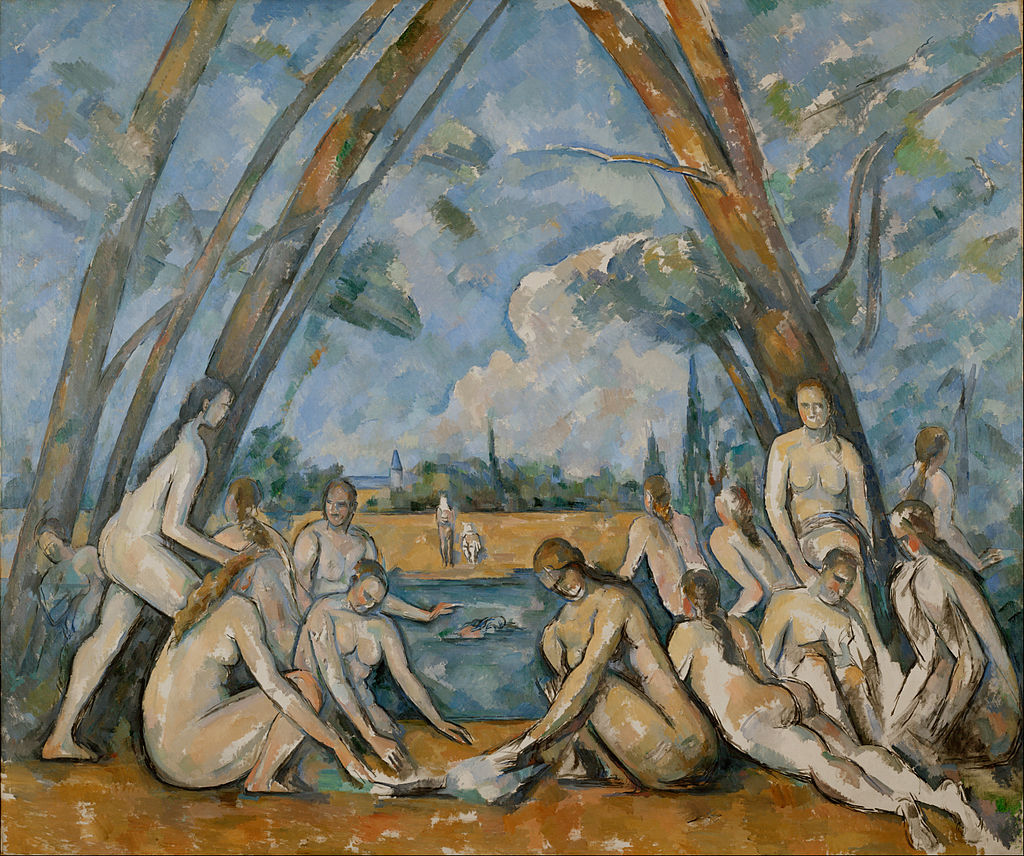
Cézanne was the son of a rich banker in Aix-en-Provence, and the boyhood friend of the novelist Émile Zola. He exhibited with the Impressionists in 1874 and 1877, was mocked and rejected by the Salon for years, and went back to Provence to work alone. His father's money meant he did not need to sell.
He wanted to make Impressionism "something solid and durable, like the art of the museums", and built his paintings out of patches of colour like bricks: apples, card players, bathers and his beloved Mont Sainte-Victoire. Picasso and Matisse are both said to have called him the father of us all.
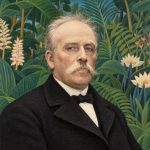
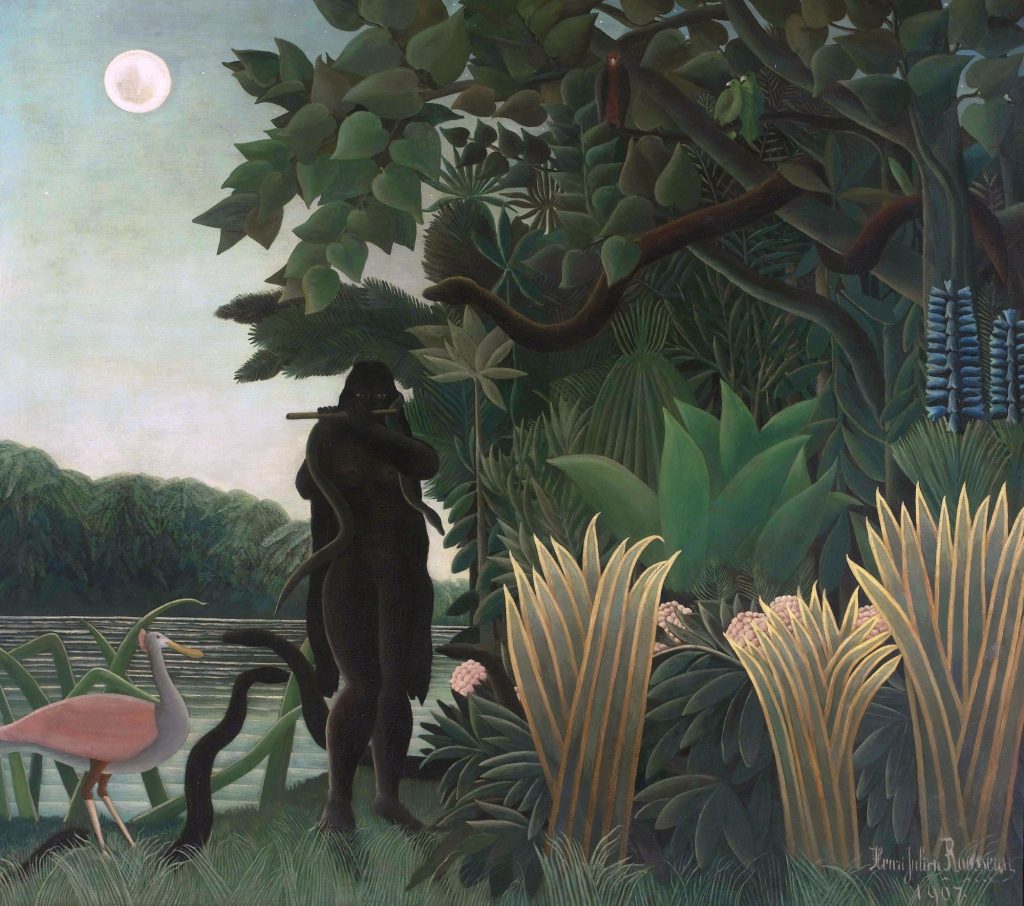
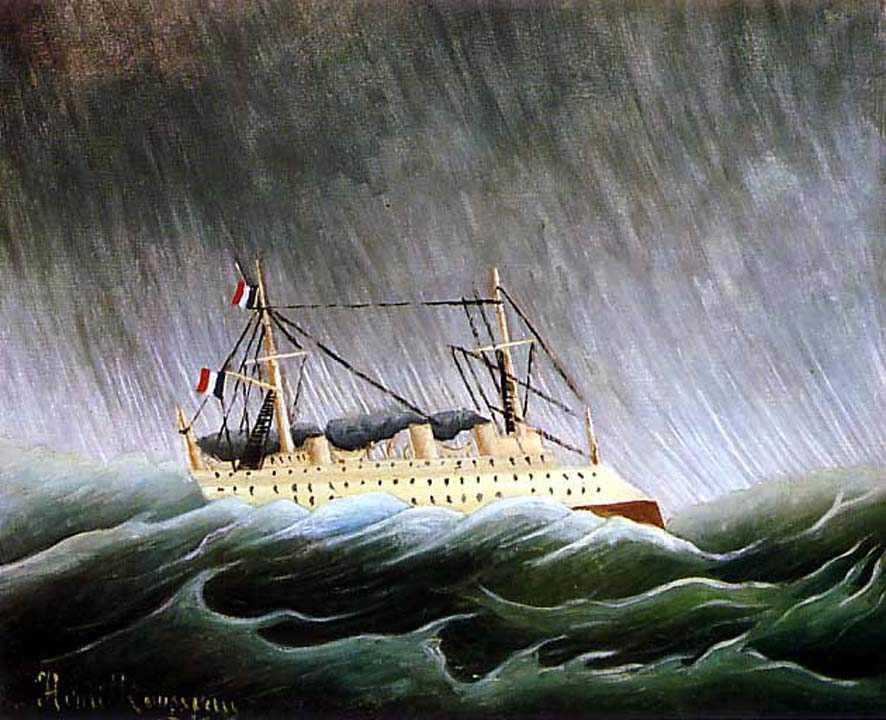
Rousseau worked for years at the Paris toll office, checking goods coming into the city, which is why he is called Le Douanier, the customs man. He taught himself to paint, started exhibiting in his forties, and was laughed at for years for his flat, careful, childlike style.
He liked to hint that he had seen the jungle as a soldier in Mexico, but he almost certainly never left France. His jungles came from the hothouses of the Paris botanical garden and from picture books. The young avant-garde adored him, and in 1908 Picasso threw a famous banquet in his honour. This painting was commissioned by the mother of the painter Robert Delaunay, who had told Rousseau about her travels in India.
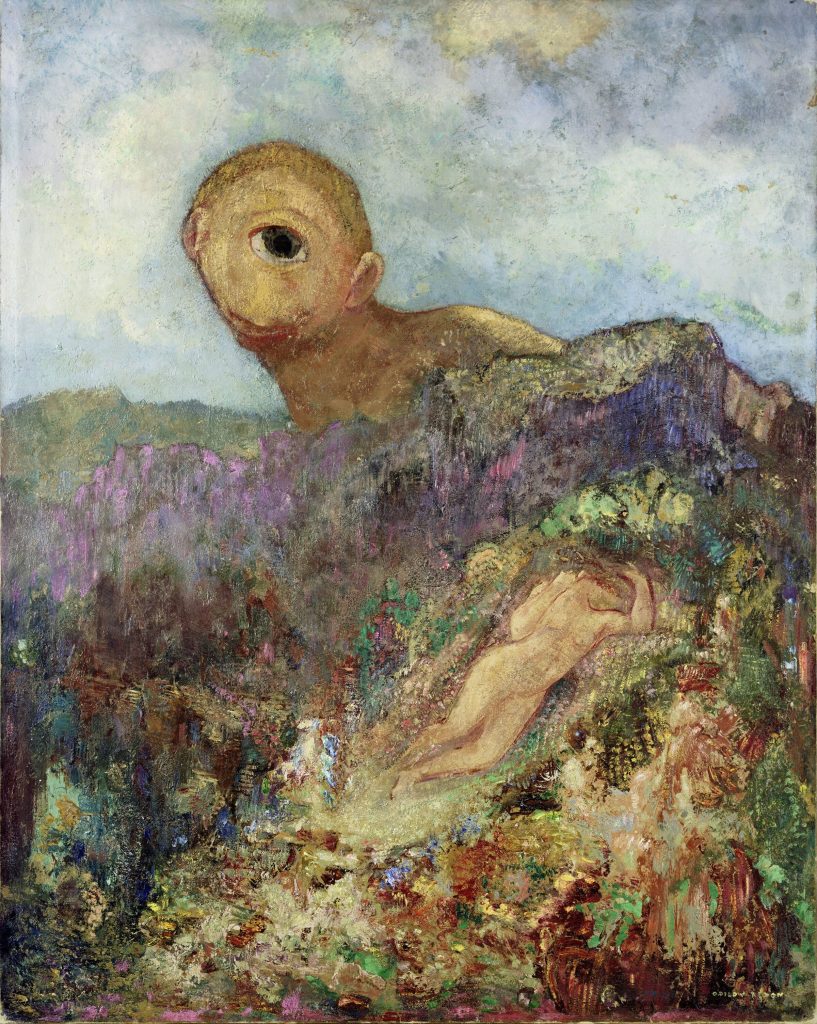
For the first twenty years of his career Redon worked almost only in black: charcoal drawings and lithographs of floating eyes, spiders with human faces and heads on stalks. He called them his noirs. Then, in his fifties, he discovered colour, and the dreams turned into bright flowers, butterflies and mythical scenes in pastel and oil.
He showed at the last Impressionist exhibition in 1886, and the young Nabis painters treated him as a master. In 1910 his work hung in the London exhibition that gave Post-Impressionism its name. This late painting turns a monster from Greek myth into a shy, lovesick giant.
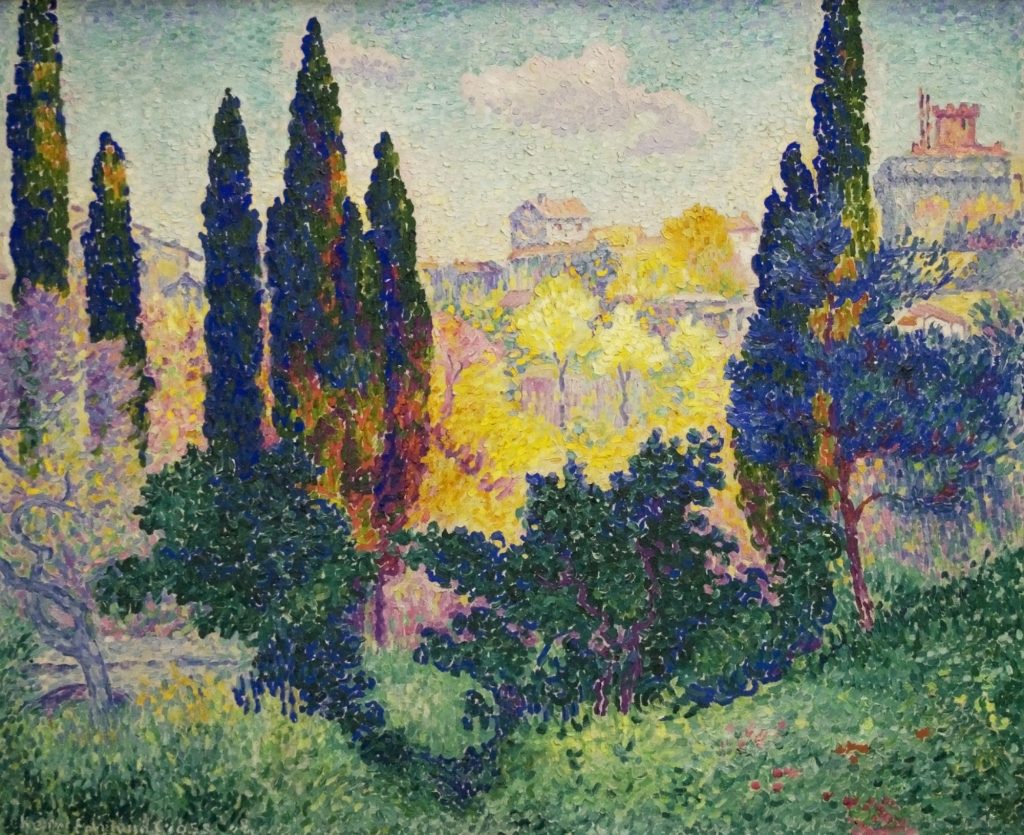
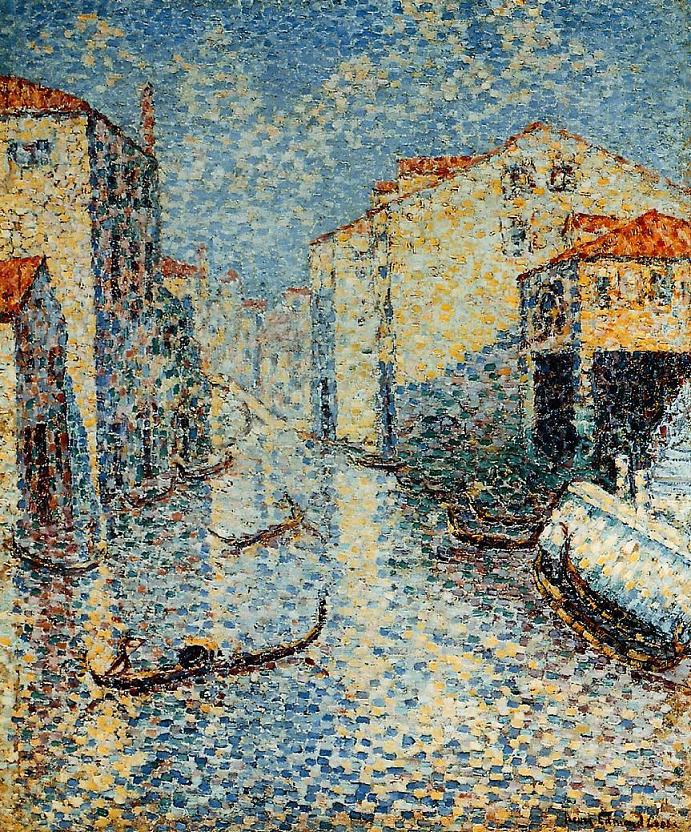
He was born Henri-Edmond Delacroix, and changed his name to avoid being confused with the great Romantic painter Eugène Delacroix. "Croix" means cross. In 1884 he helped found the Society of Independent Artists in Paris, and became one of Seurat's first and most loyal followers.
In 1891 he moved to the Mediterranean coast for his health, near his friend Paul Signac. There his small dots grew into broad square strokes of glowing colour. In the summer of 1904 a young Henri Matisse stayed nearby with Signac, painted with them, and went home with the ideas that soon exploded into Fauvism.
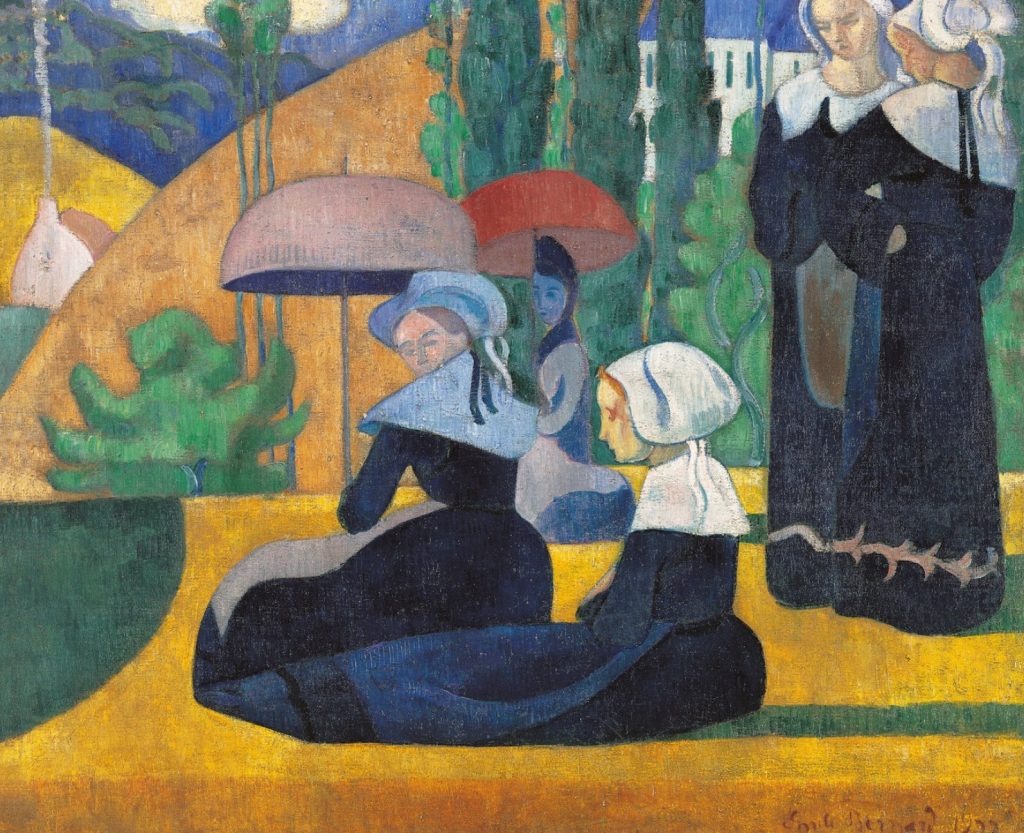
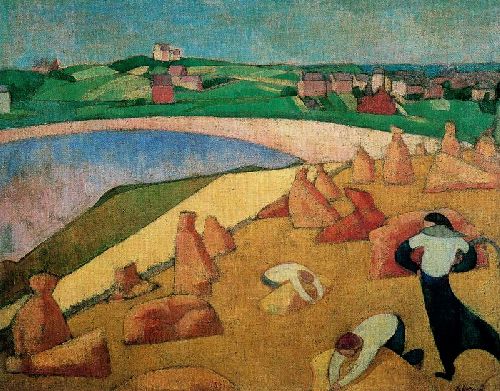
Bernard was only nineteen when he and his friend Louis Anquetin invented a new way of painting: flat areas of pure colour inside dark outlines, like stained glass or cloisonné enamel. In the summer of 1888 in Brittany he showed it to Gauguin, who took it further in his own work, and the two men quarrelled for the rest of their lives over who had invented what.
He was also one of Van Gogh's closest friends. They wrote to each other often, and in July 1890 Bernard was at Van Gogh's funeral in Auvers, which he later painted. He kept writing about him long after, and published the letters Van Gogh had sent him.
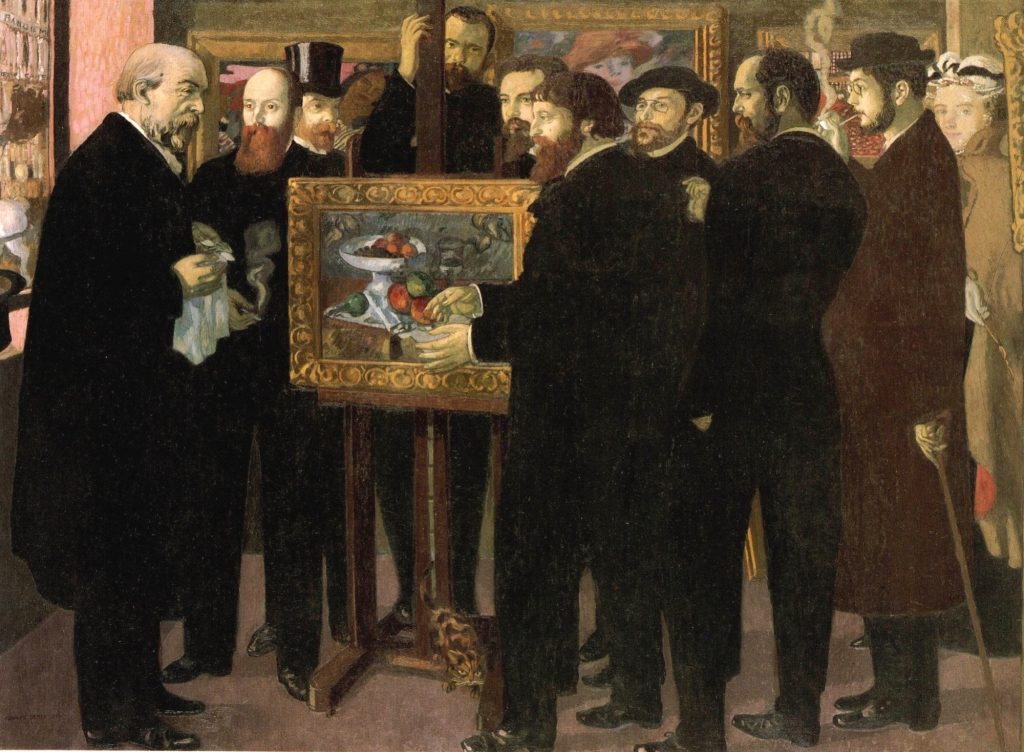
At twenty Denis wrote one of the most quoted sentences in modern art: remember that a picture, before being a battle horse, a nude woman or some anecdote, is essentially a flat surface covered with colours assembled in a certain order. He was a founder of the Nabis, the Hebrew word for prophets, a group of young painters who followed Gauguin's flat, bold colour.
This group portrait shows the whole circle paying tribute to Cézanne, whose still life sits on the easel in the shop of the dealer Ambroise Vollard. Odilon Redon, number seven on this list, stands on the far left. Denis went on to paint churches, chapels and theatre ceilings, and remained a devout Catholic painter all his life.
Who is the most famous Post-Impressionist artist? Vincent van Gogh. People search for him far more than for any other painter of the period, and more than for almost any painter in history.
Who were the main Post-Impressionists? Van Gogh, Cézanne, Gauguin and Seurat are the big four, with Toulouse-Lautrec beside them. Around them worked Signac and Cross with their dots, Bernard in Brittany, the Nabis painters Denis, Bonnard and Vuillard, and the self-taught Rousseau.
Is Cézanne an Impressionist or a Post-Impressionist? Both, in a way. He exhibited with the Impressionists in the 1870s, but his later work, built from solid blocks of colour, is the heart of Post-Impressionism and led straight to Cubism.
Was Van Gogh famous in his lifetime? No. He is said to have sold only one painting while he was alive, though a few critics had started to praise him just before he died. His fame came in the twenty years after his death.
Can I own a painting by these artists? The originals are in museums, but every painting shown here is available from us as a hand-painted oil reproduction, along with hundreds more by these artists. Start with the ten famous Post-Impressionist paintings.
Enjoyed this story?
Save articles to your collection
Log in or create a free account, and this article will be waiting in your Private Collection.
Log in or sign upRanking follows monthly US Google search volume for each artist's name (OpenSEO, October 2026), among artists whose paintings we offer. Paul Signac, Pierre Bonnard and Édouard Vuillard are not yet in our collection. Henri Matisse, searched more often, is left out because he is usually counted as a Fauve. We do not publish the figures.
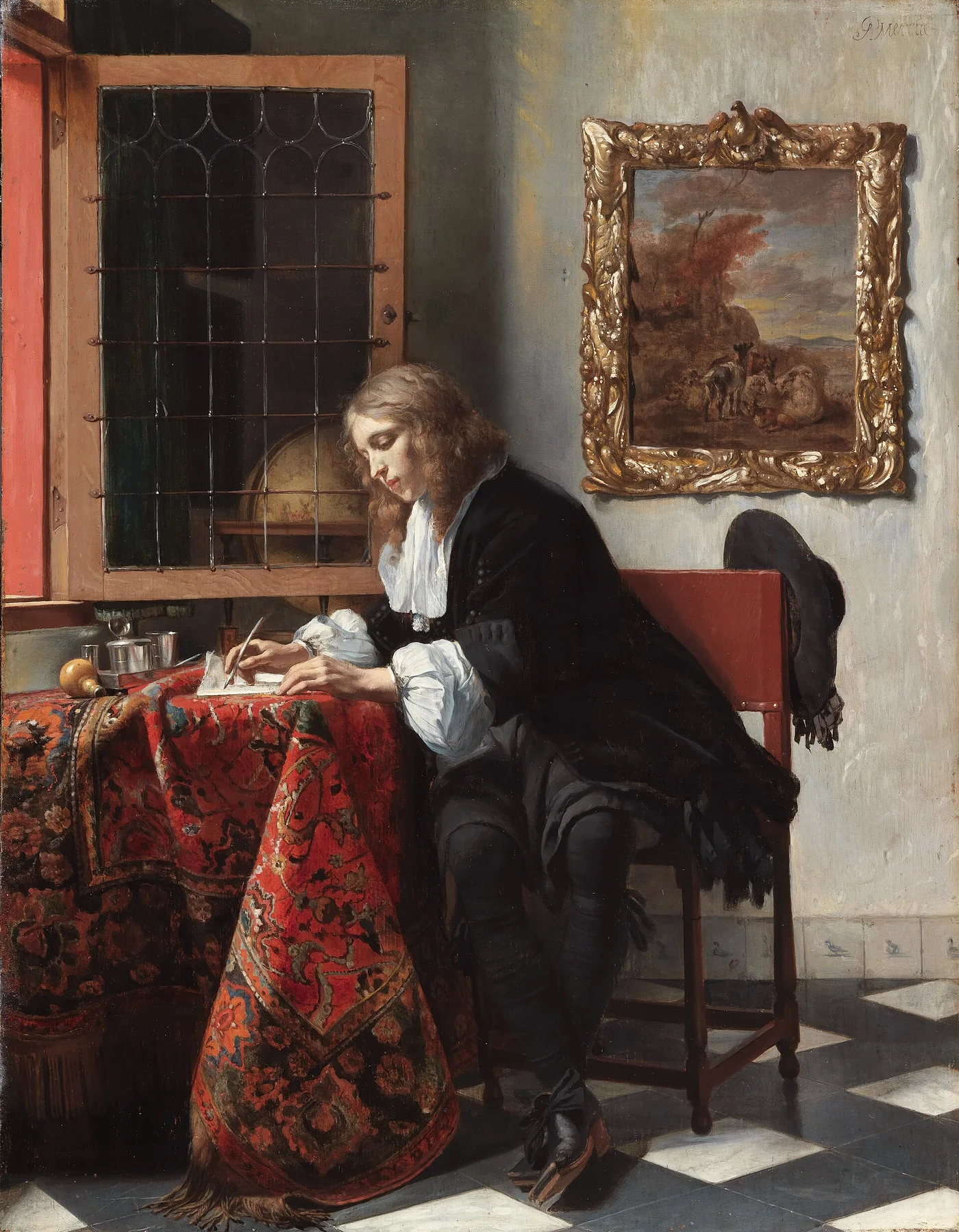
Man Writing a Letter
Gabriel Metsu, c. 1664
The gallery list
Every painting is already 50% off. Join the list and we will send you an extra $15 code, plus first access to new collections.
No spam. Unsubscribe anytime. · Privacy Policy
Welcome
Your $15 code is on its way. Explore the gallery while you wait.