Loading cart…
No products in the cart.

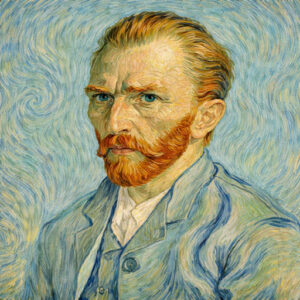
Vincent van Gogh was born in 1853 in the village of Zundert in the Netherlands, the son of a Protestant minister. He worked as an art dealer, a teacher, a bookshop clerk, and a lay preacher before picking up a…
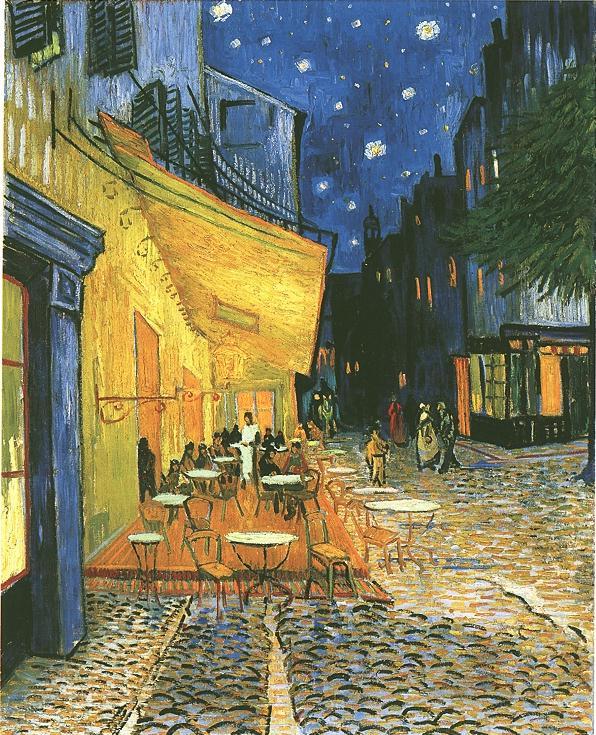
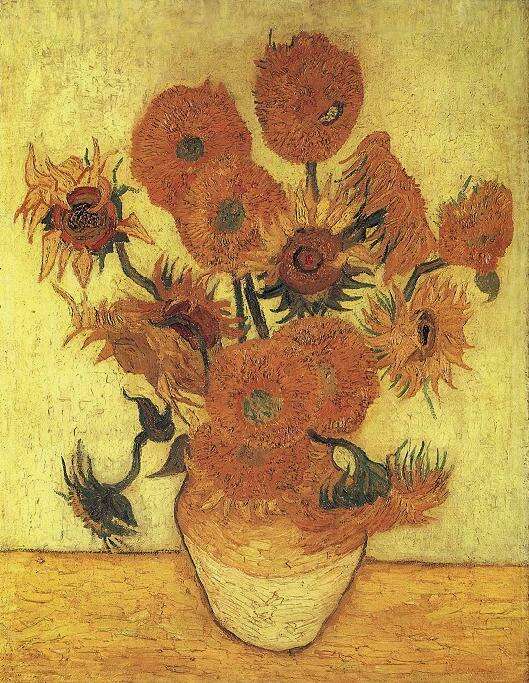
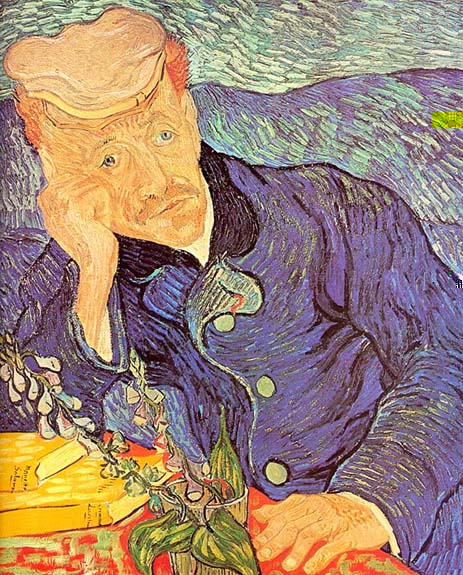
Vincent van Gogh was born in 1853 in the village of Zundert in the Netherlands, the son of a Protestant minister. He worked as an art dealer, a teacher, a bookshop clerk, and a lay preacher before picking up a brush seriously at the age of 27. He had less than a decade of productive painting before his death at 37. In that time he produced around 900 paintings and over 1,100 drawings. Van Gogh was largely self-taught, learning from copying prints, studying anatomy, and writing thousands of letters to his brother Theo, who supported him financially throughout his career. He moved through Belgium, the Netherlands, England, and France, absorbing influences from the Dutch masters, from Japanese woodblock prints, and from the Impressionists he met in Paris in 1886. He moved to Arles in the south of France in 1888, hoping to establish an artists colony. It was there that he painted many of his most famous works, including The Bedroom, the Sunflowers series, and the Night Cafe. His colleague Paul Gauguin joined him briefly, but their relationship ended in crisis when Van Gogh cut off part of his own ear in December 1888. After a period in the Saint-Paul-de-Mausole asylum at Saint-Remy, he moved to Auvers-sur-Oise north of Paris in May 1890, where he painted at a furious pace under the care of the physician Dr. Paul Gachet. He died on 29 July 1890 from a gunshot wound, almost certainly self-inflicted, at the age of 37. He sold only one painting in his lifetime. Within a decade of his death he was recognized as one of the most important artists who ever lived.
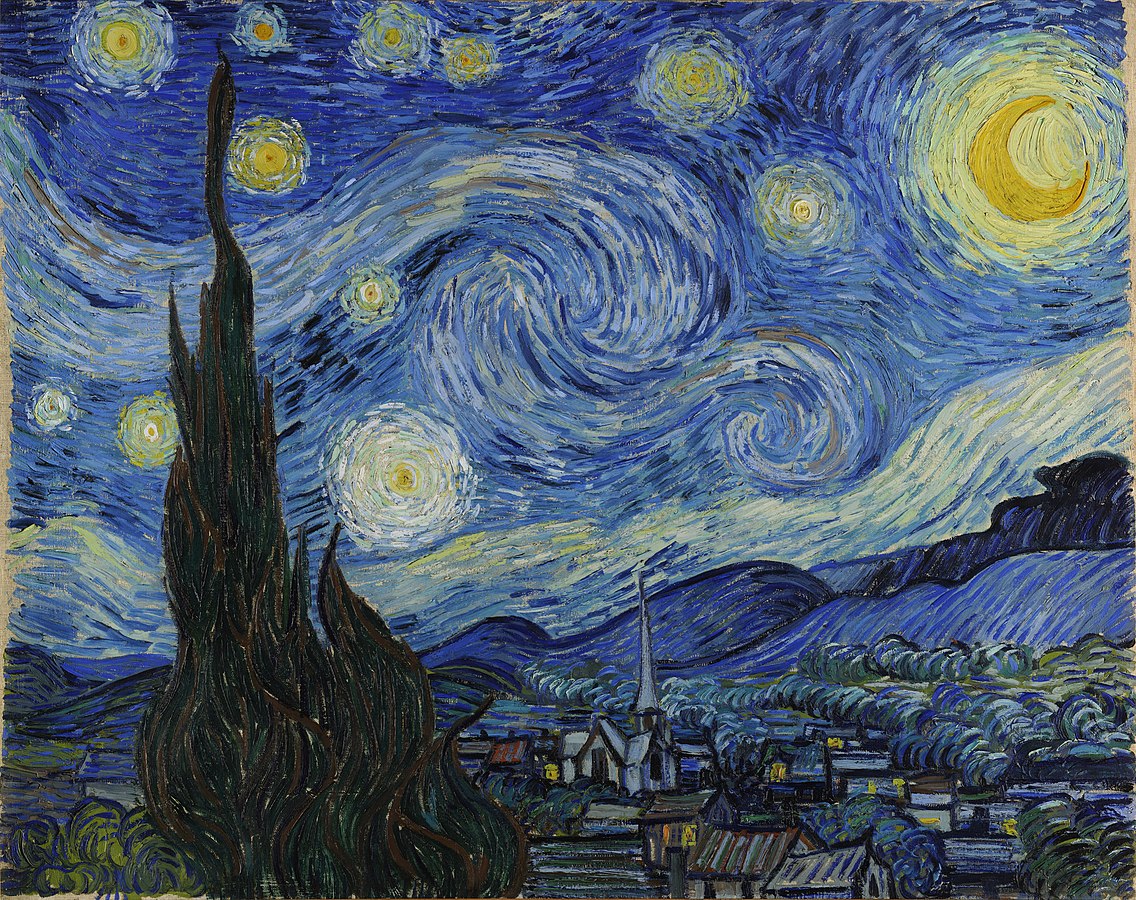
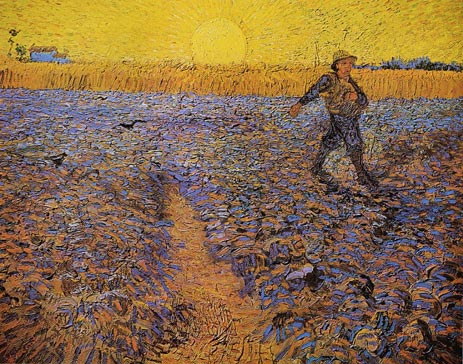
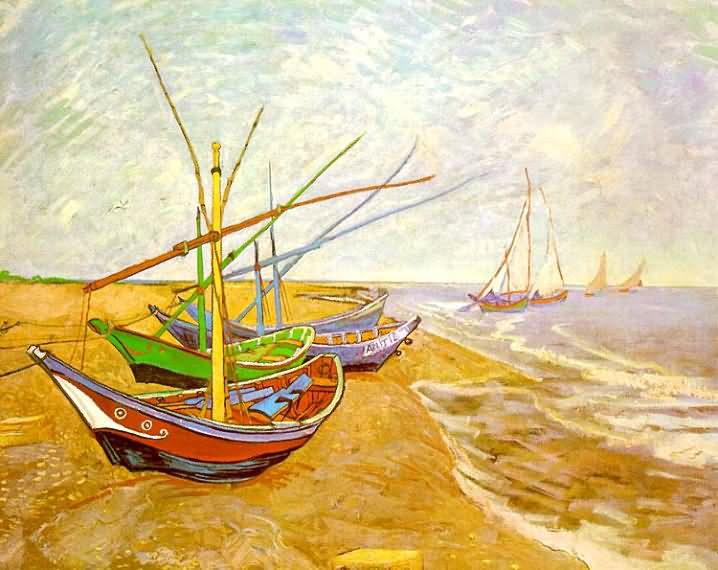
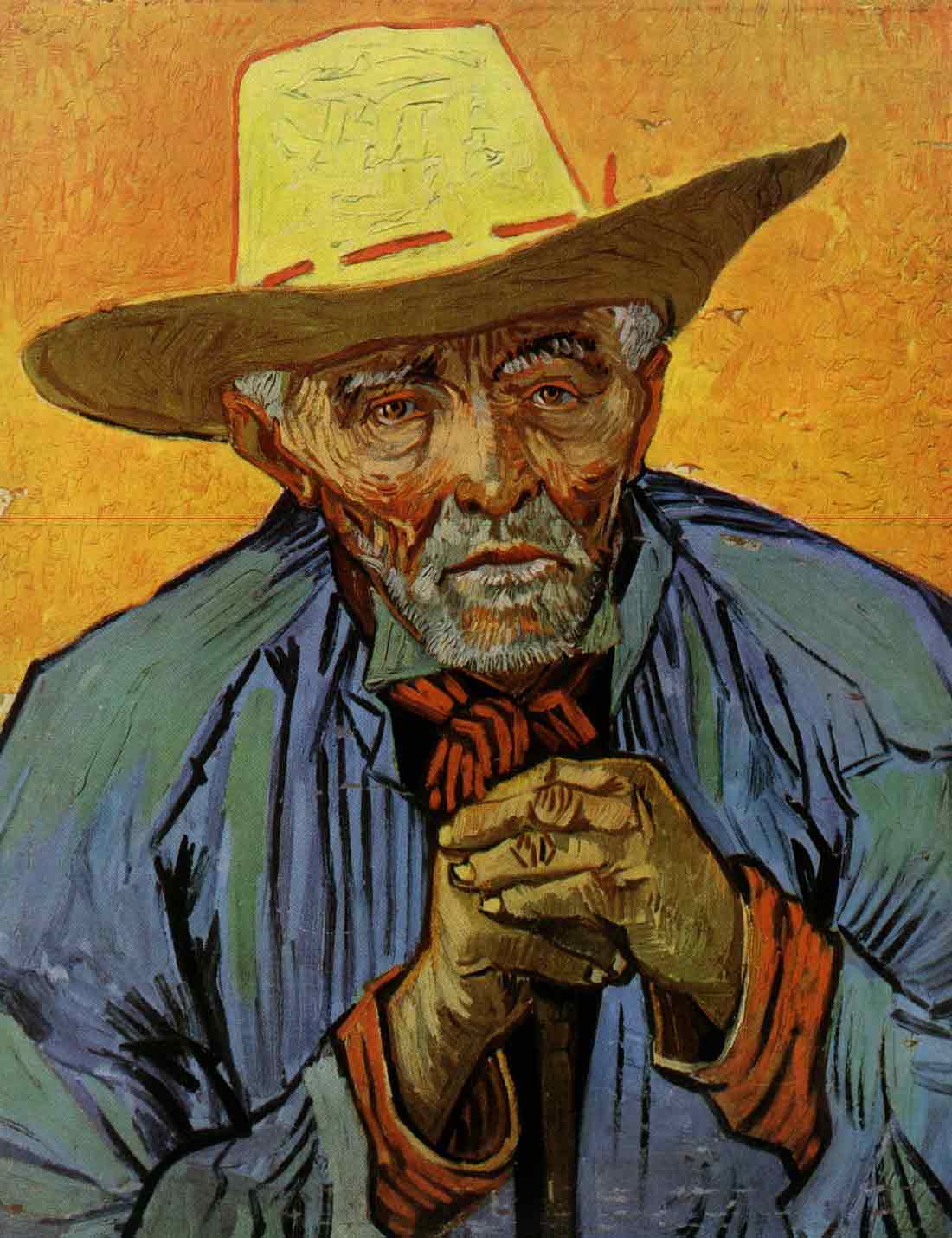
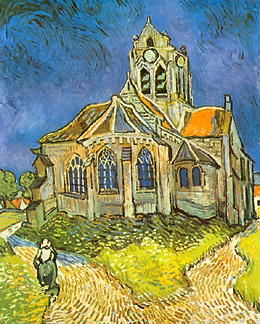
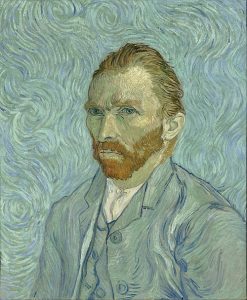
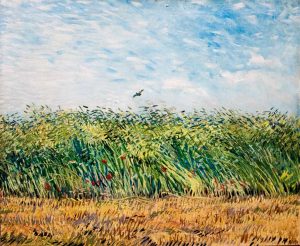
Van Gogh painted with visible, energetic brushstrokes that twist and swirl across the canvas in directions that describe the motion and energy of what he saw. Where Monet used short, broken strokes to capture the shimmer of light, Van Gogh used long, curving marks that give his canvases an almost physical momentum. Looking at a Van Gogh sky is like watching air move. He used color expressively rather than descriptively. His yellows are more yellow than any actual sunflower, his blues more blue than any night sky. He pushed colors toward their emotional maximum rather than their optical accuracy. This approach, developed partly under the influence of Japanese prints and partly from his own emotional intensity, defined what would become Expressionism and influenced virtually every artist who came after him. He worked at extraordinary speed, sometimes completing a major canvas in a single day. The haste is visible in the work. The brushstrokes have an urgency that no technically careful painter could replicate. This is another reason why hand-painted oil reproductions capture his work in ways that prints cannot: the texture of the paint surface, the physical evidence of the speed and pressure of each mark, is inseparable from the meaning of the painting.
Each card links to its own article with full analysis and reproduction details.
 #1
#1
 #2
#2
 #3
#3
 #4
#4
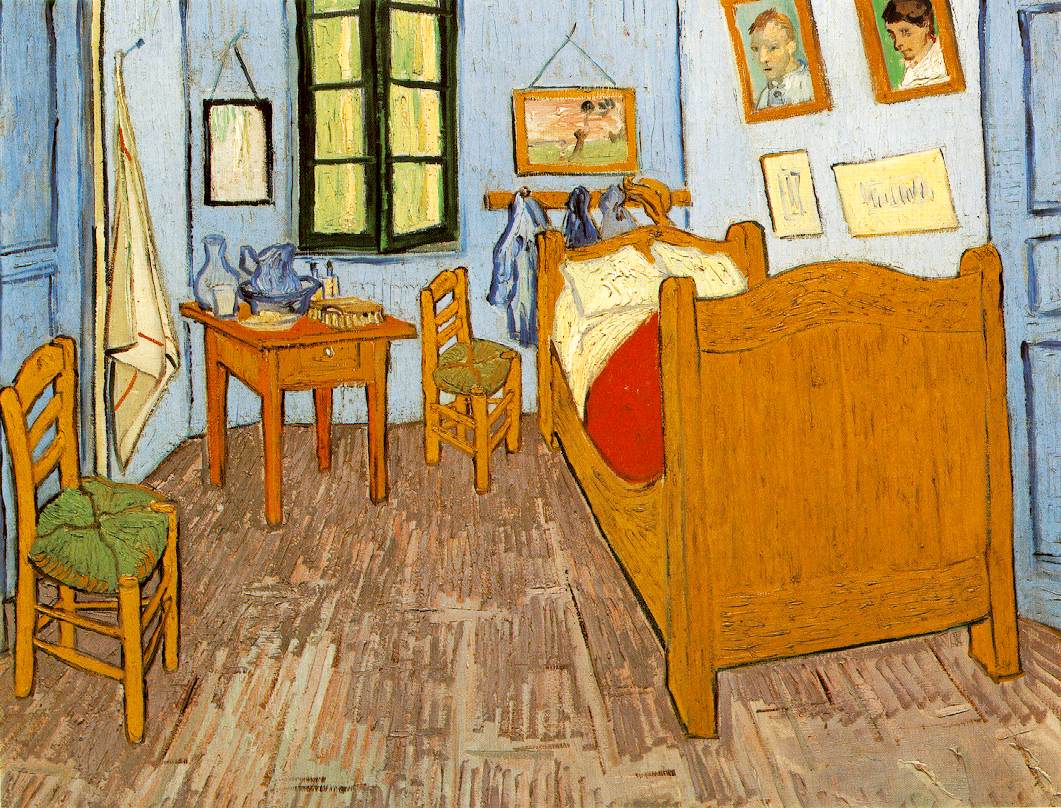 #5
#5
 #5
#5
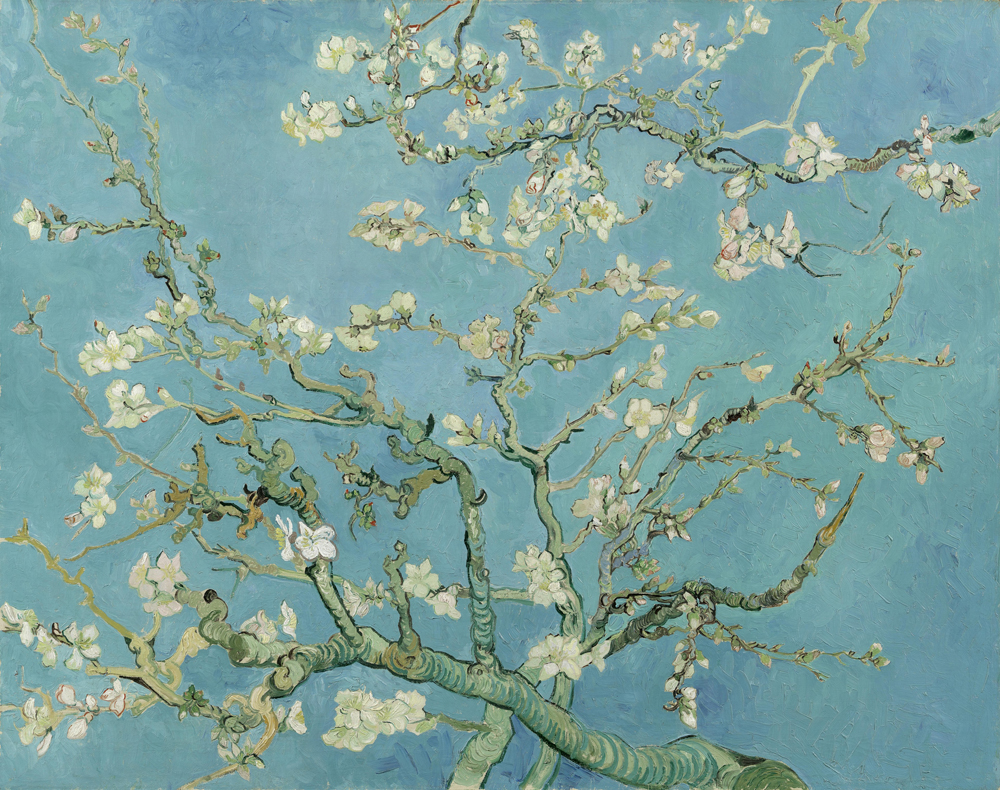 #6
#6
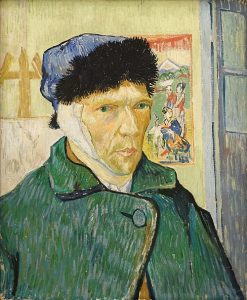 #7
#7
 #8
#8
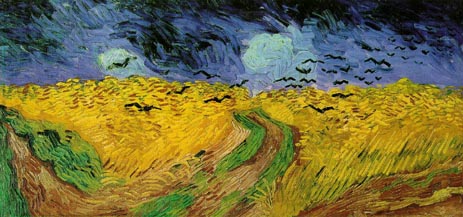 #9
#9
 #10
#10
 #11
#11
 #13
#13
 #14
#14
 #15
#15
 #16
#16
 #17
#17
 #18
#18
 #19
#19
 #20
#20
A print can reproduce colors. What it cannot reproduce is texture, depth, and the physical presence of oil paint on canvas. Vincent van Gogh technique depends on these.
At ByMuseum, every reproduction is painted by hand using oil on canvas. There is no inkjet, no digital print. The brushwork is real. The result looks like a painting because it is one.