Loading cart…
No products in the cart.

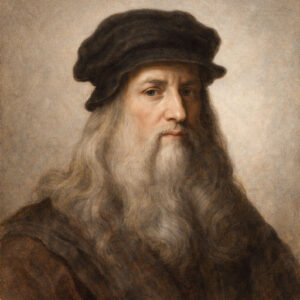
Leonardo da Vinci stands at the center of Western art history not merely because of the fame attached to his name, but because of the radical precision with which he transformed the act of painting into a discipline of inquiry.…
Save articles to your collection
Log in or create a free account, and this article will be waiting in your Private Collection.
Log in or sign upLeonardo da Vinci stands at the center of Western art history not merely because of the fame attached to his name, but because of the radical precision with which he transformed the act of painting into a discipline of inquiry. His work redefined what a painting could communicate, turning the flat surface of a panel or wall into a space of psychological depth, atmospheric light, and scientific observation. To study his paintings is to encounter a mind that refused to separate the visual from the intellectual, the observed from the imagined. He brought to Renaissance painting a level of tonal subtlety, compositional intelligence, and human sensitivity that had no true precedent, and his influence on subsequent generations of European painters was immediate, lasting, and profound. Art historians return to his work not because it is celebrated, but because it continues to reward close looking with new discoveries about how form, light, and meaning can be fused into a single image.
Born on April 15, 1452, in the small Tuscan town of Vinci, Leonardo was the illegitimate son of a notary named Ser Piero da Vinci and a woman named Caterina. He received no formal scholarly education in Latin or philosophy as a child, yet this apparent disadvantage may have sharpened his reliance on direct observation and empirical reasoning. Around 1466, he entered the Florentine workshop of Andrea del Verrocchio, one of the foremost sculptors and painters of the period, where he trained alongside other gifted apprentices and absorbed the technical foundations of the craft. By the time he left Florence for Milan around 1482, working under the patronage of Ludovico Sforza, he had already begun to push beyond conventional Renaissance approaches to form and light. His notebooks from this period and throughout his life reveal a restless intelligence that connected the mechanics of water flow, the anatomy of the human body, the behavior of shadows, and the principles of perspective into a unified vision of how the natural world operates. His later years took him to Rome and finally to France, where he died in 1519 under the patronage of King Francis I. The relatively small number of completed paintings he left behind is not a measure of limited output but of extraordinarily high standards, as Leonardo was known to revise, abandon, and reconsider works over many years in pursuit of an ever more precise rendering of what he saw and understood.
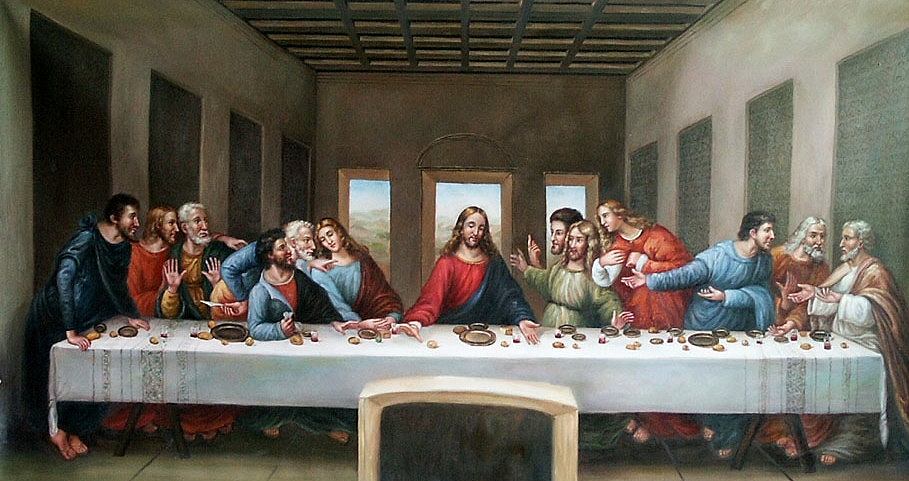
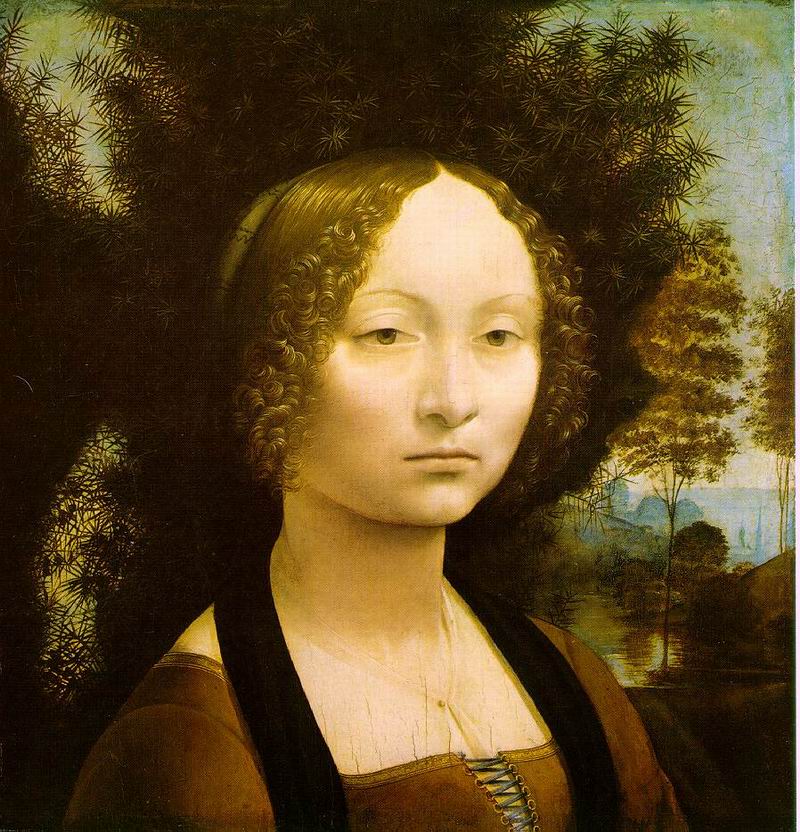
The defining technical achievement of Leonardo da Vinci in the medium of painting is his development and mastery of sfumato, a method of blending tones so gradually that no hard outline separates one form from another. This technique, whose name derives from the Italian word for smoke, allowed Leonardo to render the surfaces of faces, hands, and landscapes with a softness that mimics the way the human eye actually perceives the world, where edges dissolve in peripheral vision and forms emerge from shadow rather than being outlined against it. He applied paint in extraordinarily thin, semi-transparent layers, building up glazes of oil over carefully prepared underdrawings, and he worked with remarkable patience, sometimes returning to a passage over many years. His handling of chiaroscuro, the contrast between light and dark, was equally sophisticated. He used shadow not merely to model three-dimensional form but to create emotional atmosphere, allowing figures to emerge from deep, undefined backgrounds in a way that invests them with a mysterious psychological presence. His compositional thinking was also highly original, favoring pyramidal groupings of figures that create visual stability while allowing for internal movement and narrative tension.
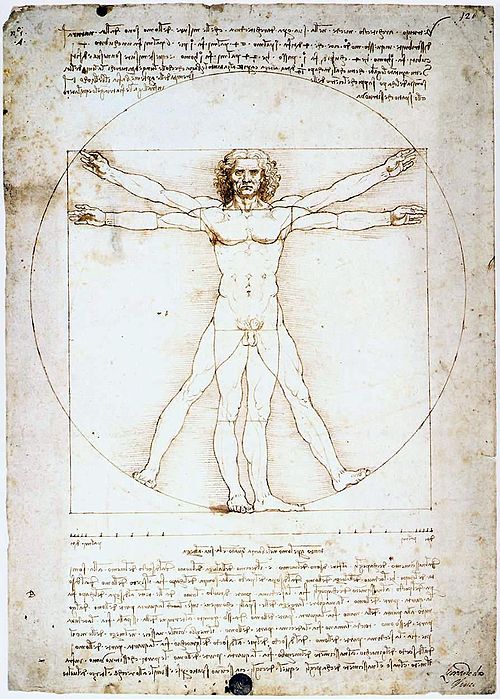
Beyond technique, the visual language of Leonardo is characterized by an attention to individual human expression that was unprecedented in his era. He filled notebooks with rapid sketches of faces caught in extreme emotion, observing grief, laughter, fear, and concentration with clinical detachment, and these studies fed directly into his painted figures, which carry a sense of inner life rarely achieved before him. His landscapes, even when serving as backgrounds, are not decorative afterthoughts but carefully observed environments rendered with geological and atmospheric accuracy. The rocky formations, bodies of water, and misty horizons in his paintings reflect his sustained scientific interest in how the earth is shaped and how light travels through air and moisture. This integration of scientific observation and painterly craft gives his work a density of meaning that repays repeated study, and it is precisely this quality that makes hand-painted oil reproductions of his work so compelling for collectors who wish to live with these images and continue to discover what they contain.
Each card links to its own article with full analysis and reproduction details.
 #1
#1
 #1
#1
 #3
#3
 #4
#4
 #5
#5
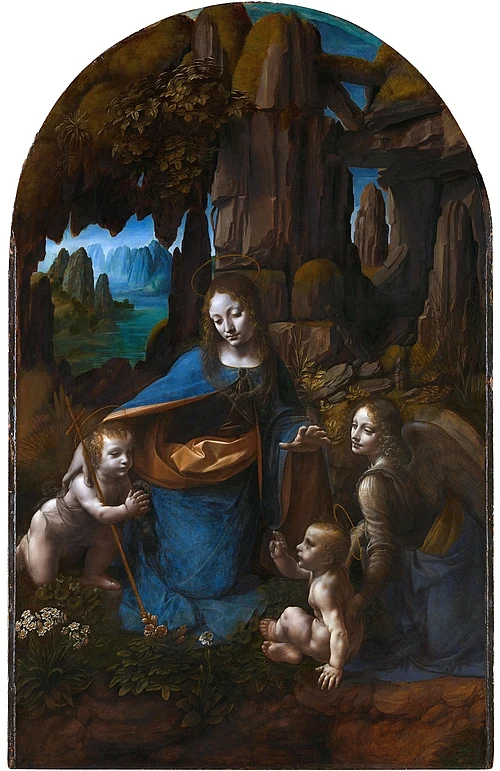 #6
#6
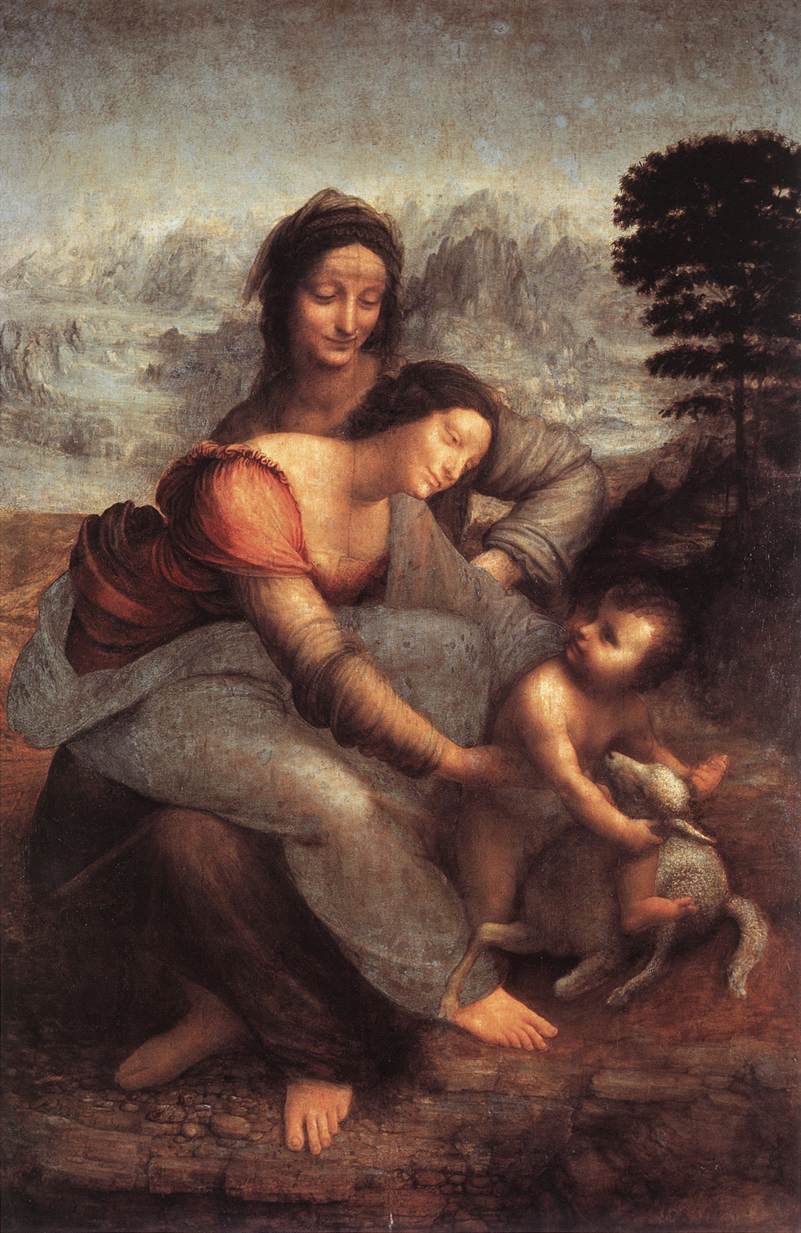 #7
#7
 #8
#8
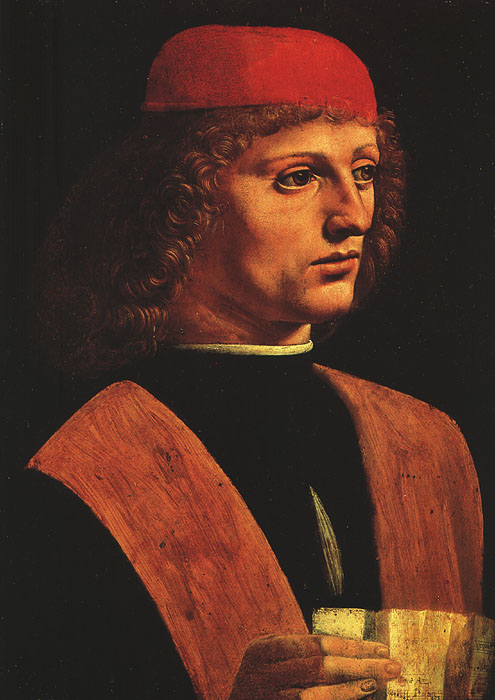 #10
#10
 #11
#11
 #12
#12
 #13
#13
A print can reproduce colors. What it cannot reproduce is texture, depth, and the physical presence of oil paint on canvas. Leonardo da Vinci technique depends on these.
At ByMuseum, every reproduction is painted by hand using oil on canvas. There is no inkjet, no digital print. The brushwork is real. The result looks like a painting because it is one.
Enjoyed this story?
Save articles to your collection
Log in or create a free account, and this article will be waiting in your Private Collection.
Log in or sign up