Loading cart…
No products in the cart.

A focused guide to ten artists who changed the course of art, seen through the paintings that made their ideas visible. Read the artist stories, open the defining works, and continue to the complete ByMuseum artist directory when you want to browse every painter.
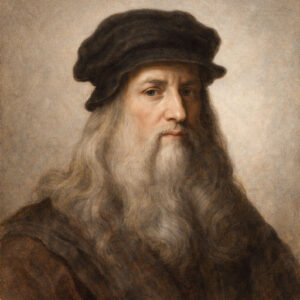
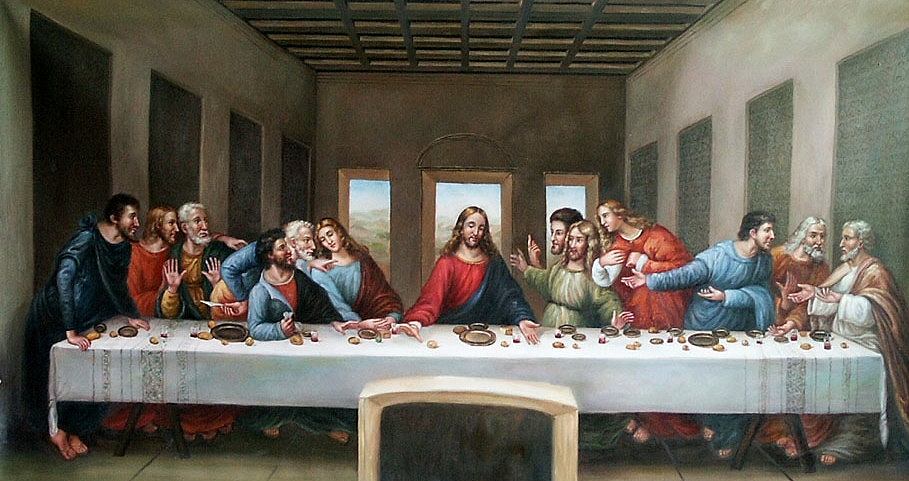
Leonardo da Vinci stands at the center of Western art history not merely because of the fame attached to his name, but because of the radical precision with which he transformed the act of painting into a discipline of inquiry. His work redefined what a painting could communicate, turning the flat surface of a panel or wall into a space…
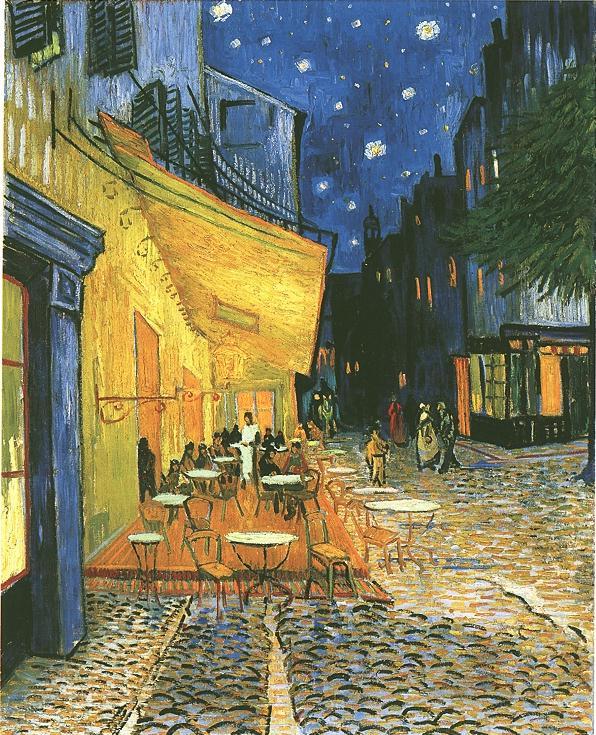
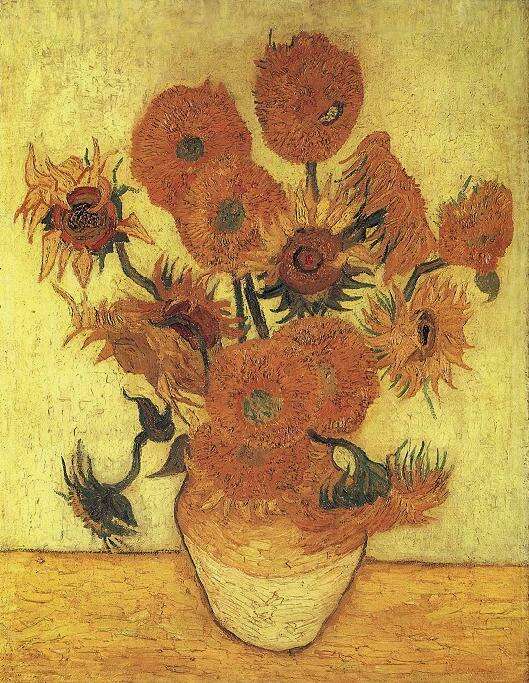
Vincent van Gogh was born in 1853 in the village of Zundert in the Netherlands, the son of a Protestant minister. He worked as an art dealer, a teacher, a bookshop clerk, and a lay preacher before picking up a brush seriously at the age of 27. He had less than a decade of productive painting before his death at…
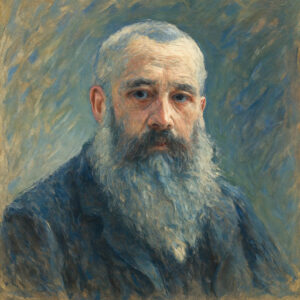
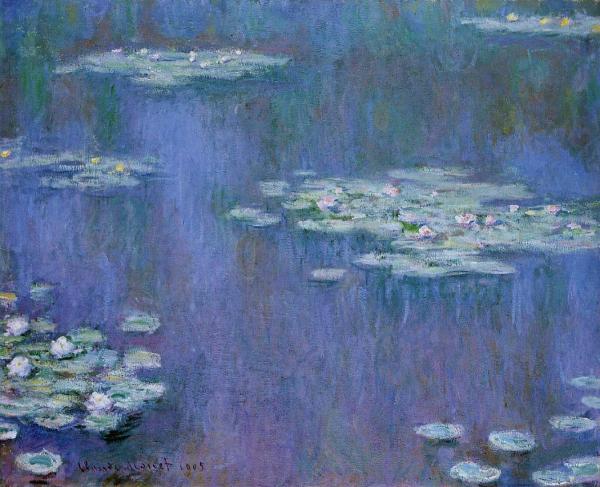
Claude Monet was born in Paris on November 14, 1840, and grew up in Normandy, where the Atlantic coast and the changing quality of northern light would shape his vision for the rest of his life. He showed drawing talent early and began selling caricatures as a teenager before Eugene Boudin introduced him to painting outdoors. That encounter changed the…
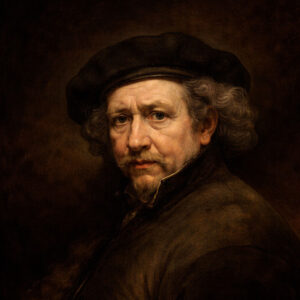
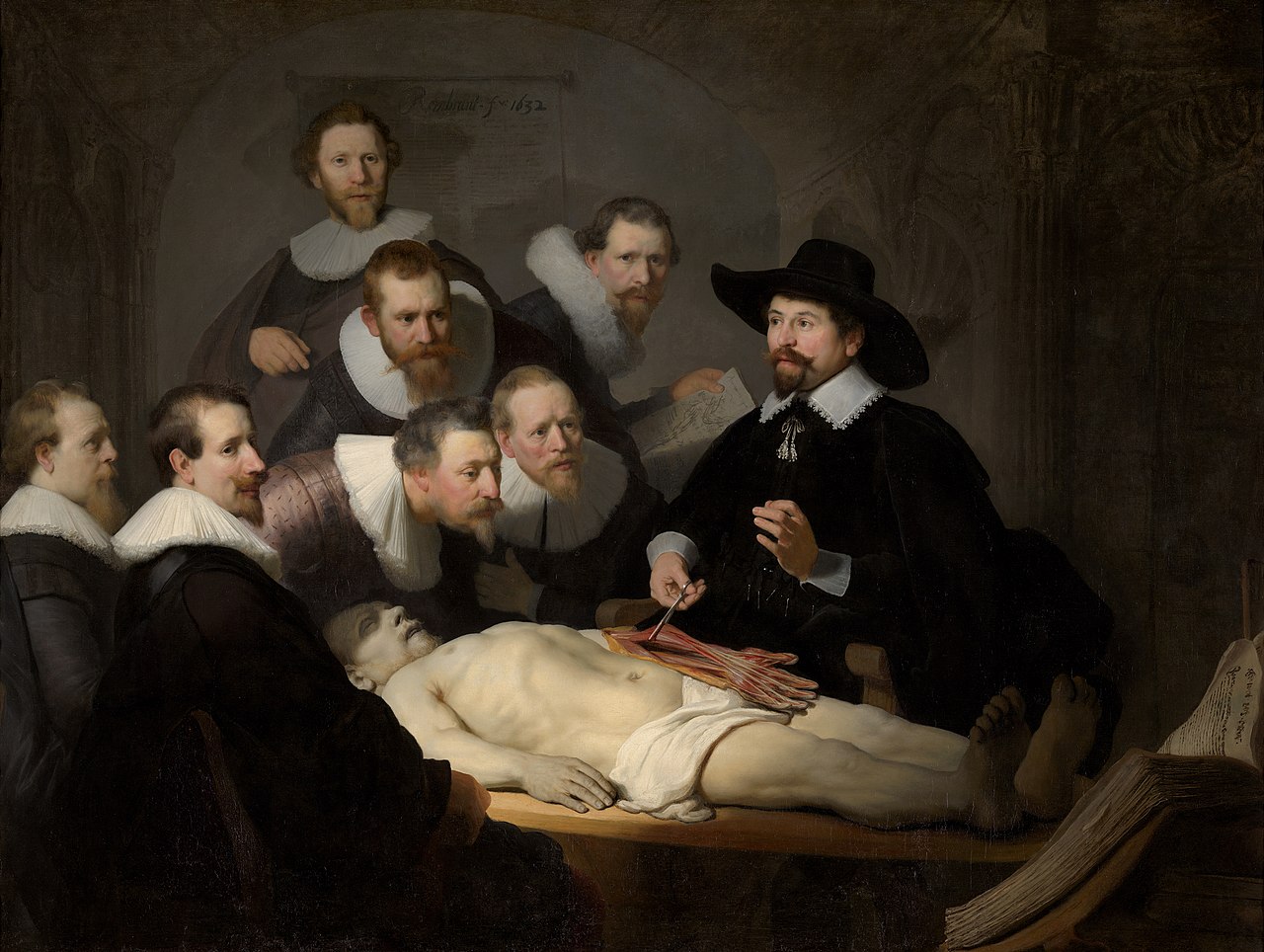
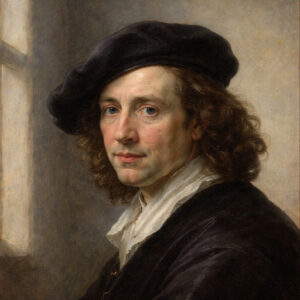
Few names in the entire history of Western art carry the cultural weight that Rembrandt van Rijn carries today. His works hang in the most celebrated museums across the globe, from the Rijksmuseum in Amsterdam to the Hermitage in Saint Petersburg, the Louvre in Paris, and the Metropolitan Museum of Art in New York. His influence reaches far beyond the…
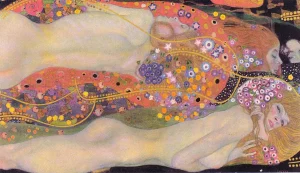
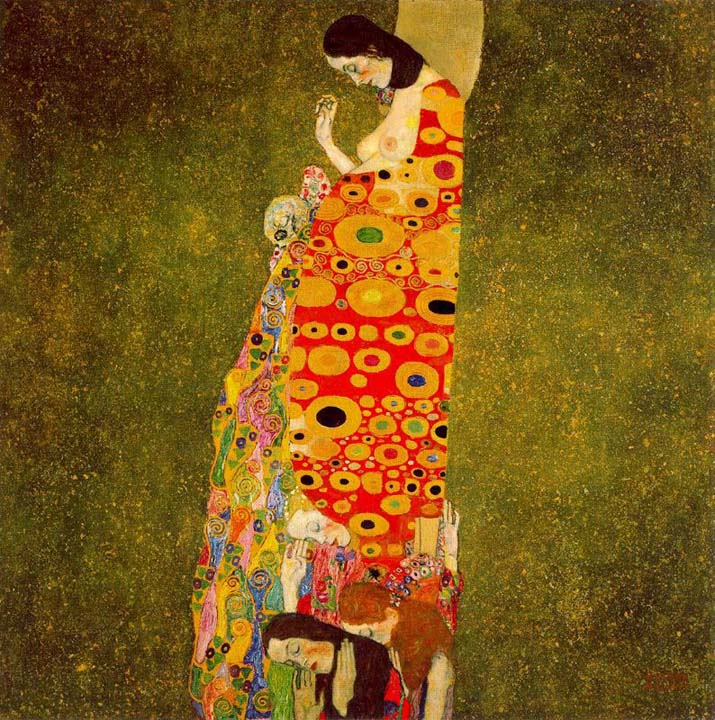
Gustav Klimt was born on July 14, 1862, in the working-class district of Baumgarten on the outskirts of Vienna, in what was then the Austrian Empire. He was the second of seven children born to Ernst Klimt, a gold engraver who had emigrated from Bohemia, and Anna Klimt, a woman with unfulfilled ambitions in music performance. The family lived in…
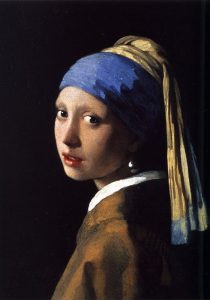
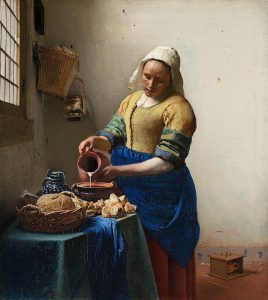
Johannes Vermeer was born on October 31, 1632, in the city of Delft in the Dutch Republic, a prosperous and culturally vibrant trading center that would remain his home for the entirety of his life. His father, Reynier Janszoon, worked as a weaver of fine caffa fabric and also operated an inn, and he later registered as an art dealer,…
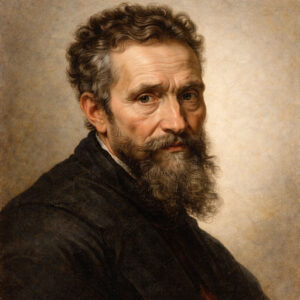
Michelangelo Buonarroti stands at the center of the Italian Renaissance not because he mastered a single discipline, but because he redefined what the human body could communicate in visual art. His painted figures breathe with a physical urgency that had no real precedent, and his ability to merge theological ambition with anatomical precision produced images that changed the course of…
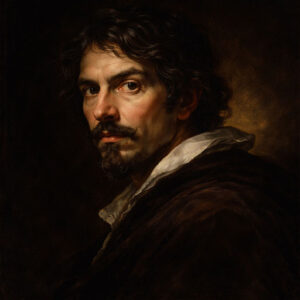
A single candle cuts through absolute darkness. On one side of the painting, a shaft of light falls across a group of men gathered around a table in what appears to be an ordinary tavern. One of them looks up, startled, pointing at himself as if to ask: me? That moment, captured in The Calling of Saint Matthew, completed around…
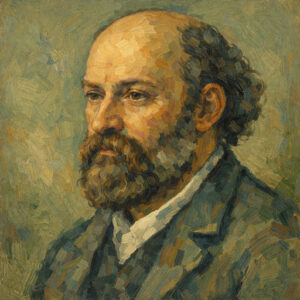
Imagine standing before a canvas where a mountain does not merely sit in the distance but seems to breathe, to press forward through layered planes of blue, green, and ochre, as if the act of seeing itself has been made visible. That painting is one of many renditions of Mont Sainte-Victoire, a limestone peak near Aix-en-Provence, and the man who…
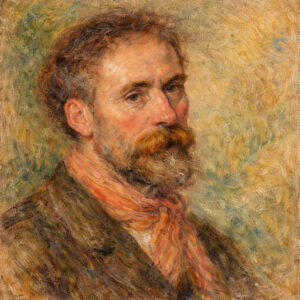
Picture a sun-drenched afternoon on the banks of the Seine, somewhere around 1881. A long wooden table stretches across a covered terrace, cluttered with wine bottles, half-eaten fruit, and the remnants of a cheerful meal. Men in straw hats lean toward laughing women. A young woman in the foreground lifts a small dog toward her face with an expression of…
Ten artists · ten direct starting points
This guide is a focused editorial selection. For every painter and available work, continue to the complete artists A–Z directory.
 Leonardo da Vinci
Mona Lisa by Leonardo da Vinci
Leonardo da Vinci
Mona Lisa by Leonardo da Vinci
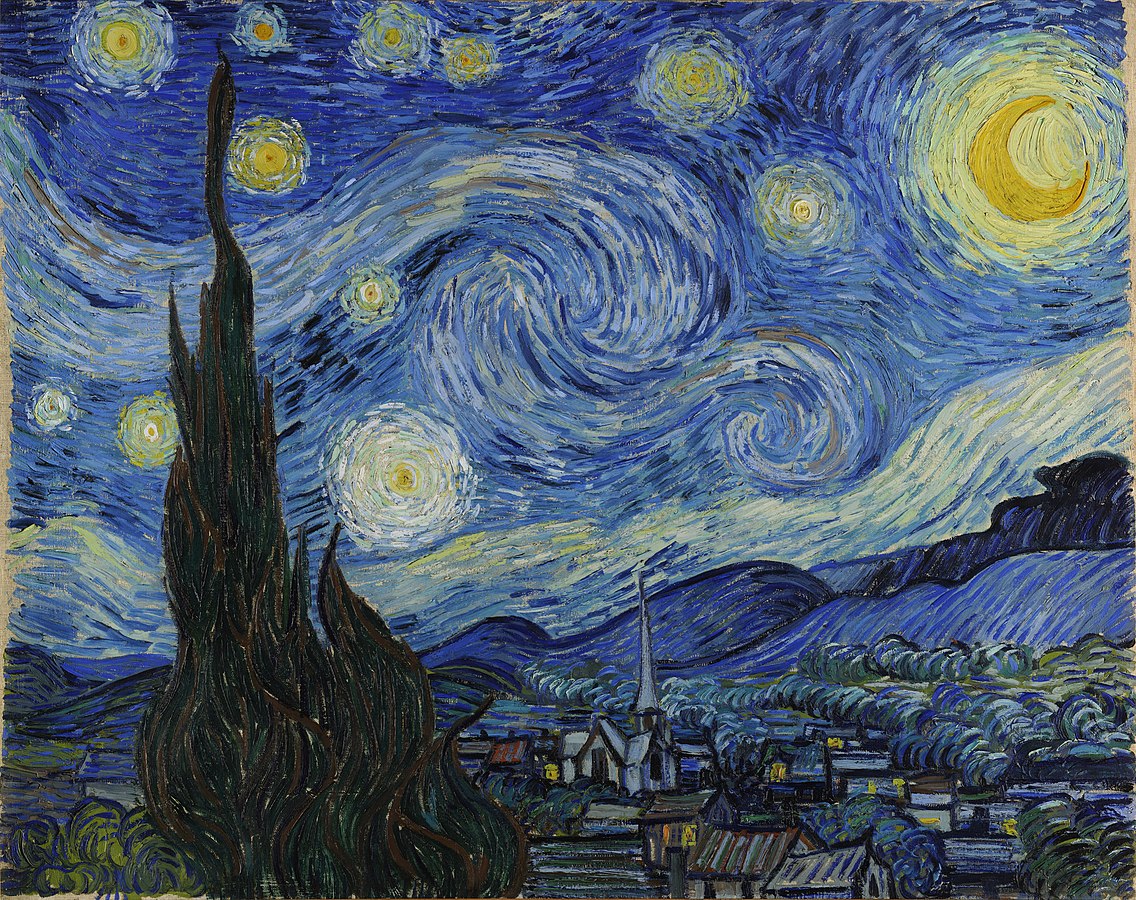 Vincent van Gogh
The Starry Night by Van Gogh
Vincent van Gogh
The Starry Night by Van Gogh
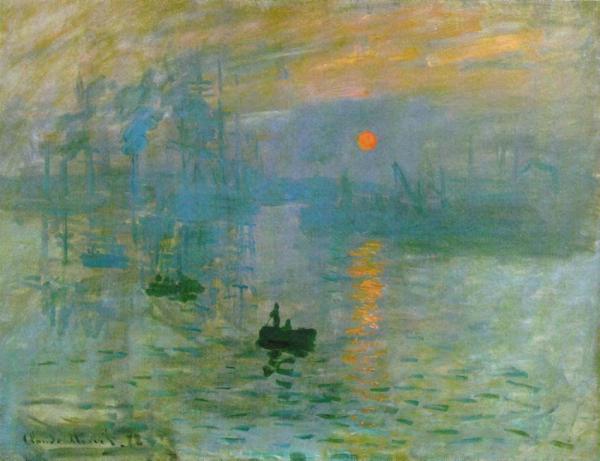 Claude Monet
Impression, Sunrise by Monet
Claude Monet
Impression, Sunrise by Monet
 Rembrandt van Rijn
The Anatomy Lesson of Dr. Nicolaes Tulp by Rembrandt
Rembrandt van Rijn
The Anatomy Lesson of Dr. Nicolaes Tulp by Rembrandt
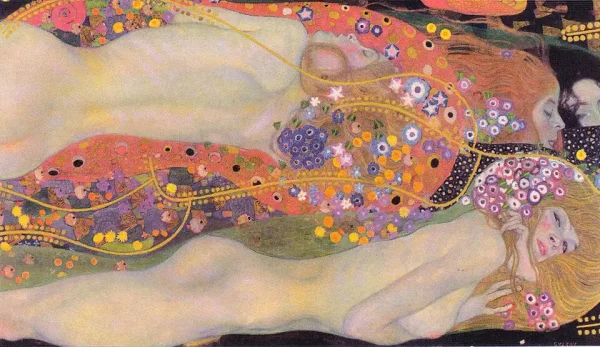 Gustav Klimt
Water Serpents II
Gustav Klimt
Water Serpents II
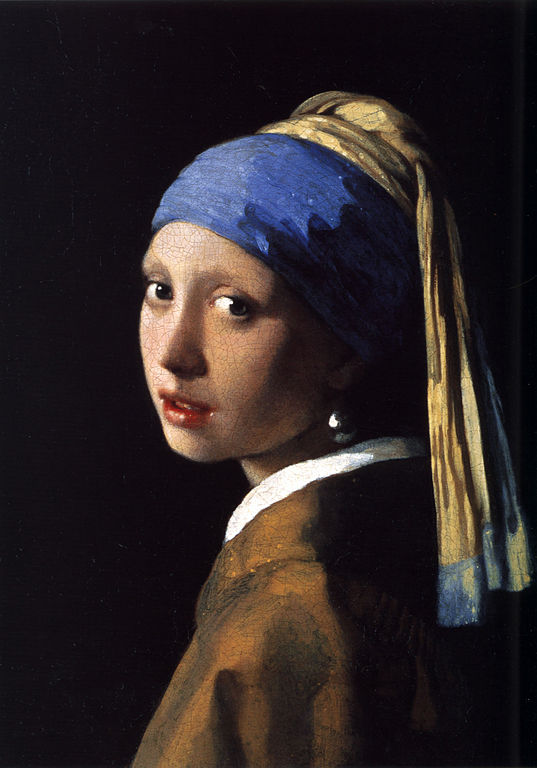 Johannes Vermeer
Girl with a Pearl Earring by Vermeer
Johannes Vermeer
Girl with a Pearl Earring by Vermeer
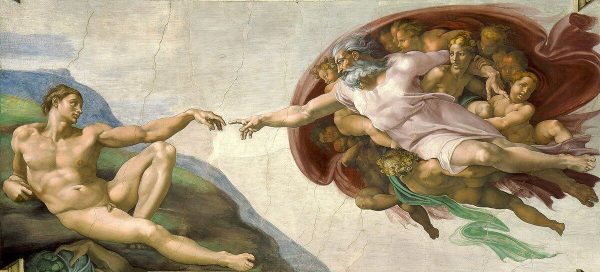 Michelangelo Buonarroti
The Creation of Adam by Michelangelo
Michelangelo Buonarroti
The Creation of Adam by Michelangelo
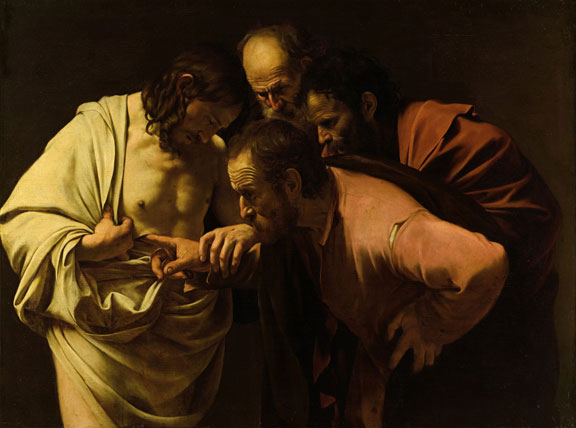 Caravaggio
The Incredulity of Saint Thomas
Caravaggio
The Incredulity of Saint Thomas
 Paul Cezanne
The Card Players
Paul Cezanne
The Card Players
 Pierre-Auguste Renoir
Luncheon of the Boating Party by Renoir
Pierre-Auguste Renoir
Luncheon of the Boating Party by Renoir