Loading cart…
No products in the cart.

A ByMuseum Masterpiece Series · Halloween
The museum has closed. The lights are off. Thirteen paintings that have frightened people for centuries are still on the walls, and three side rooms nobody visits in daylight: the skulls, the ghosts, the blood. You have one candle.
Enter the galleryPainters were frightening people long before films could. A god eating his child, a demon on a sleeping woman, a scream nobody hears. Each hangs in an ordinary museum, next to the landscapes. Tonight they have the building to themselves.
 1. Saturn Devouring His Son
He painted it on the wall of his own dining room, and ate in front of it.
Continue down the corridor
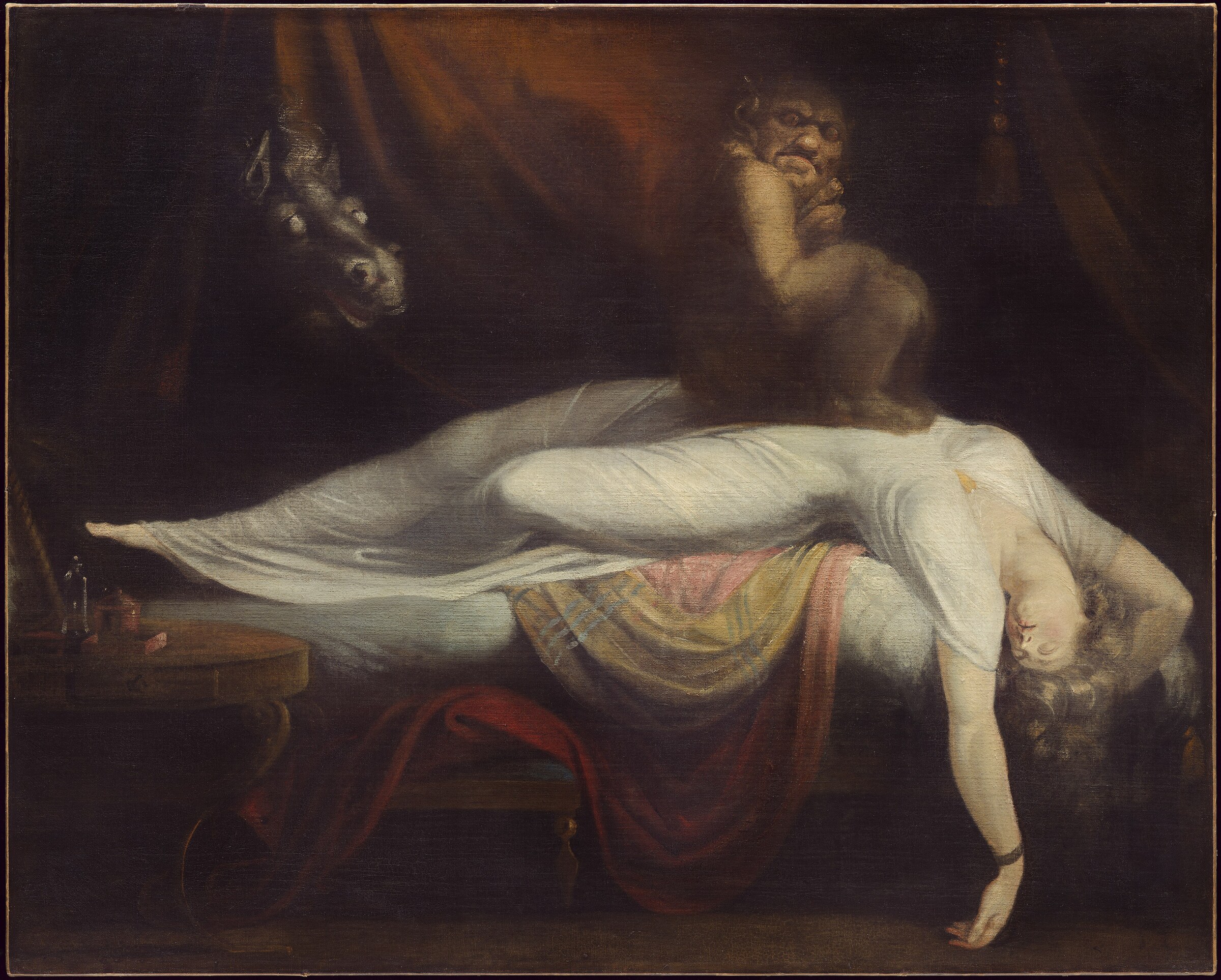 2. The Nightmare
The demon on her chest is not looking at her. He is looking at you.
Continue down the corridor
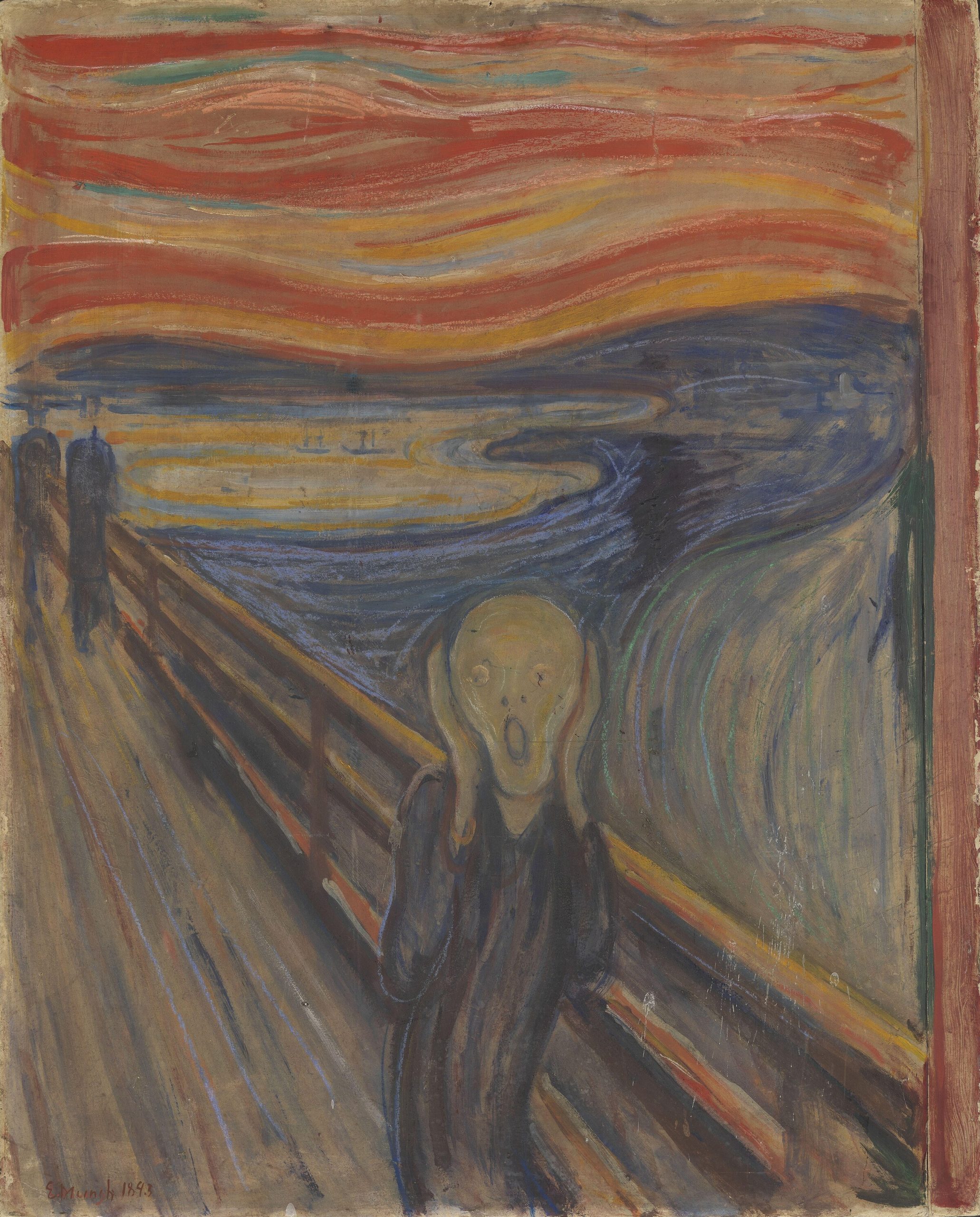 3. The Scream
The scream is not coming from the figure. The figure is trying to keep it out.
Continue down the corridor
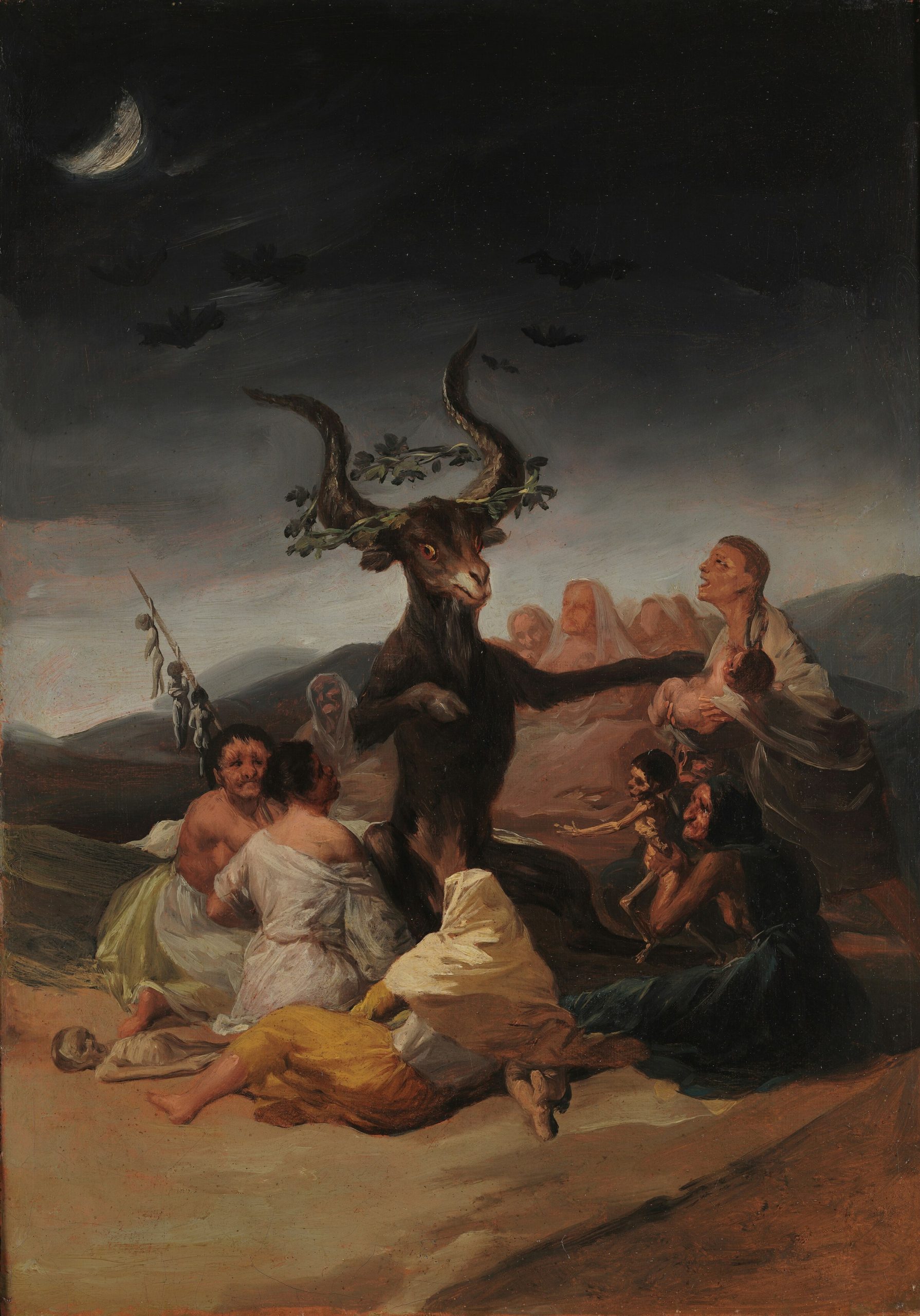 4. Witches' Sabbath
Count the small bodies on the stick. Then look at what the mother is holding up.
Continue down the corridor
 5. The Triumph of Death
An army of skeletons, a burning country, and one couple who have not noticed yet.
Continue down the corridor
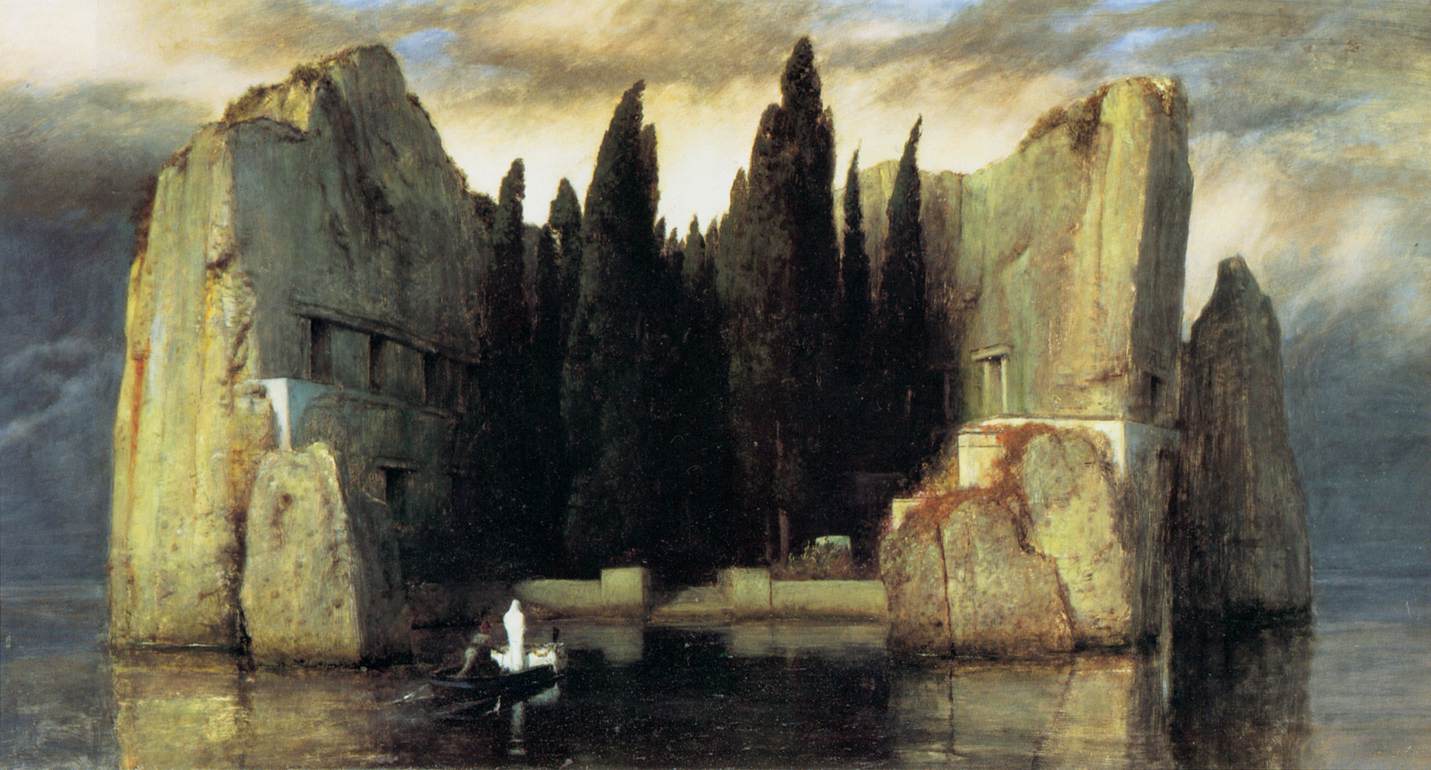 6. Isle of the Dead
A rowing boat, a figure in white, a coffin, and an island where nothing moves.
Continue down the corridor
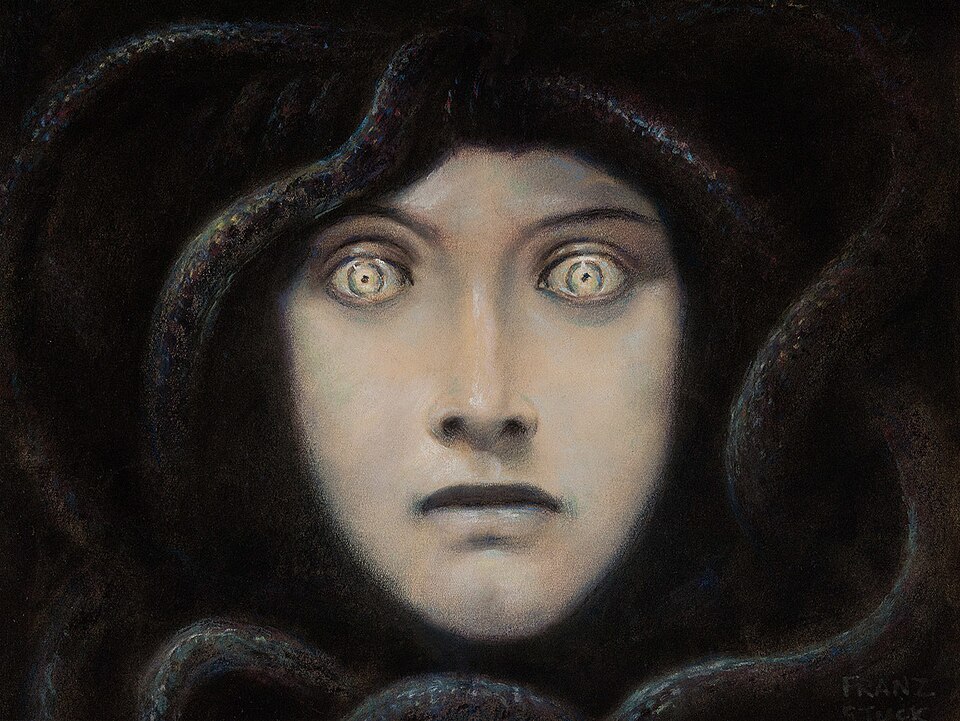 7. Head of Medusa
Continue down the corridor
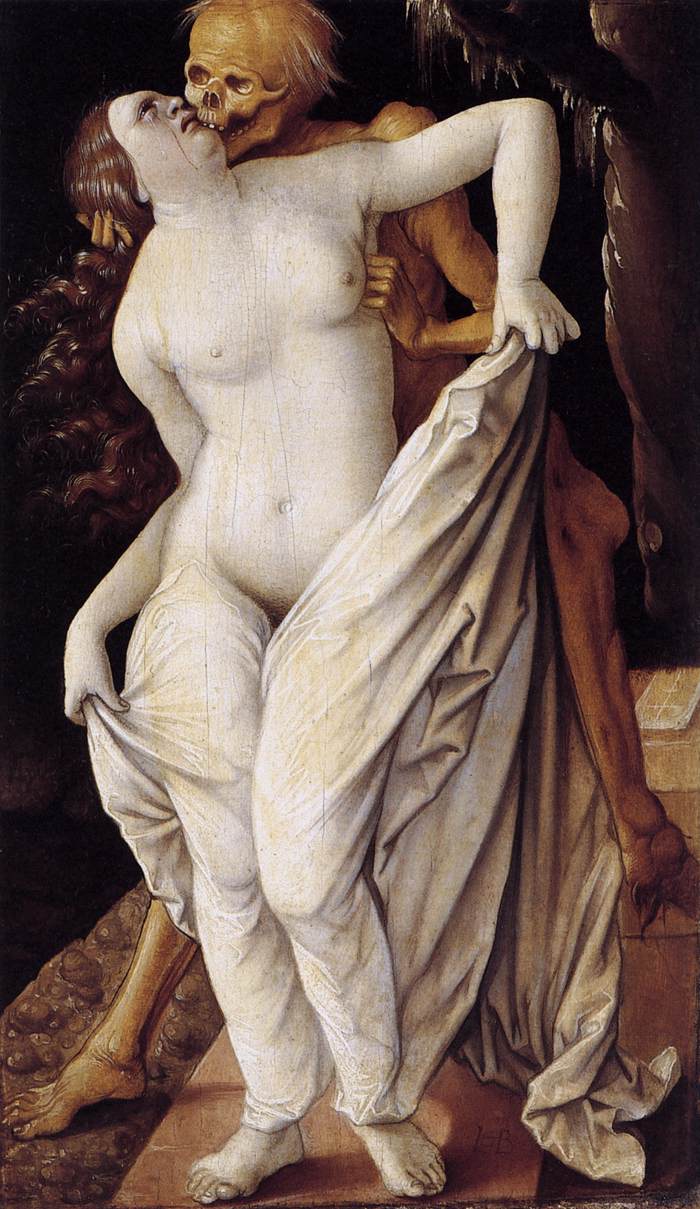 8. Death and the Maiden
He has her by the hair and is pointing at the grave. She has stopped fighting.
Continue down the corridor
 9. Fallen Angels in Hell
Hell, by the man who painted the end of the world for a living.
Continue down the corridor
 10. Dulle Griet
A woman in armour, sword drawn, raiding the mouth of hell with a frying pan.
Continue down the corridor
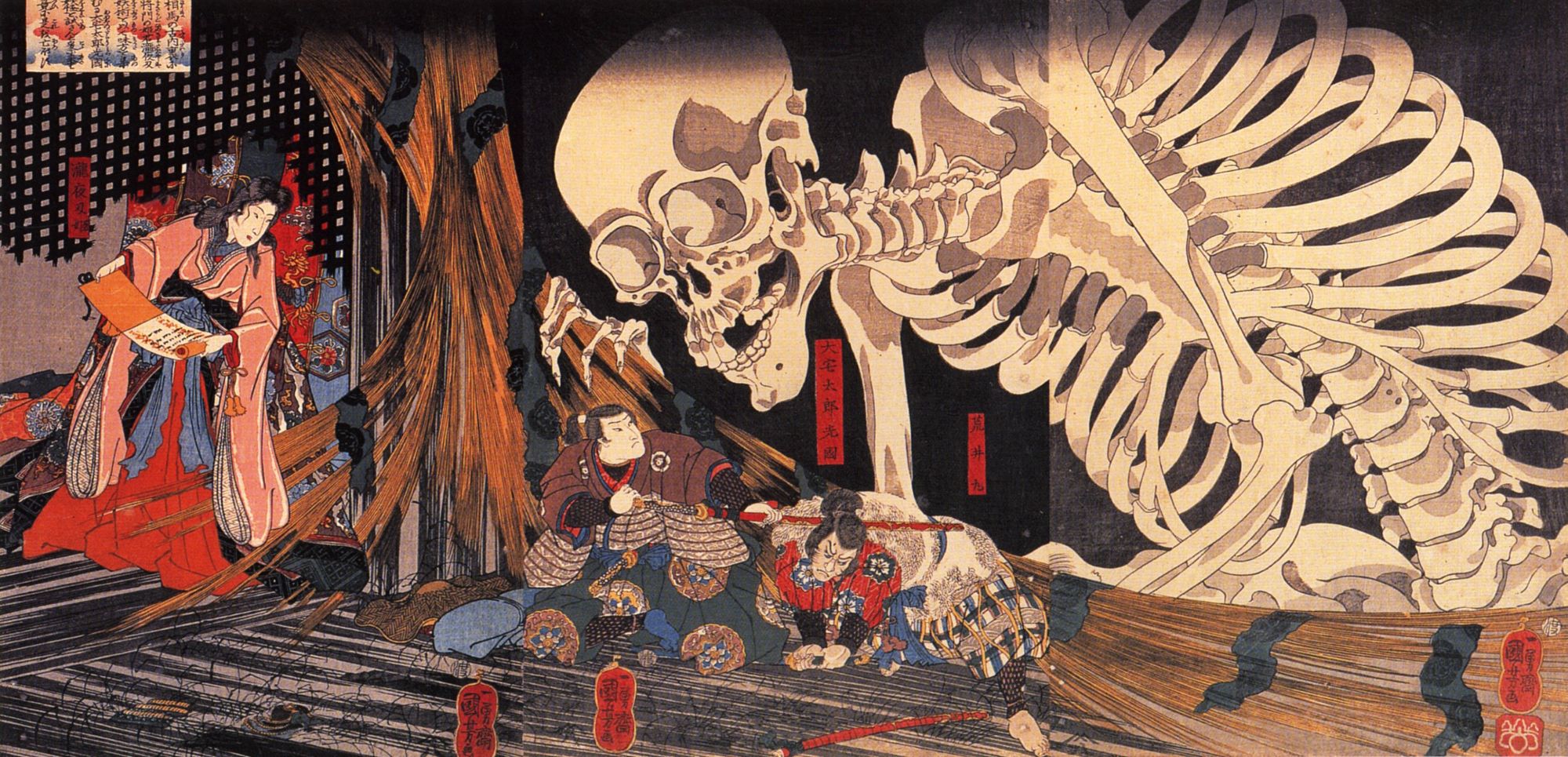 11. The Skeleton Spectre
A skeleton the size of a house, summoned by a princess reading a scroll.
Continue down the corridor
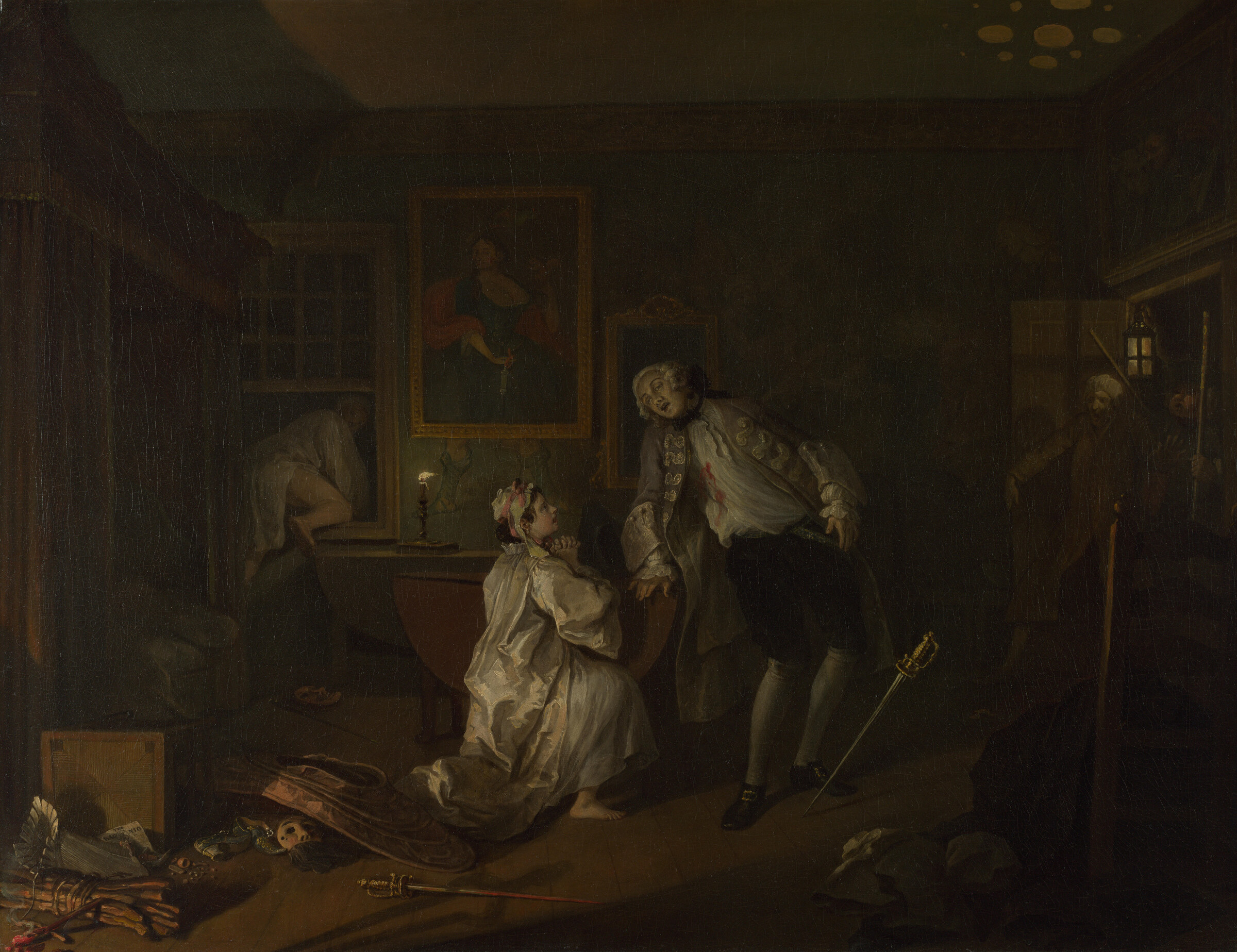 12. The Bagnio
One candle, one sword on the floor, one man halfway out of the window.
Continue down the corridor
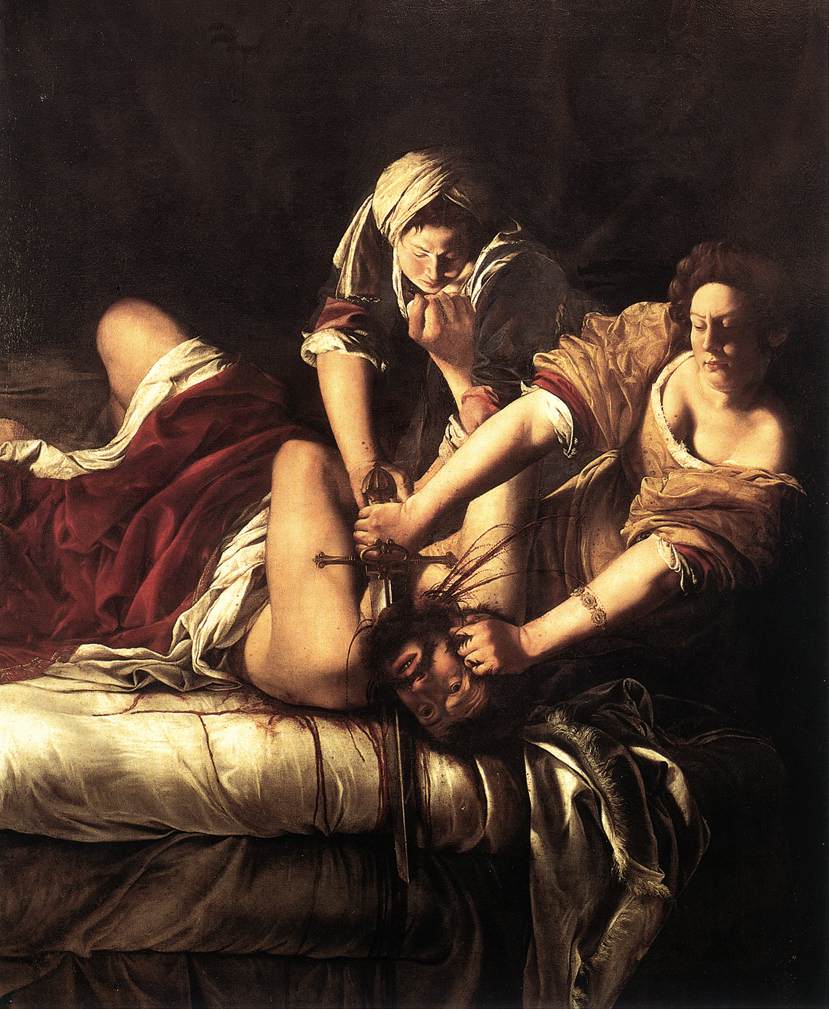 13. Judith Slaying Holofernes
She painted it after the trial, and gave Judith her own face.
The end of the corridor. Three side rooms are still open.
Side room · Vanitas
Four centuries of painters putting a skull on the table to remind the buyer that the buyer would die. Some of them made it beautiful, which was the point.
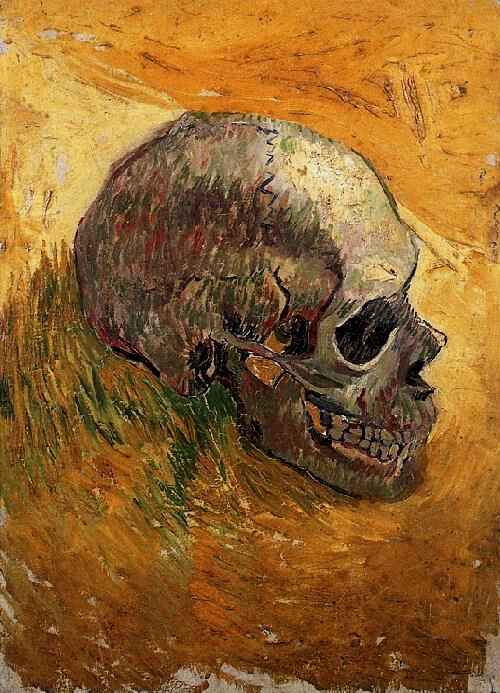 SkullVan Gogh, 1887
 Boy with a SkullCézanne, c. 1896
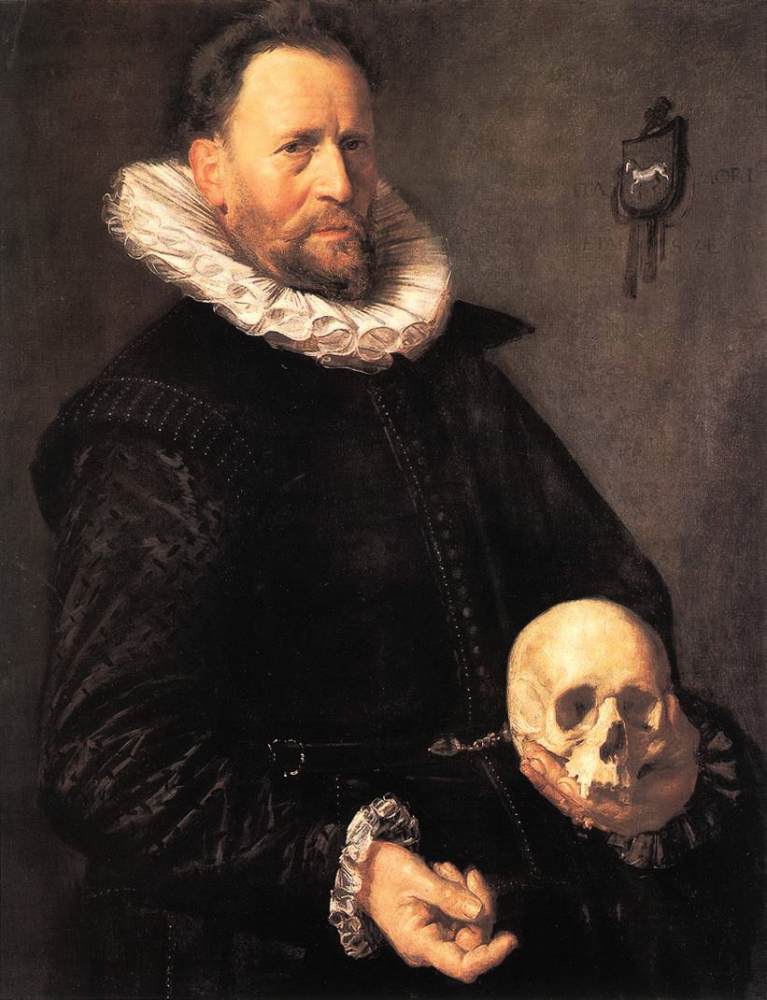 Man Holding a SkullFrans Hals, c. 1611
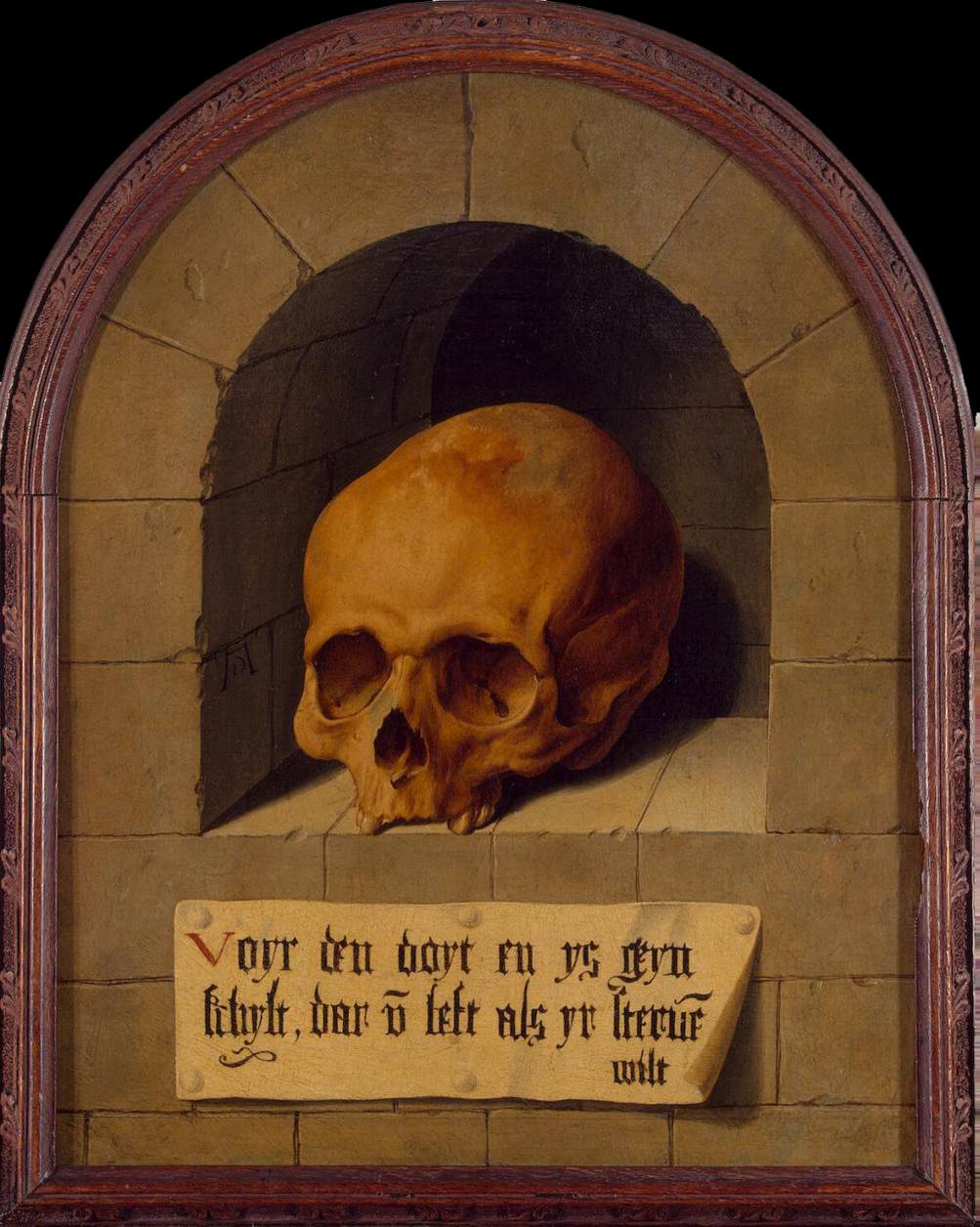 Skull in a NicheBarthel Bruyn, c. 1524
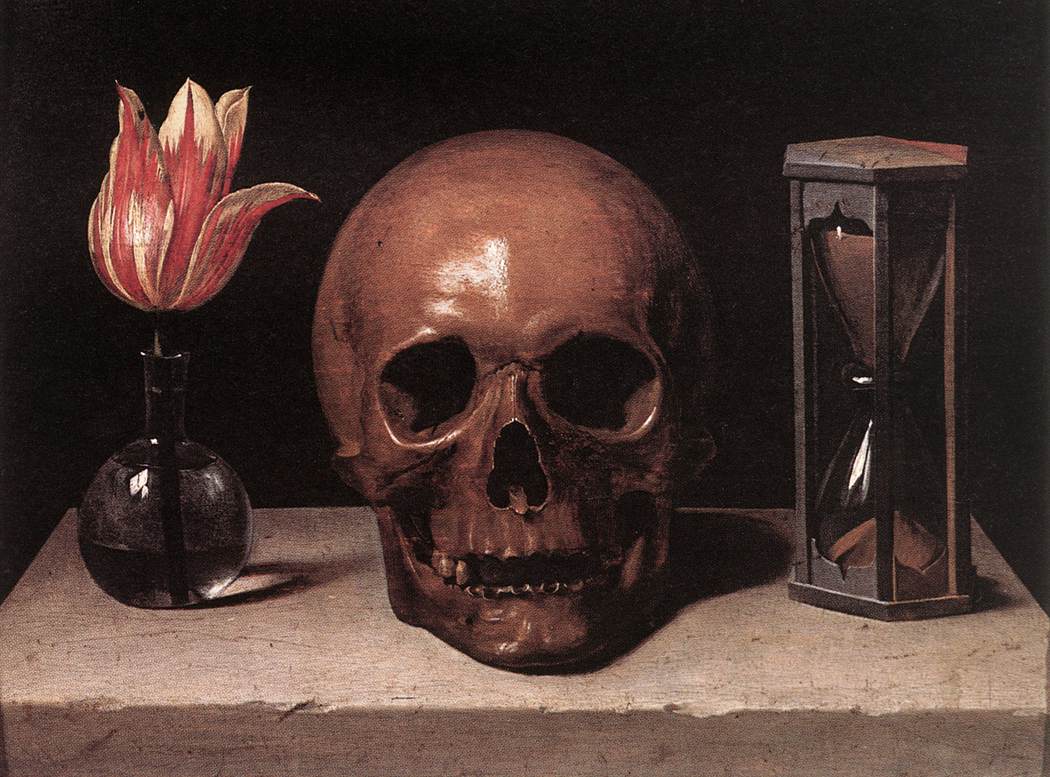 Still Life with a SkullChampaigne, c. 1671
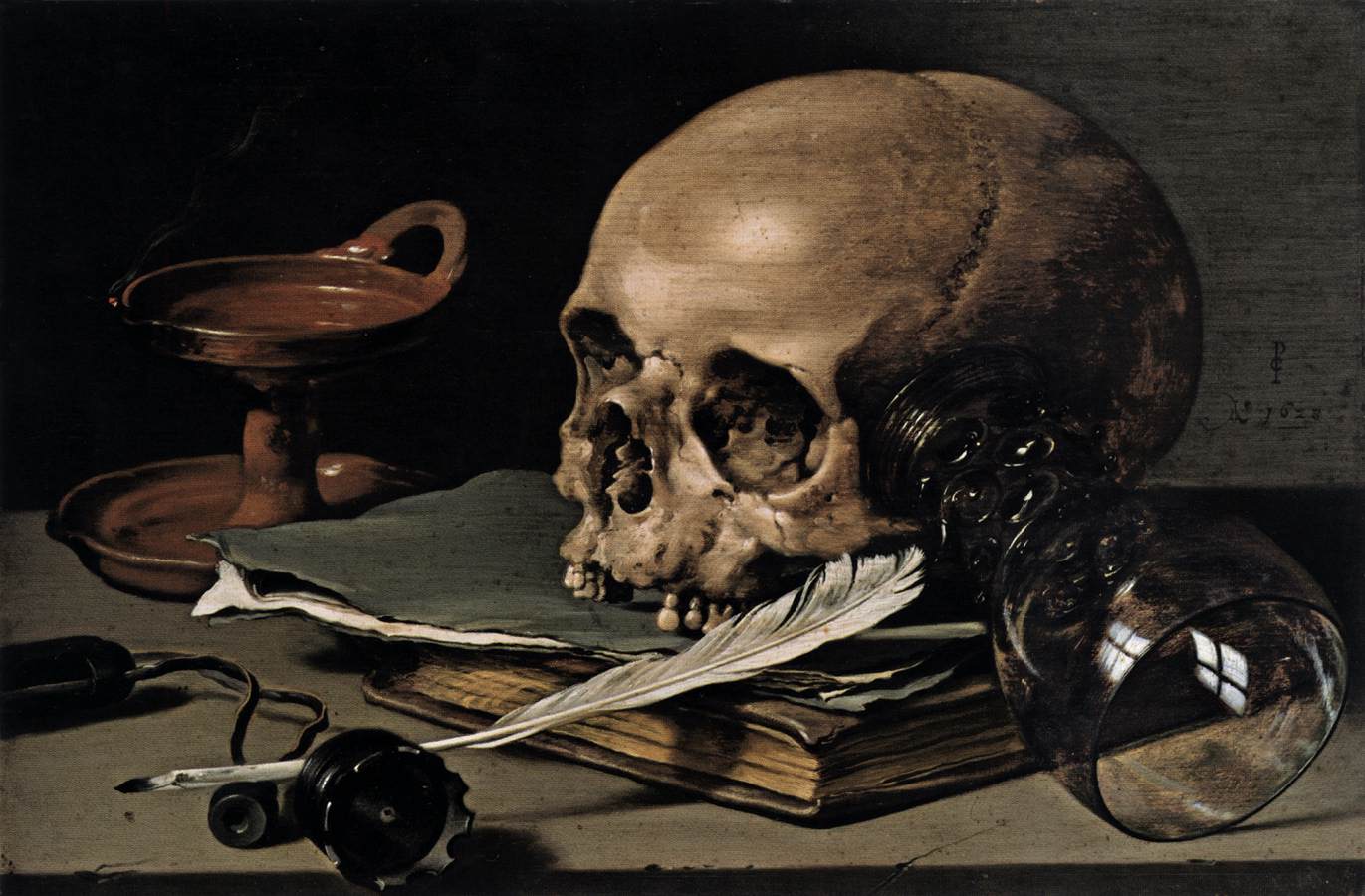 Skull and Writing QuillPieter Claesz, 1628
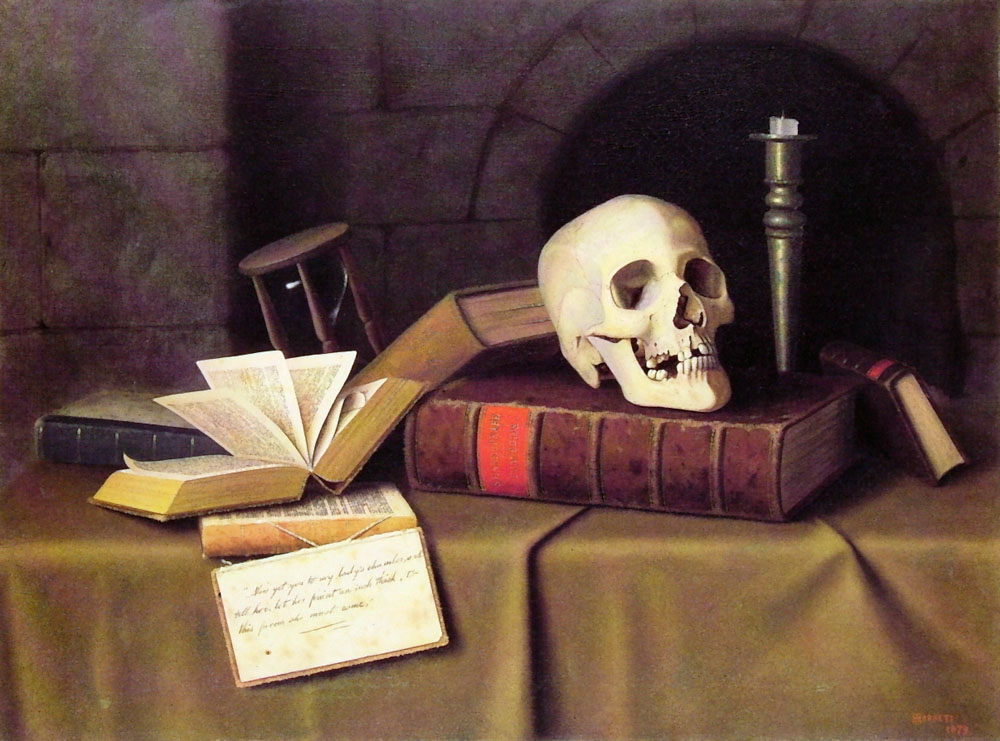 Memento MoriHarnett, 1879
 Self-Portrait with SkeletonLovis Corinth, 1896
 Death and LifeKlimt, 1915
 Death and the MiserBosch, c. 1490
 Large VanitasPieter Boel, 1663
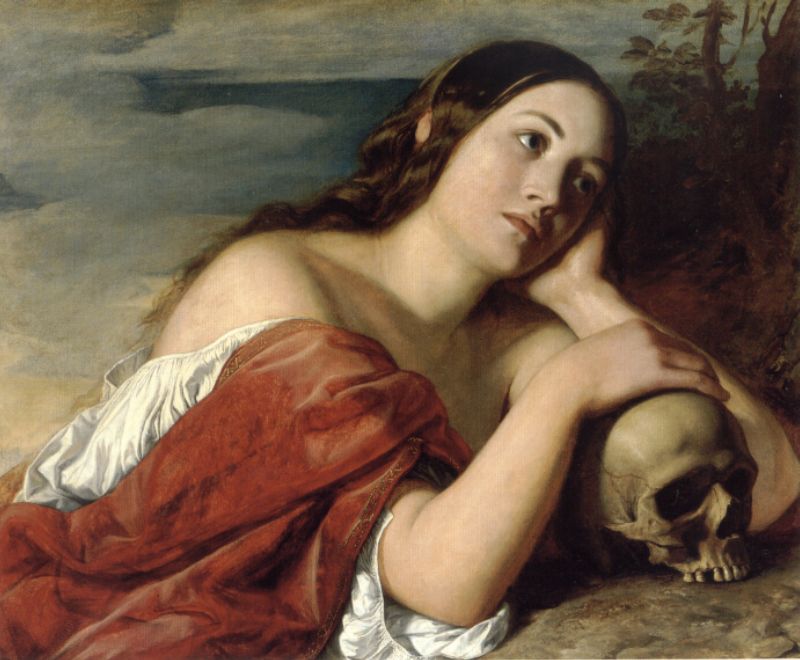 Omnia VanitasWilliam Dyce, 1848
Side room · Ghosts and apparitions
The dead do not stay in their paintings. A ghost with a baby on a mountain road, a cat the size of a house, a prophet called up from the grave, and the one Gauguin's wife saw at the foot of the bed.
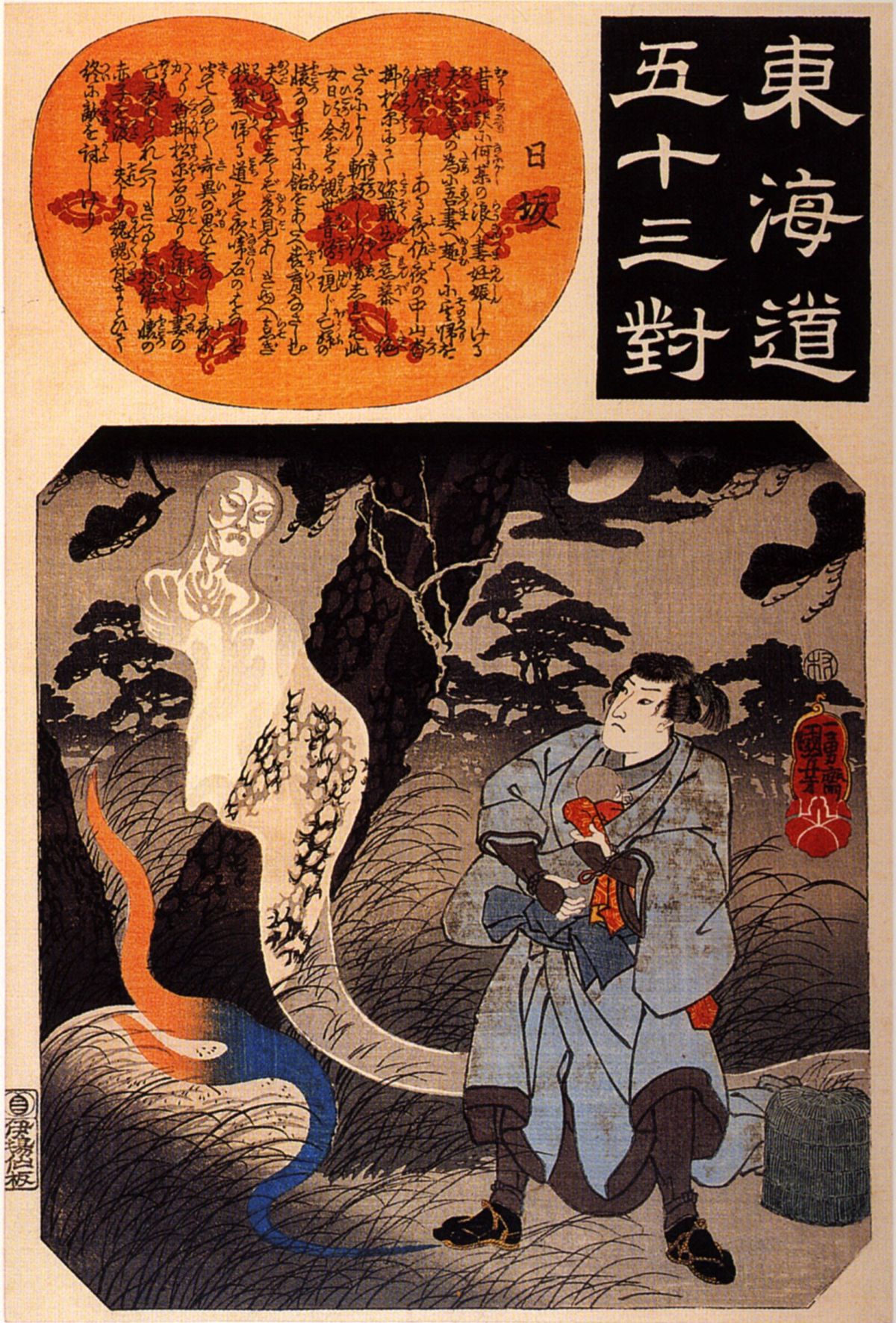 A Ghost on the Nissaka RoadKuniyoshi, c. 1845
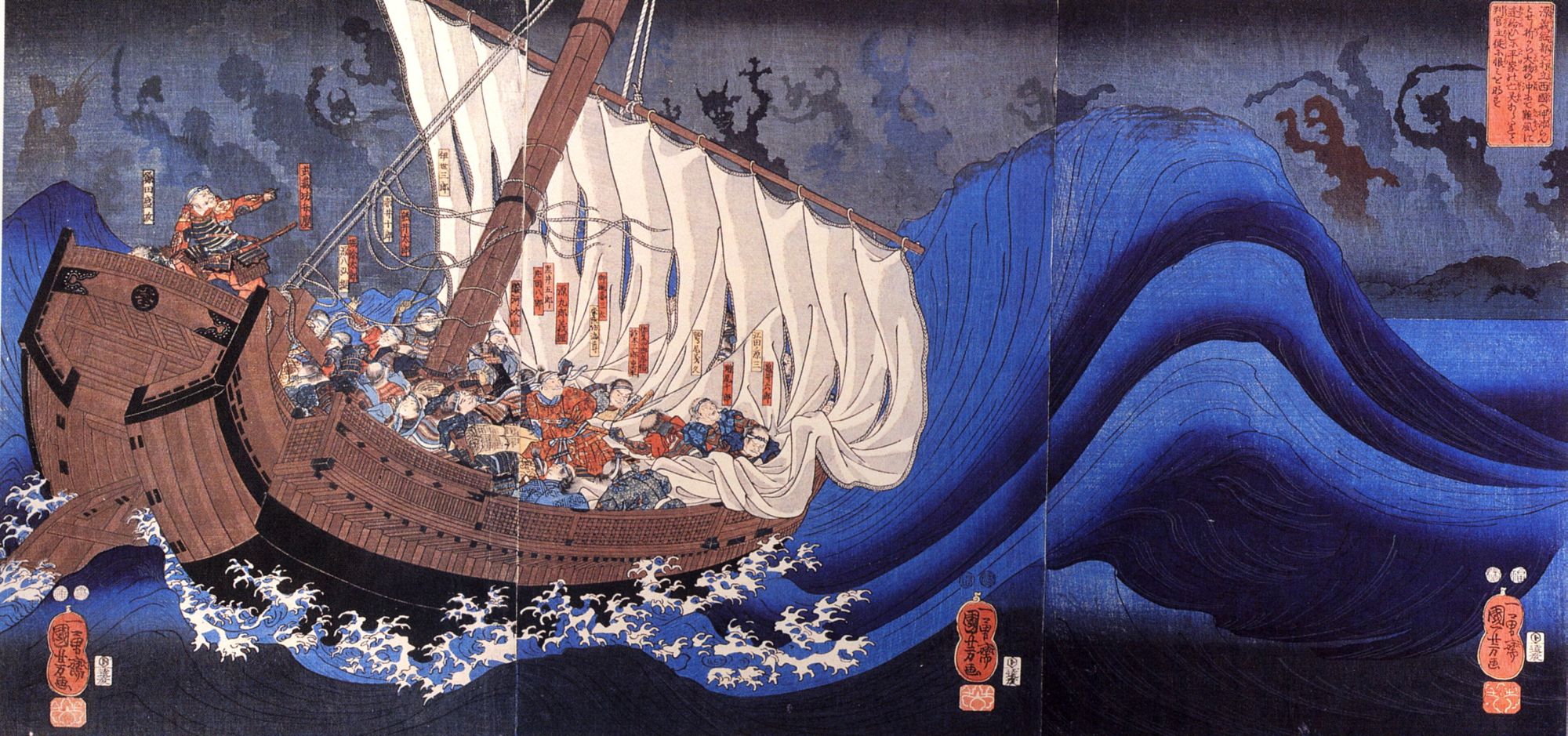 The Taira GhostsKuniyoshi, c. 1845
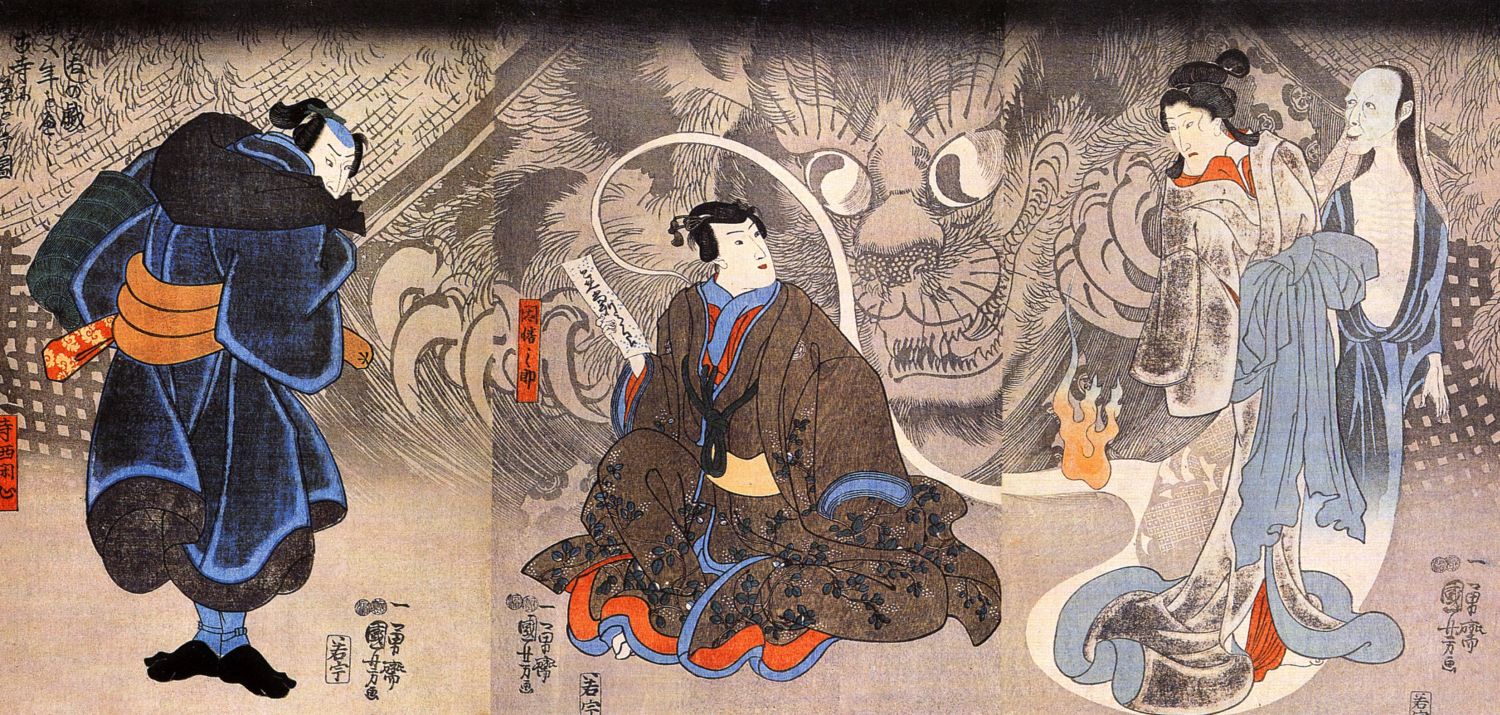 The Monstrous CatKuniyoshi, c. 1847
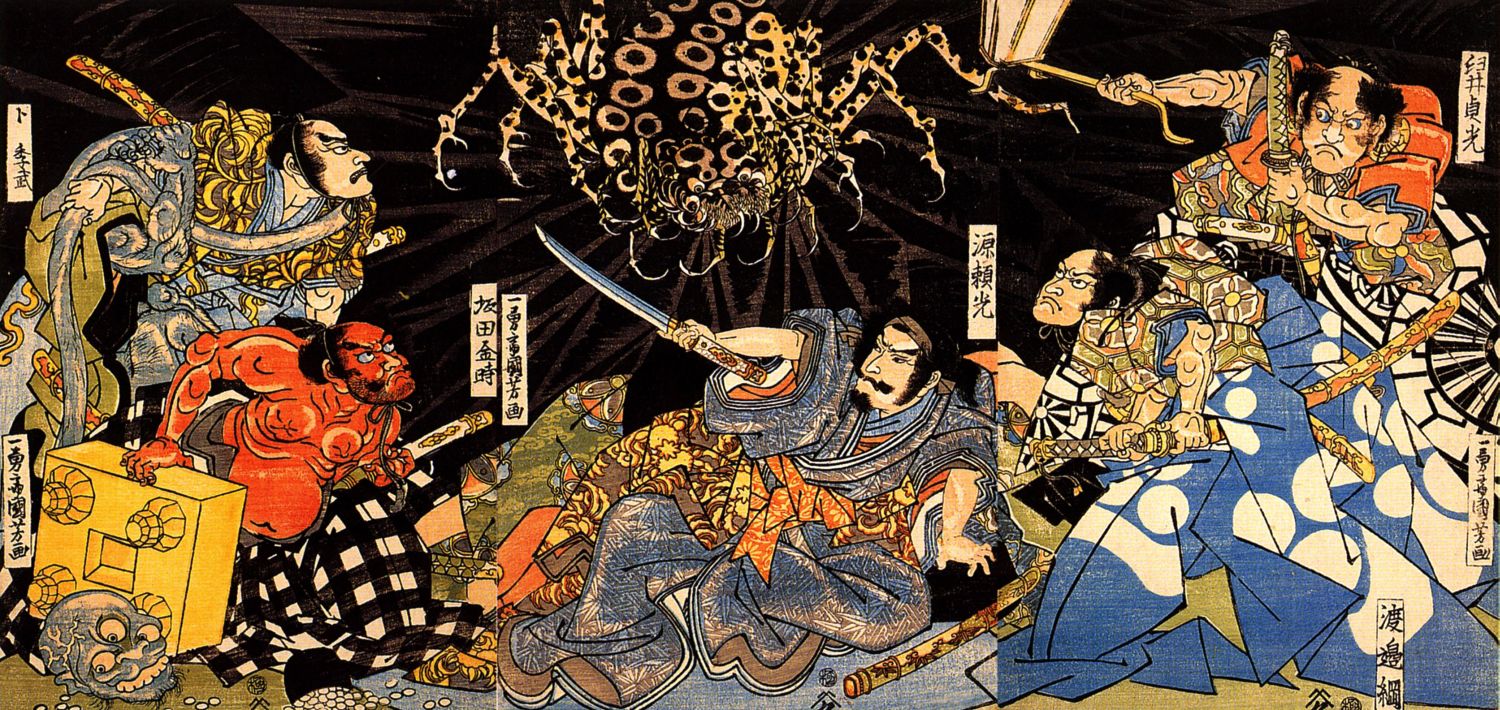 The Earth SpiderKuniyoshi, 1843
 The Spirit of SamuelSalvator Rosa, 1668
 Saul and the Witch of EndorStomer, c. 1635
 Saul and the Witch of Endorvan Oostsanen, 1526
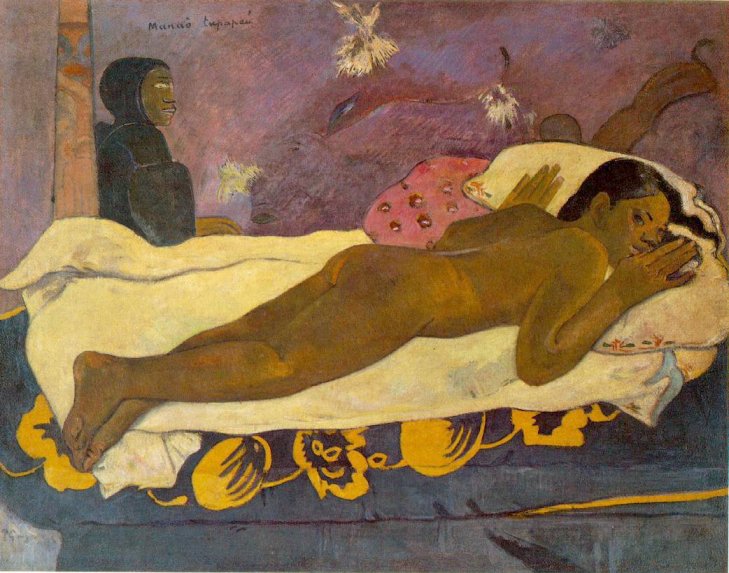 Spirit of the Dead WatchingGauguin, 1892
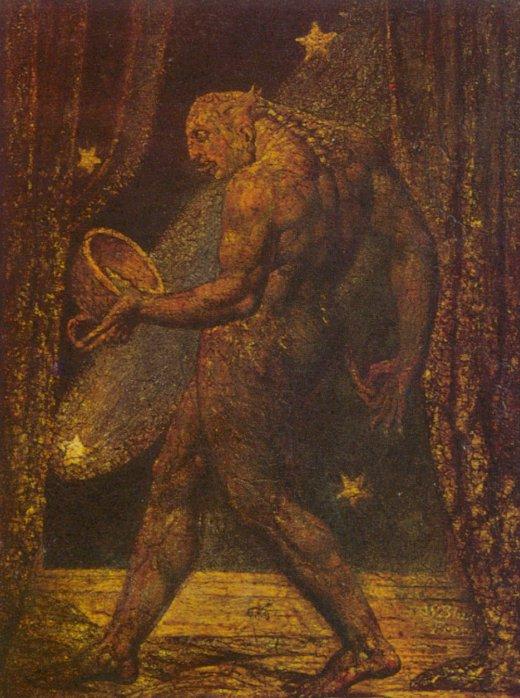 The Ghost of a FleaBlake, c. 1820
 The ApparitionMoreau, 1876
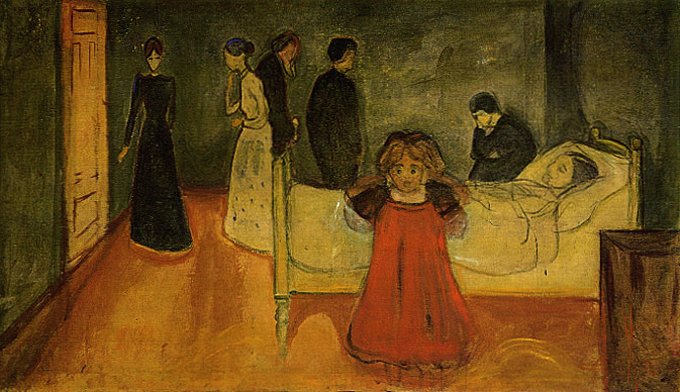 The Dead MotherMunch, 1899
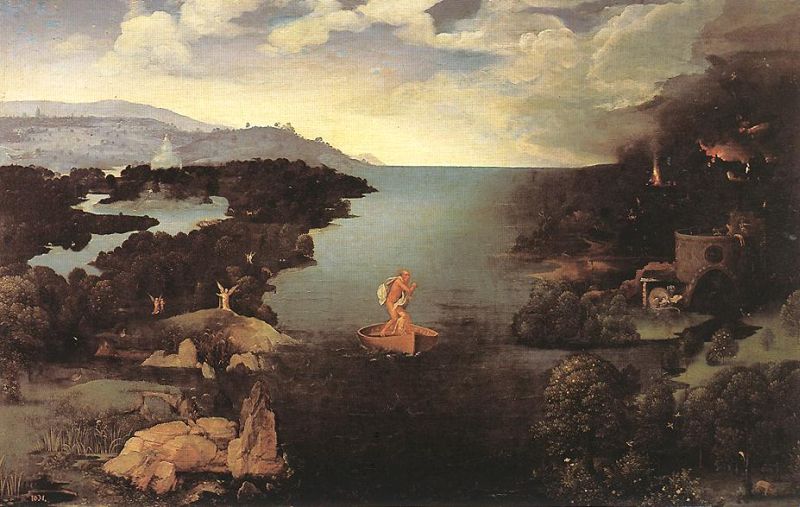 Charon Crossing the StyxPatinir, c. 1520
Side room · Blood
Not for everyone. Géricault borrowed heads from the morgue to paint these; Artemisia took her revenge in oil; David painted his friend in the bath the day after.
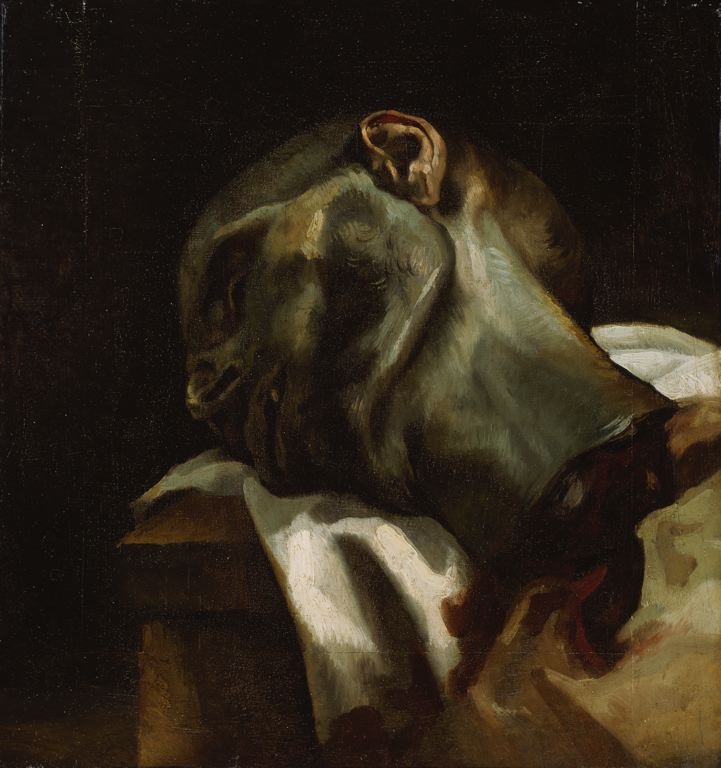 Head of a Guillotined ManGéricault, 1818
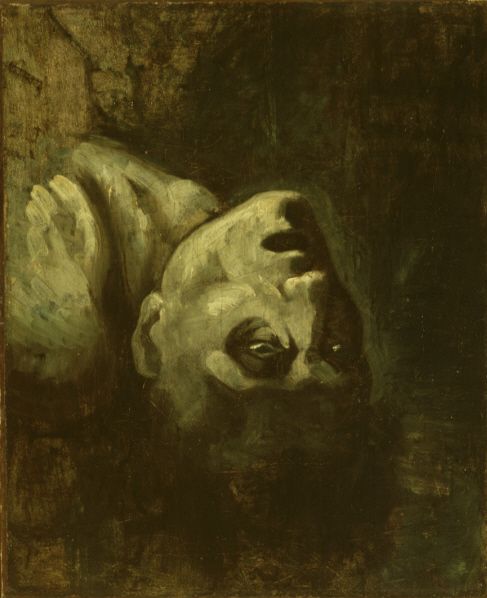 Head of a Drowned ManGéricault, 1819
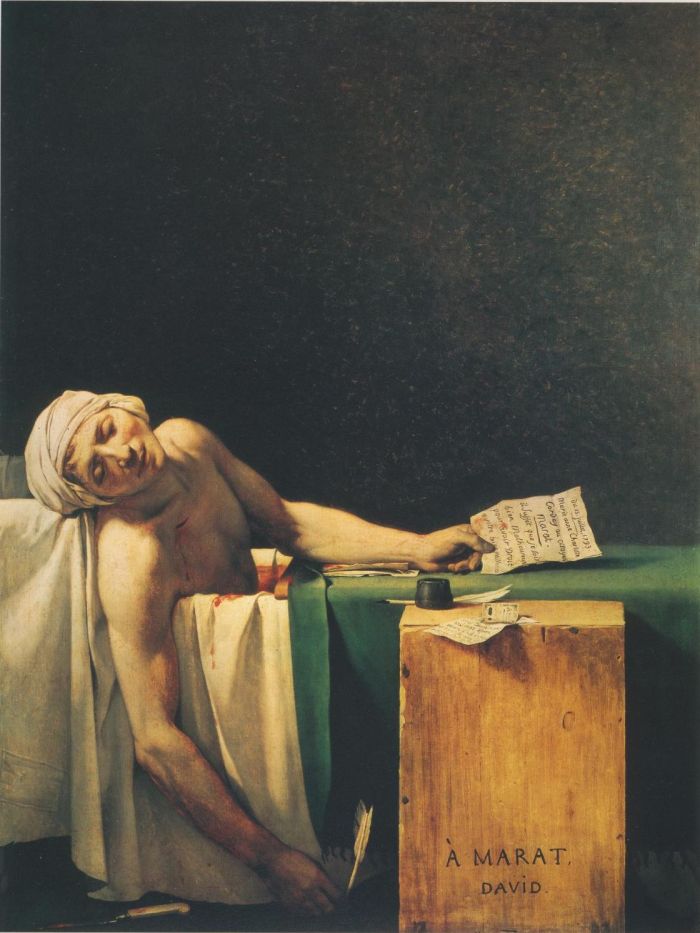 The Death of MaratDavid, 1793
 The Execution of Lady Jane GreyDelaroche, 1833
 Massacre of the InnocentsBruegel, c. 1565
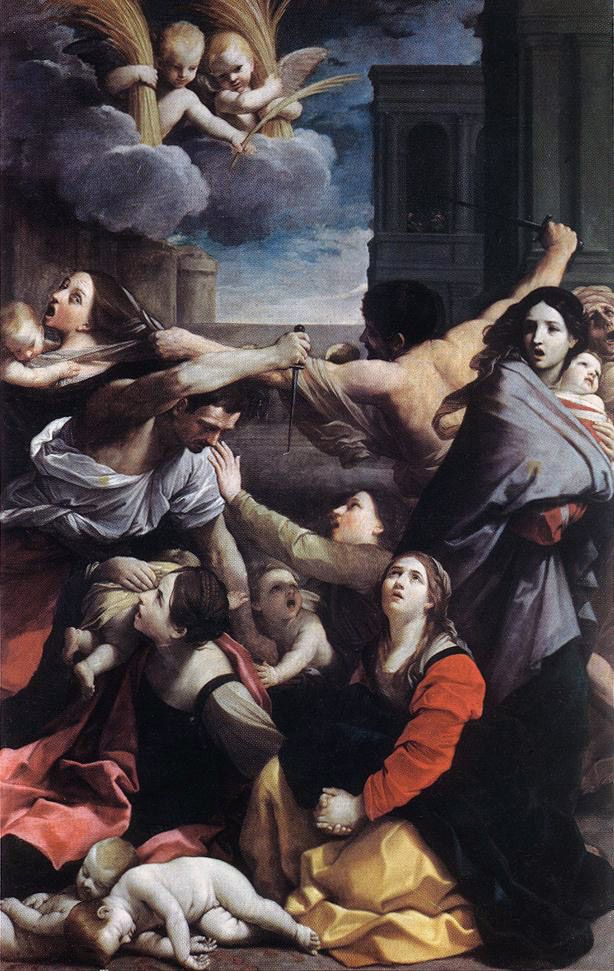 Massacre of the InnocentsGuido Reni, 1611
 The Garden of Earthly DelightsBosch, c. 1500
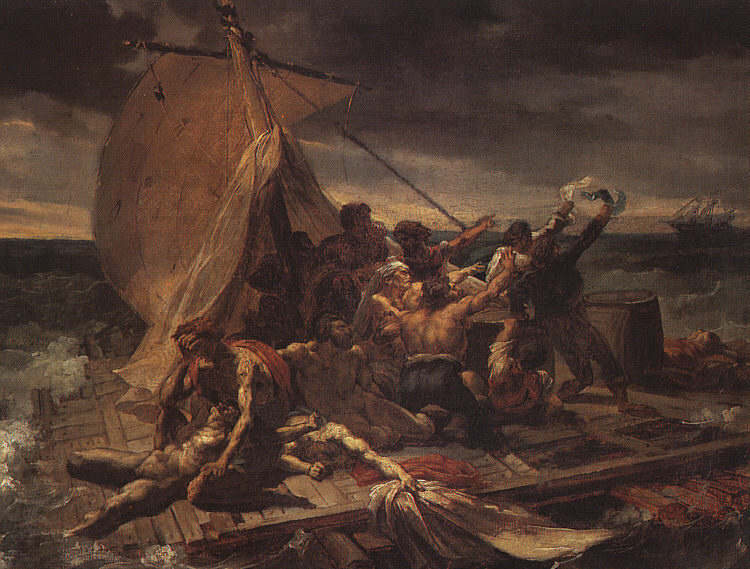 Study for the Raft of the MedusaGéricault, 1818
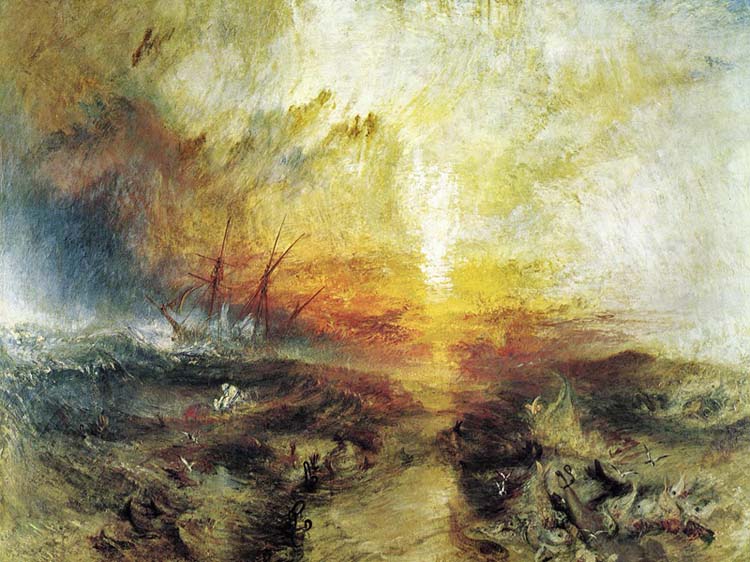 Slavers Throwing Overboard the DeadTurner, 1840
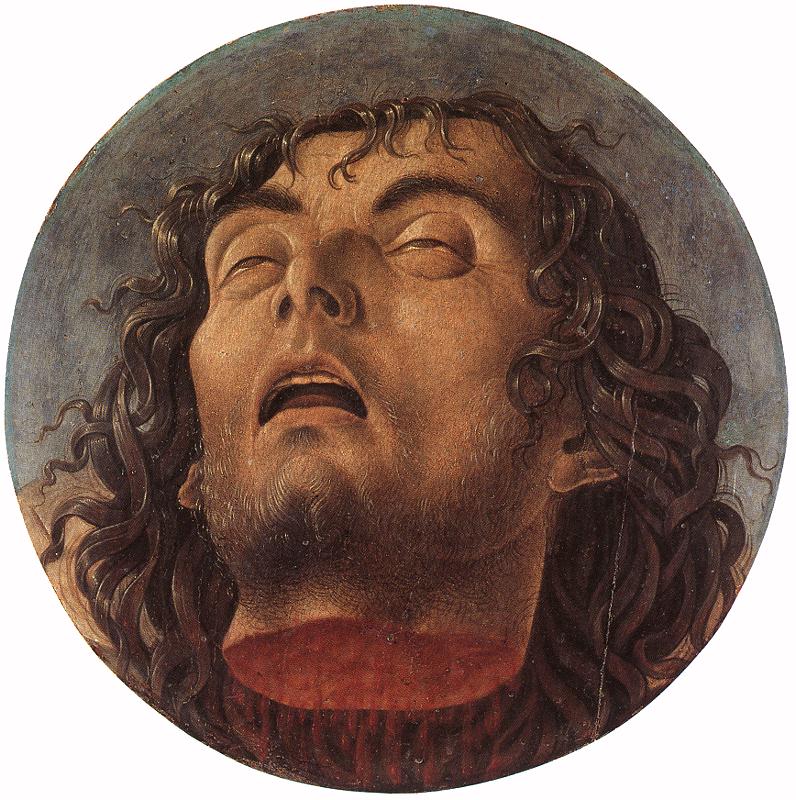 Head of Saint John the BaptistBellini, c. 1465
 CainLovis Corinth, 1917
 Judith and Her MaidservantArtemisia, c. 1625
A horror film has ninety minutes and a soundtrack. A painting has one frame and silence, and the frightening ones use that: they show you the second before or the second after, and make you supply the rest. Goya's Saturn is already eating; Fuseli's sleeper has not woken yet; Munch's figure is hearing something you cannot. The stillness is the trick. You can look away from a film. A painting waits.
The other thing they have is history. Goya painted his on the wall of the house where he lived alone and deaf. Fuseli's was in Freud's flat. Munch's was stolen twice and once had a note left in its place thanking the museum for the security. Artemisia painted Judith after her own trial for rape, and gave the heroine her face. The stories are behind each frame.
If you want the frightening ones as a set, read Saturn, then The Nightmare, then The Scream: a god, a demon and nothing at all, which is the history of horror in three paintings.
Each painting is made by hand in oil on canvas from the original. Order by early October to have it on the wall for Halloween.
1. Saturn Devouring His SonGoya, 1819 to 1823
2. The NightmareFuseli, 1781
3. The ScreamMunch, 1893
4. Witches' SabbathGoya, 1798
5. The Triumph of DeathBruegel, c. 1562
6. Isle of the DeadBöcklin, 1883
7. Head of MedusaFranz von Stuck, 1892
8. Death and the MaidenHans Baldung Grien, c. 1520
9. Fallen Angels in HellJohn Martin, c. 1841
10. Dulle GrietBruegel, 1563
11. The Skeleton SpectreKuniyoshi, c. 1844
12. The BagnioHogarth, c. 1743
13. Judith Slaying HolofernesArtemisia Gentileschi, c. 1620