Loading cart…
No products in the cart.

The meaning and history of famous paintings: what they show, where the originals hang, and how each one is recreated by hand in oil on canvas.
Millais painted his grandson watching a soap bubble in 1886; Pears soap turned the picture into one of the most famous adverts of its time.
The sorceress Medea walks through a marble palace with a small vase of poison, troubled rather than raging, in De Morgan’s 1889 painting.
Ulysses strains at the mast while bird-women Sirens swoop around his deaf crew: Waterhouse’s 1891 scene from the Odyssey.
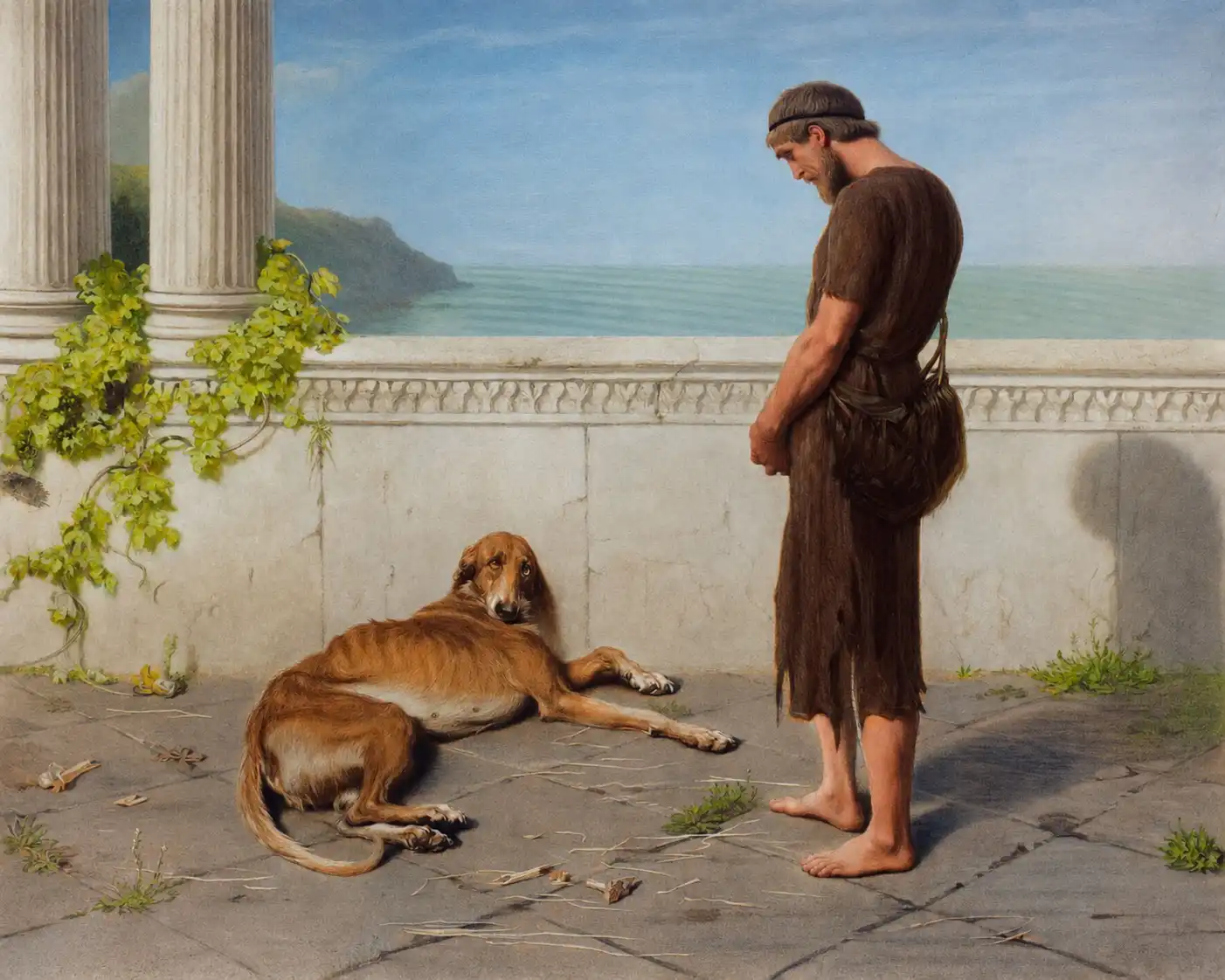
Ulysses and Argus depicts the moment from the Odyssey of Homer in which the long-absent hero, returned to Ithaca in disguise, is recognised only…
A blind musician turns her face to the sun while her sister looks back at a double rainbow: Millais’s Pre-Raphaelite picture of the senses.
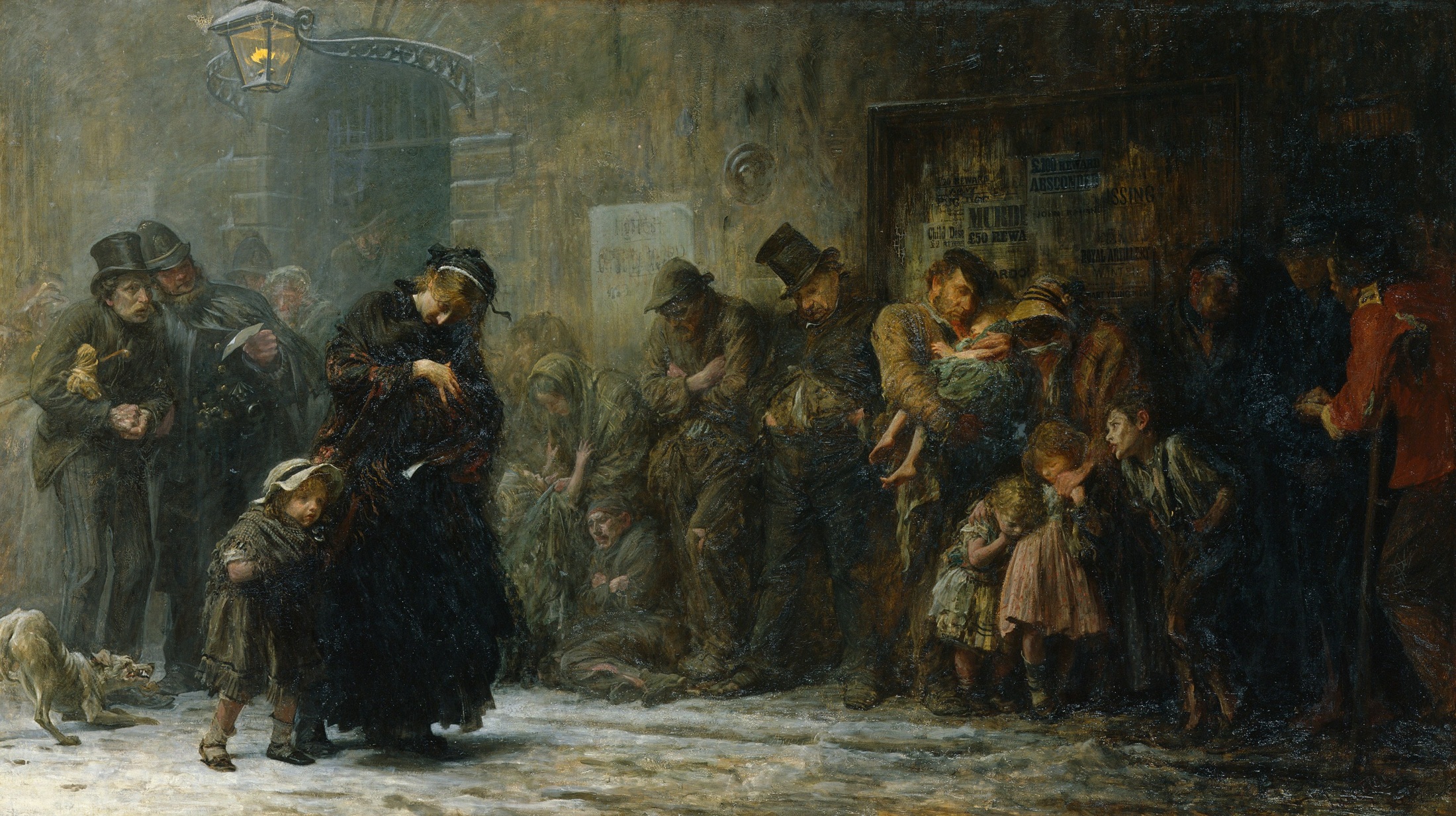
Discover Luke Fildes’s 1874 Casual Ward: a winter queue, children, admission tickets and the Victorian system behind a night’s shelter.
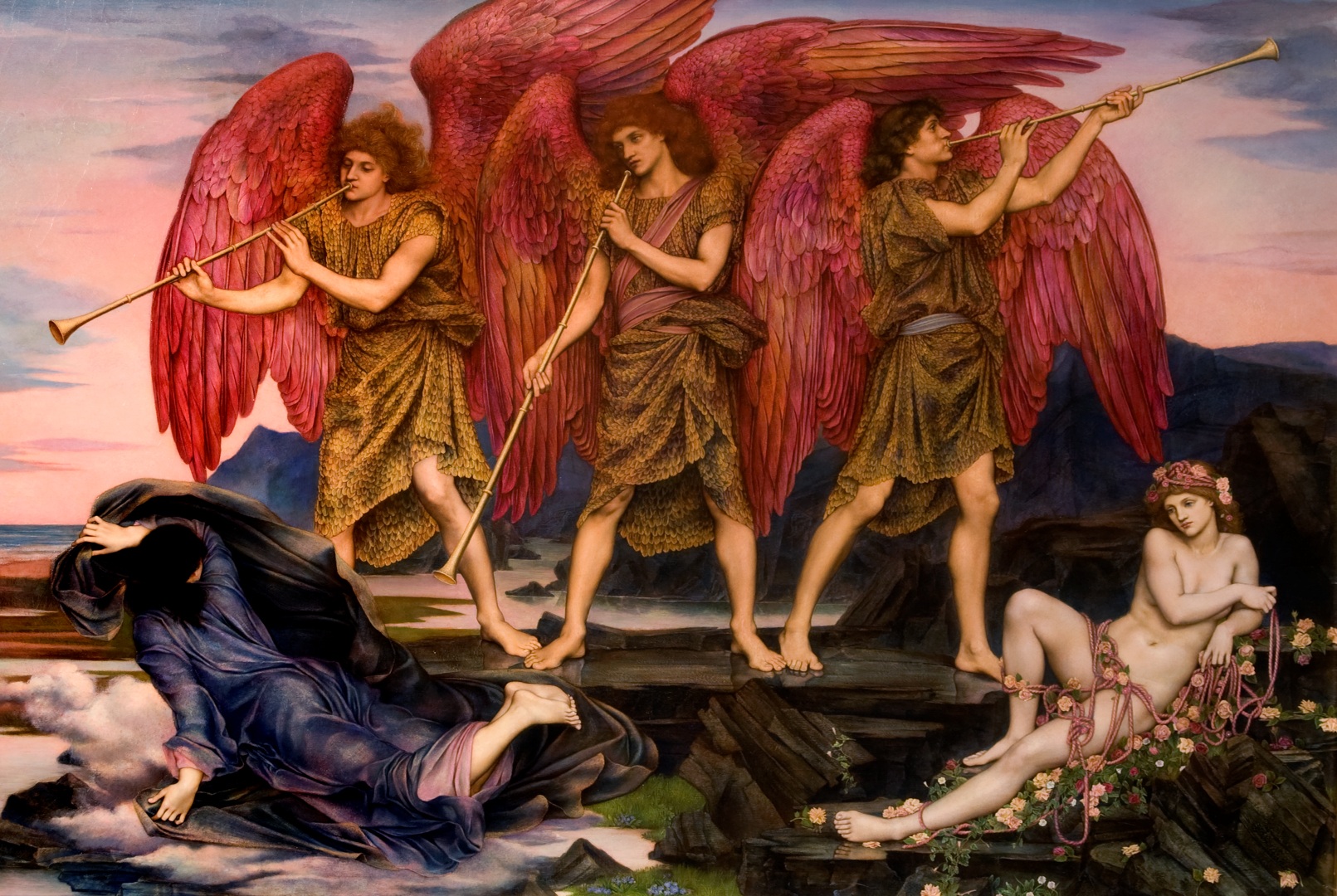
Explore Aurora Triumphans by Evelyn De Morgan: dawn loosening her bonds, departing Night, red-winged trumpeters and the artist’s recovered authorship.
The Lady of Shalott sets out on her last journey, candles guttering at the bow: Waterhouse’s 1888 painting of Tennyson’s poem.
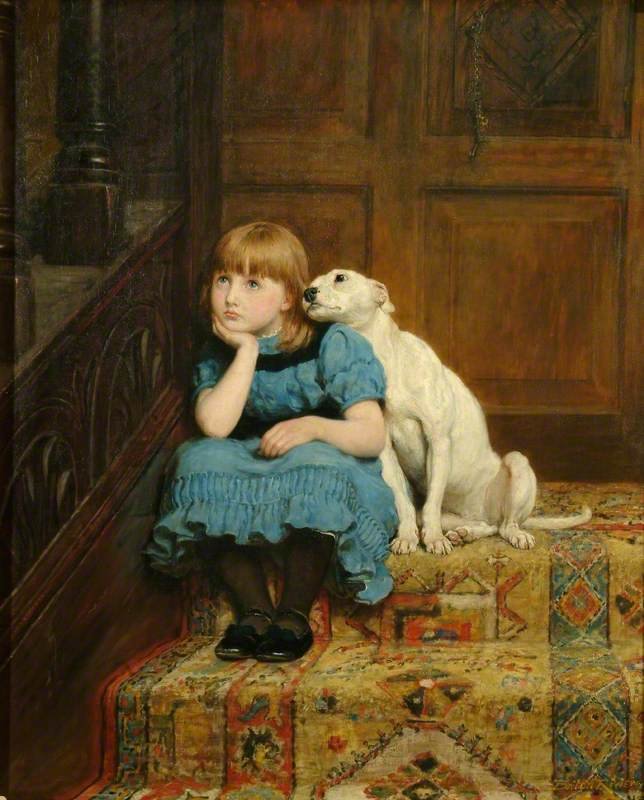
A girl sent to the stairs in disgrace and the bull terrier who comforts her: Rivière’s much-loved Sympathy of 1877.
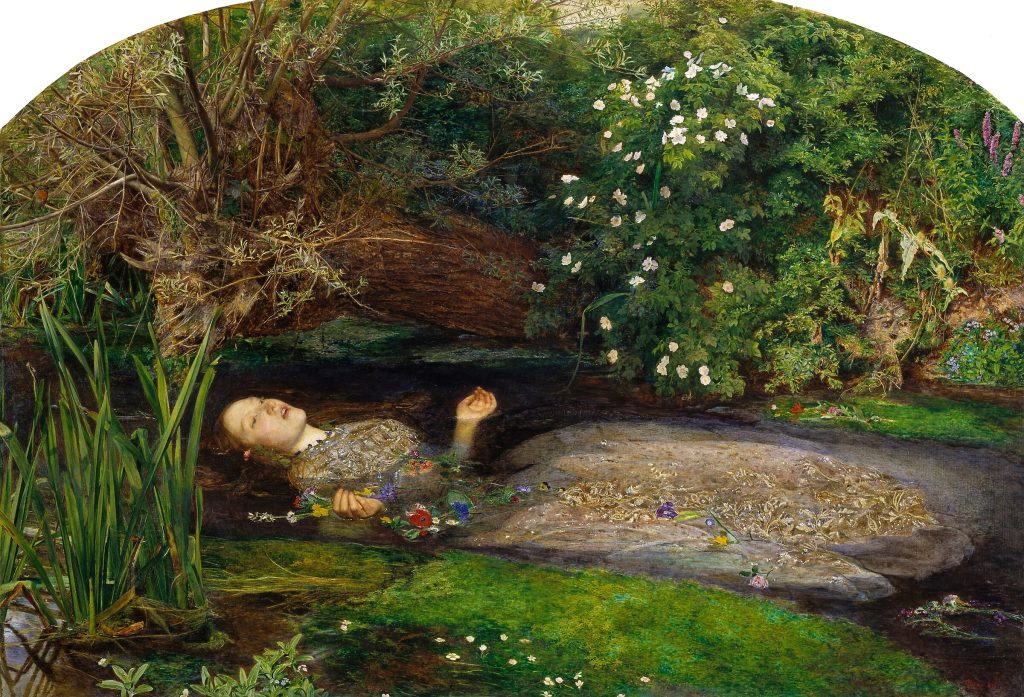
Ophelia shows Shakespeare's heroine floating in a stream among wild flowers, still singing as she drowns, painted by John Everett Millais in 1851…
A doctor watches over a sick child through the night in a poor cottage: Luke Fildes’s The Doctor, painted in 1891 for Henry Tate.
A sorceress in gold pours a red potion beside her books of magic and a black cat, while lovers embrace outside the window.
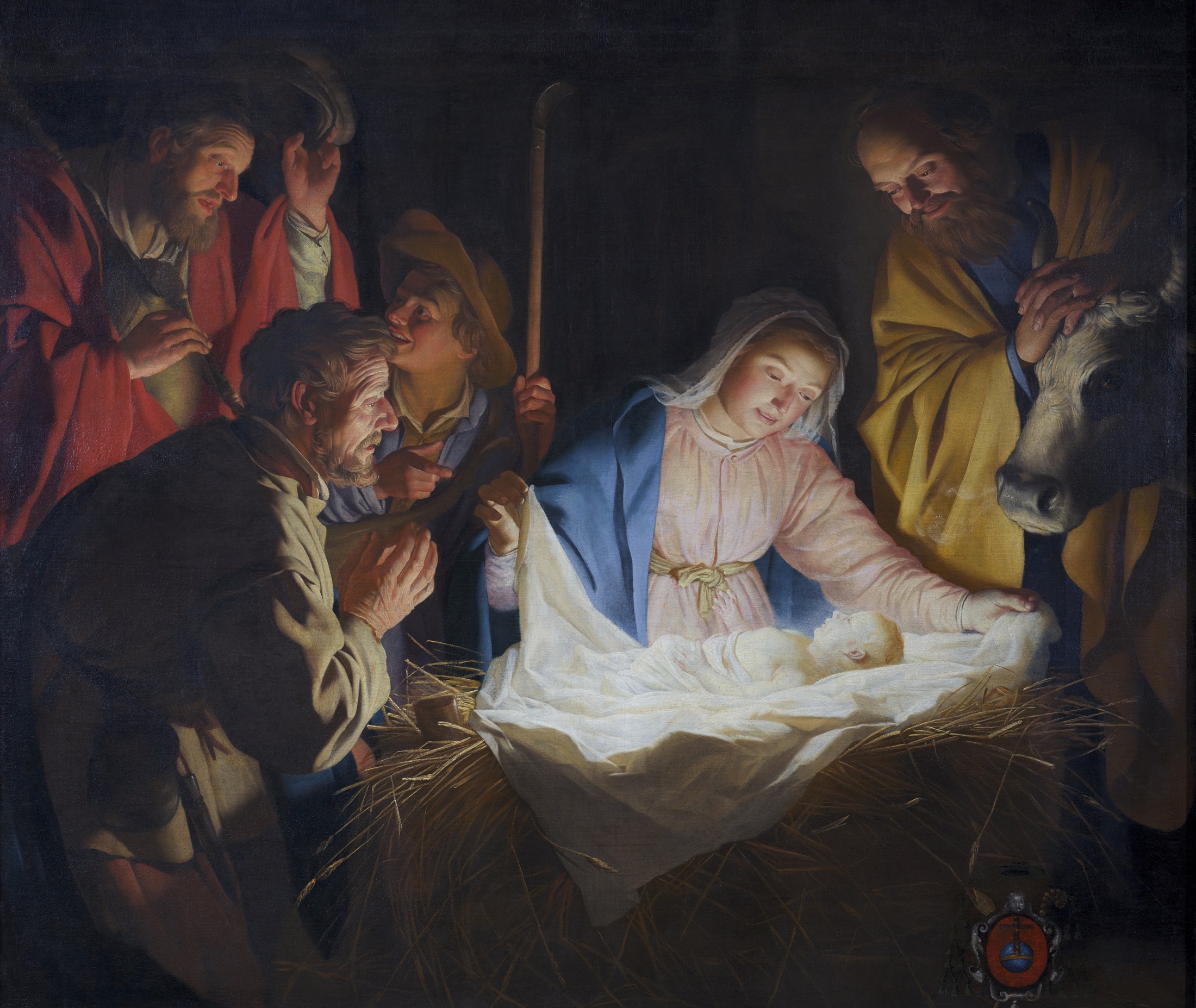
Explore Honthorst’s 1622 Adoration of the Shepherds in Cologne: the radiant child, Mary, praying hands, Joseph and the ox in a dark stable.
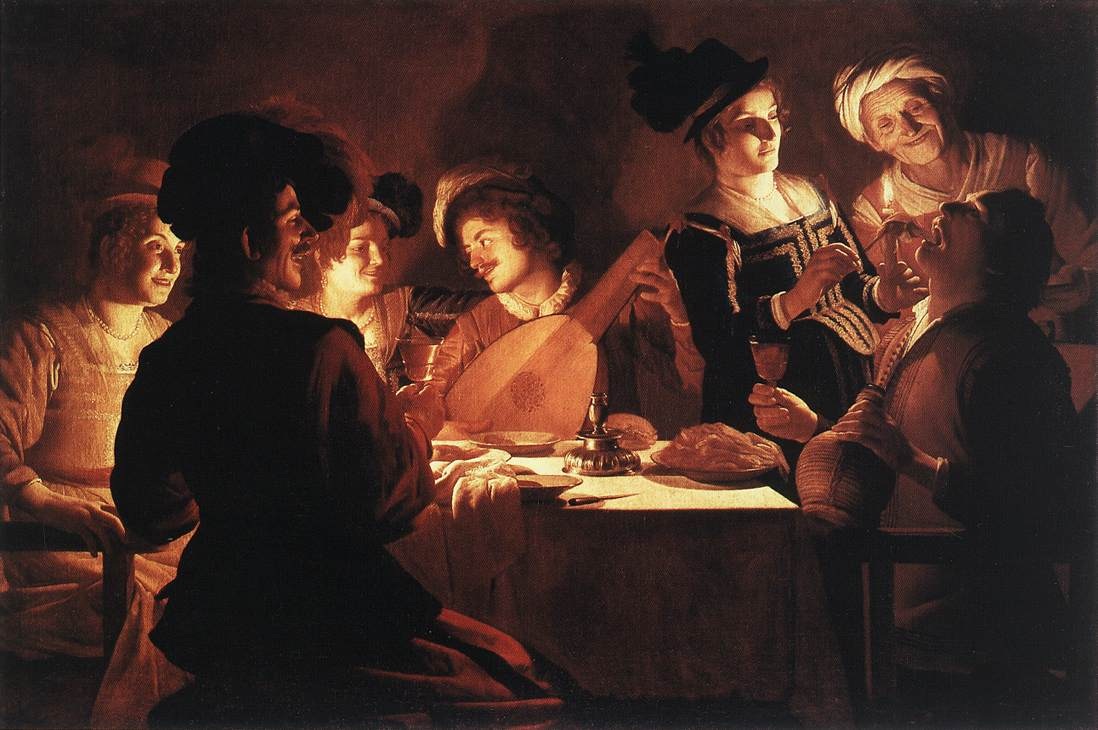
Look closer at Honthorst’s Supper Party: the lute player, dark foreground diner, candlelight and the dental episode at the right of the Uffizi scene.
A white-bearded father wraps his returning son in his cloak: Eugène Burnand’s quiet, moving picture of the prodigal son’s homecoming.
Loki lies chained beneath a serpent while his wife Sigyn holds a bowl to catch its venom: Winge’s 1863 scene from Norse myth.
A single candle lights the high priest’s accusing finger and Christ’s silent face: Honthorst’s candlelit trial, painted in Rome around 1617.
Peter and John run to the empty tomb at dawn, faces full of hope and fear: Eugène Burnand’s Easter painting of 1898.
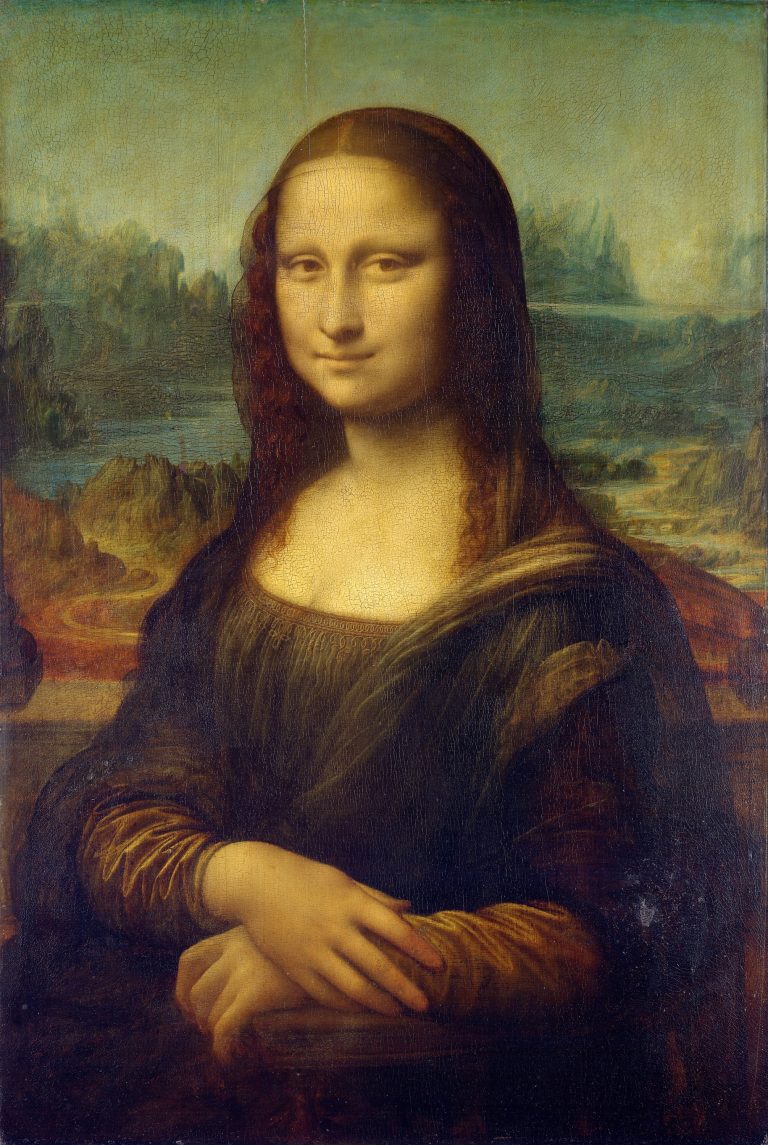

Man Writing a Letter
Gabriel Metsu, c. 1664
The gallery list
Every painting is already 50% off. Join the list and we will send you an extra $15 code, plus first access to new collections.
No spam. Unsubscribe anytime. · Privacy Policy
Welcome
Your $15 code is on its way. Explore the gallery while you wait.