Loading cart…
No products in the cart.

The meaning and history of famous paintings: what they show, where the originals hang, and how each one is recreated by hand in oil on canvas.
Christ sits alone and bowed in a vast desert at sunset: Rivière’s Temptation in the Wilderness, 1898.
After the fight: the dragon lies dead, and Saint George lies exhausted beside it. Rivière’s quiet reversal of a heroic legend.
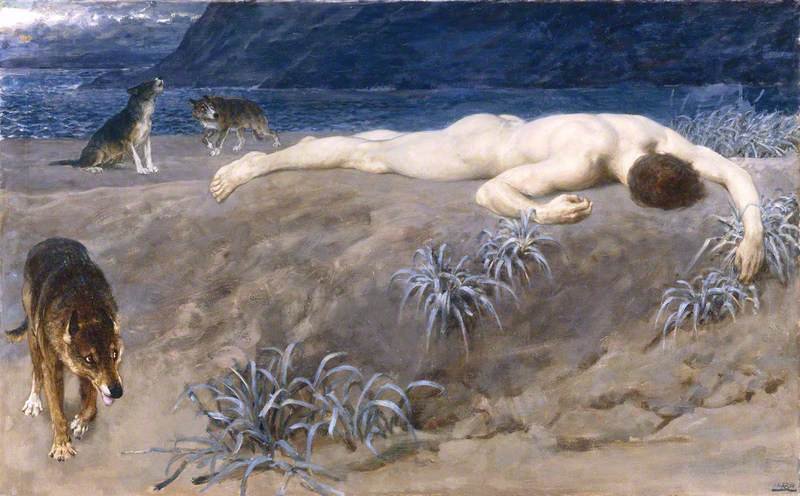
Hector’s body lies abandoned on the shore as wolves approach: Rivière’s scene from Homer’s Iliad, 1892.
Daniel stands with bound hands, his back to a crowd of lions: the 1872 painting that made Rivière’s name.
At dawn Daniel answers the king from the lions’ den, unharmed, as the lions pace around him: Rivière, 1890.
A young prisoner weeps in a bare cell while his dog pushes its nose against him: Rivière’s Fidelity of 1869.
A bloodhound keeps watch beside its dead master, a knight in armour laid on a blue-draped bier: Briton Rivière’s Requiescat.
Explore Briton Rivière’s Aphrodite (1902), the wild animals around the goddess, and the Homeric hymn behind this painting in the Dahesh Museum…
A lone polar bear surveys a frozen wilderness at sunset: Rivière’s Beyond Man’s Footsteps, 1894, at Tate.
Why does Circe offer the cup directly to us? Explore Waterhouse’s mirror, Ulysses, wand, transformed crew, throne, herbs and Odyssey story.
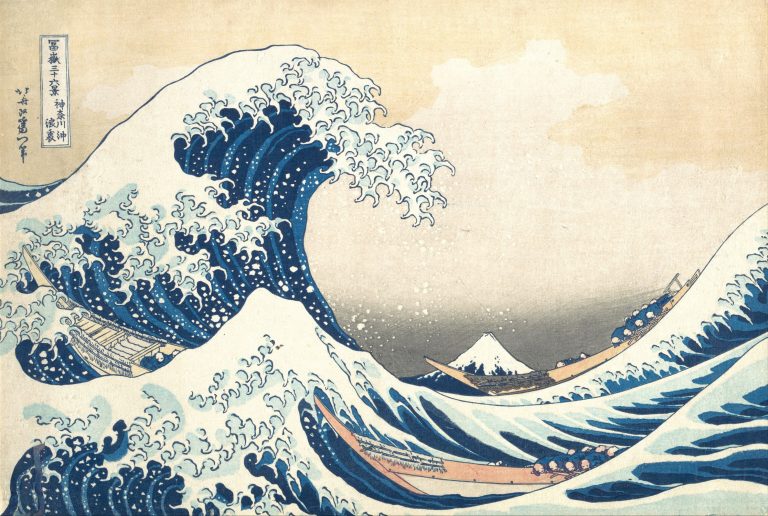
A clawed wave towers over three fishing boats while Mount Fuji sits small in the distance: Hokusai’s woodblock print from about 1831.
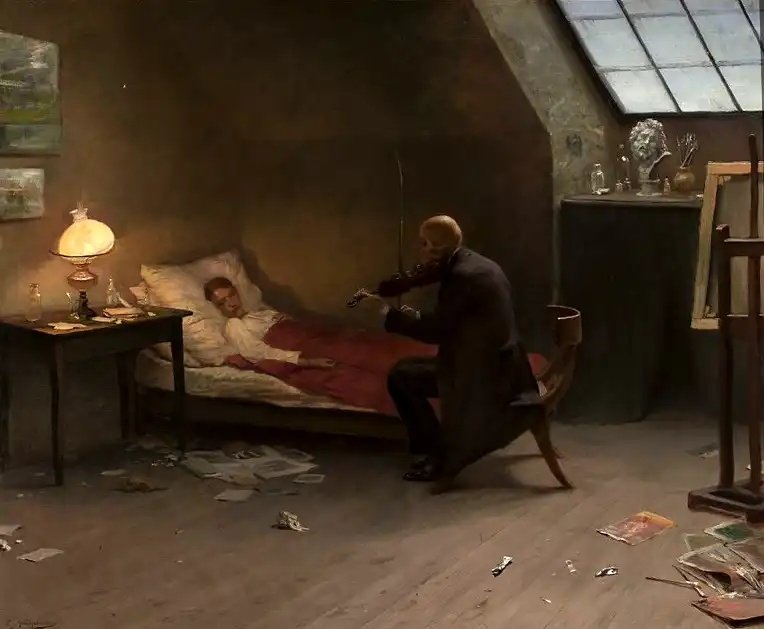
Death sits by a dying painter’s bed and plays the violin: Zygmunt Andrychiewicz’s Death of an Artist: The Last Friend, painted in 1901.
A young woman with windswept hair clutches a bundle like a baby in Hugues Merle’s The Lunatic of Étretat, painted in 1871.
Cossacks roar with laughter as they dictate an insulting reply to the Ottoman Sultan: Repin’s eleven-year study of every kind of laughter.
Henry VIII bends toward Edward while Elizabeth watches from the side. Look closer at Marcus Stone’s Tudor family scene, its royal children, toys…
Explore Fildes’ Edward VII state portrait through a historical Parliamentary copy: the sceptre, crown, robes, seated sittings and official replicas.
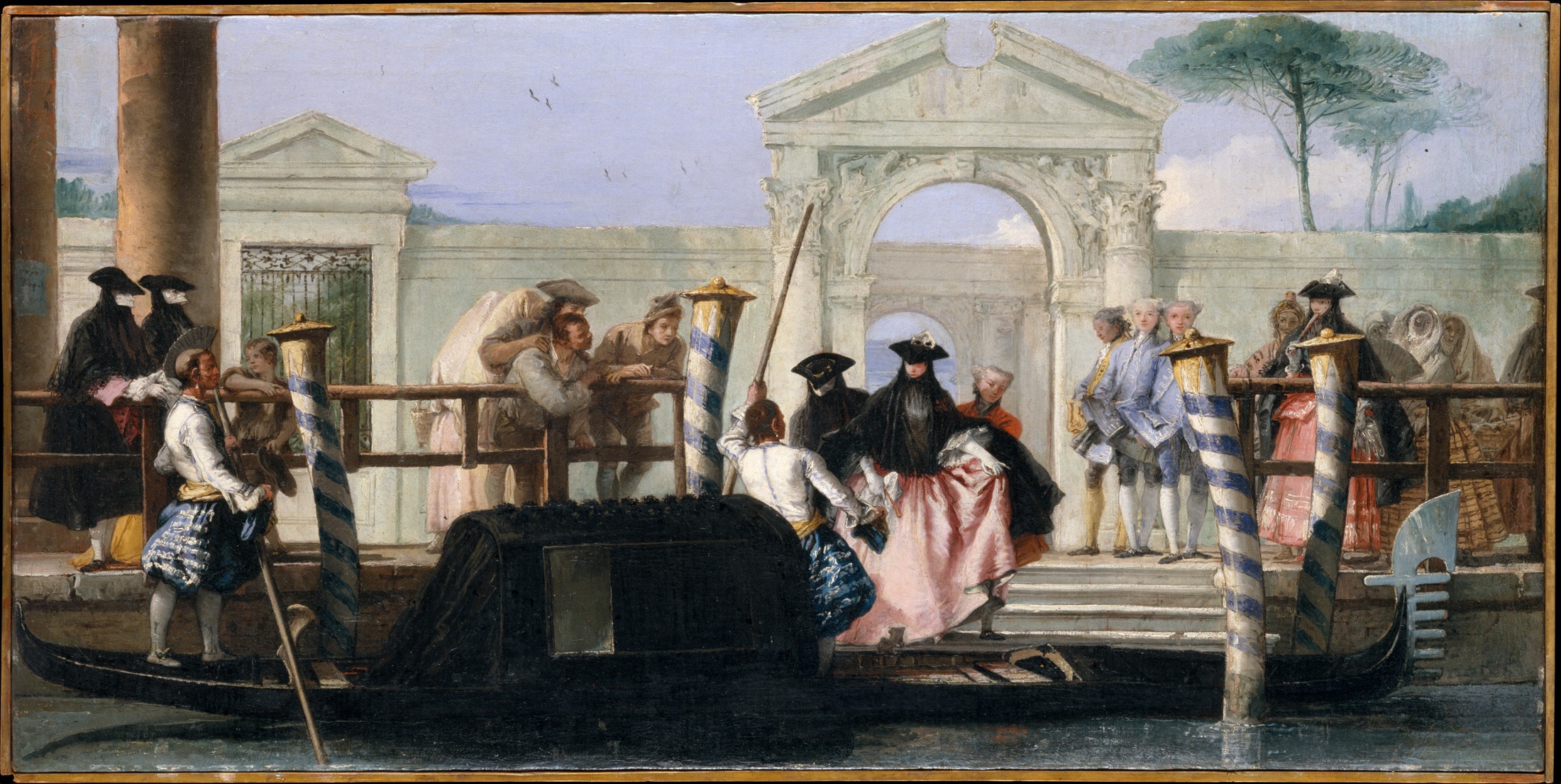
Discover Domenico Tiepolo’s Departure of the Gondola: masked passengers, attendants, a covered boat and the public theatre of Venetian Carnival.
A conjurer fools a woman with cups and balls while a pickpocket steals her purse: the Bosch composition about gullibility.
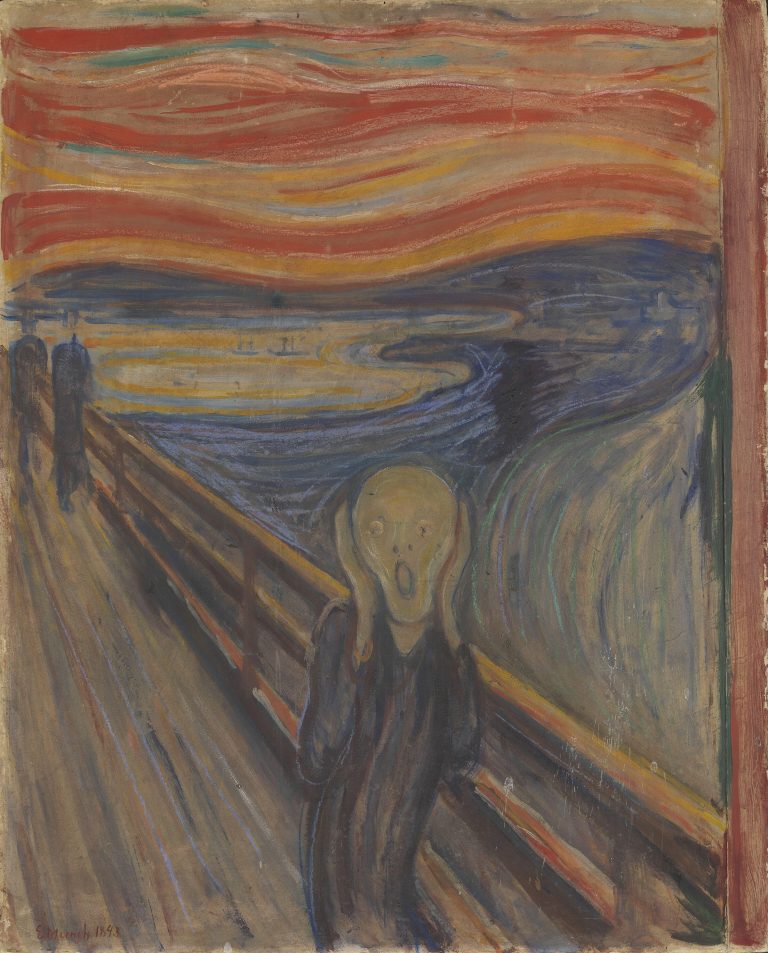
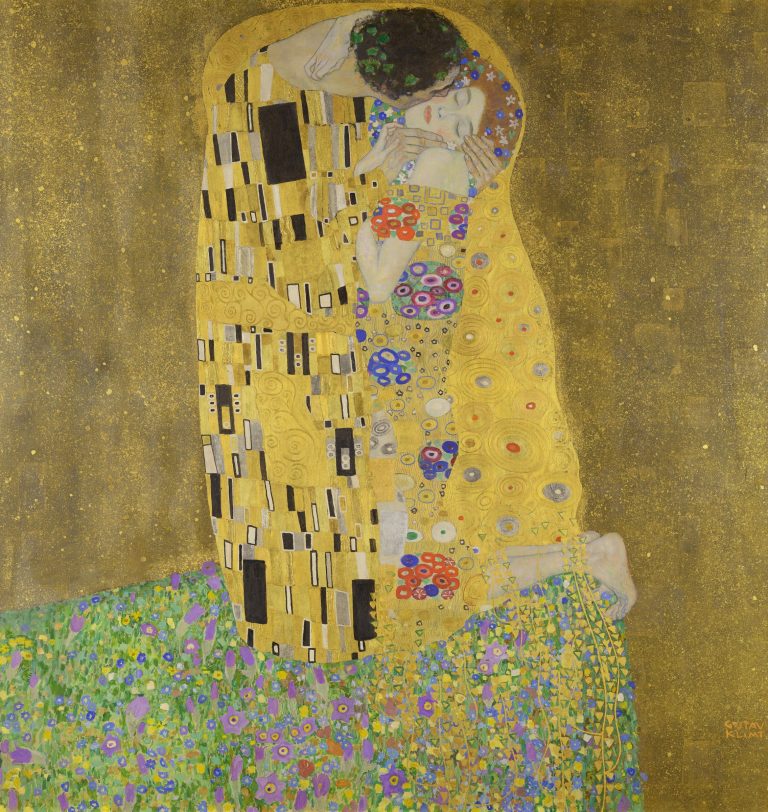
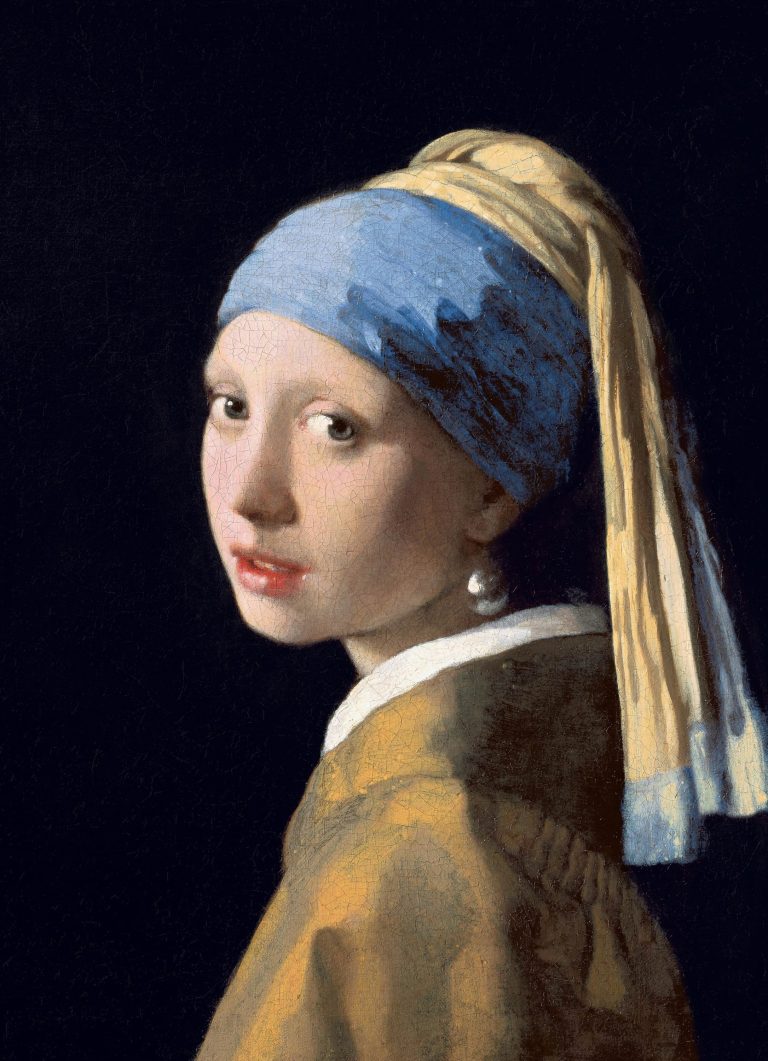
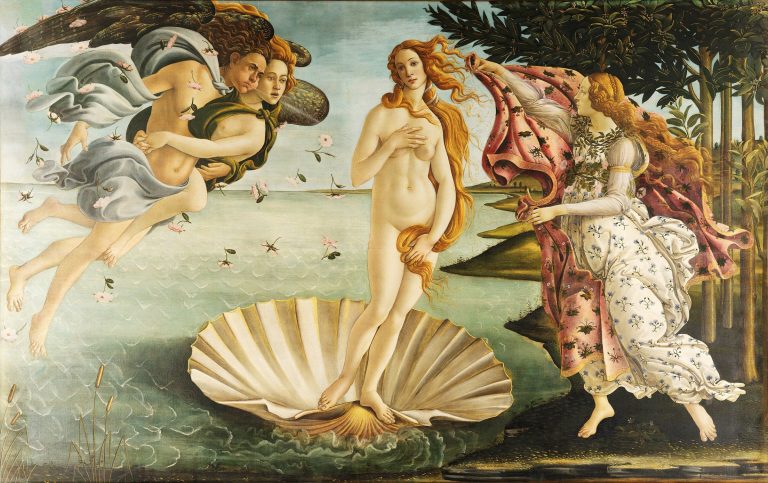

Man Writing a Letter
Gabriel Metsu, c. 1664
The gallery list
Every painting is already 50% off. Join the list and we will send you an extra $15 code, plus first access to new collections.
No spam. Unsubscribe anytime. · Privacy Policy
Welcome
Your $15 code is on its way. Explore the gallery while you wait.