Loading cart…
No products in the cart.

The meaning and history of famous paintings: what they show, where the originals hang, and how each one is recreated by hand in oil on canvas.
The Ghent Altarpiece by Hubert and Jan van Eyck, completed in 1432: the Mystic Lamb, singing angels, Adam and Eve, and a history of thefts.
Saint Jerome reads in a study crowded with books, an astrolabe and an hourglass, his lion asleep under the table: a tiny Van Eyck panel in Detroit.
A merchant and his wife in their room in Bruges, a convex mirror, a dog and a signature that reads like a witness’s note: Van Eyck, 1434.
Michelangelo’s late fresco in the Pauline Chapel: Saint Peter, crucified upside down, turns to stare at the viewer as soldiers raise the cross.
Christ plunges from heaven as an old Saul falls blinded and his soldiers scatter: Michelangelo’s late fresco in the Pauline Chapel.
Michelangelo combines temptation and expulsion in one Sistine Chapel fresco, showing Adam and Eve before and after the choice that transforms…
Mary twists to take the Christ child from Joseph, with nude youths behind: Michelangelo’s only undisputed panel painting.
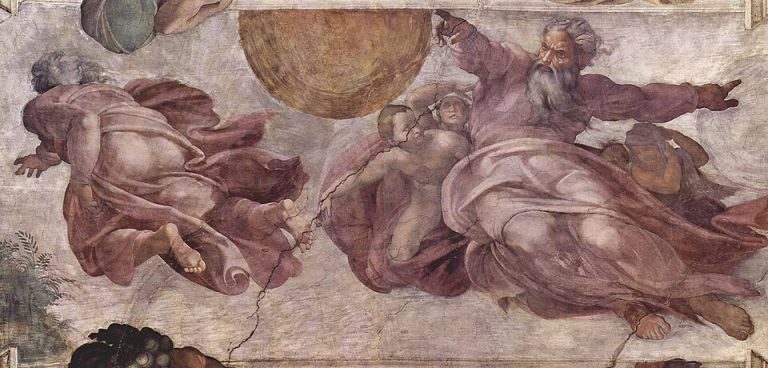
God twists through space dividing light from darkness, framed by four nude youths: the first scene of Genesis on the Sistine ceiling.
Isaiah turns as if suddenly called, a finger in his closed book: one of Michelangelo’s prophets on the Sistine ceiling.
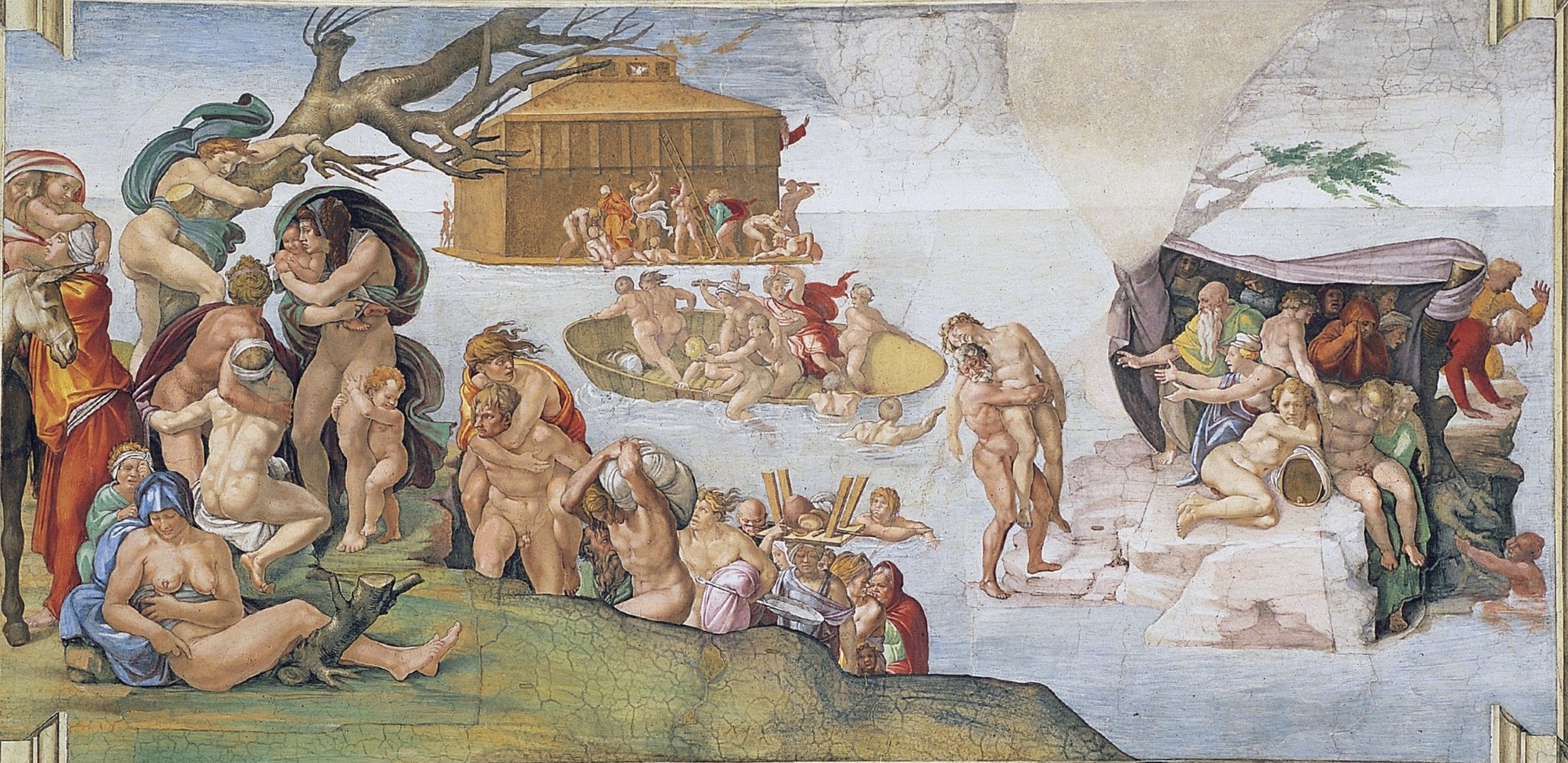
Explore Michelangelo’s Deluge on the Sistine Chapel ceiling: families fleeing, fragile shelter, a carried body and Noah’s distant ark.
Explore Michelangelo’s Last Judgment in the Sistine Chapel: Christ, the flayed skin, rising souls, Dante’s Hell and the controversy over its nudes.
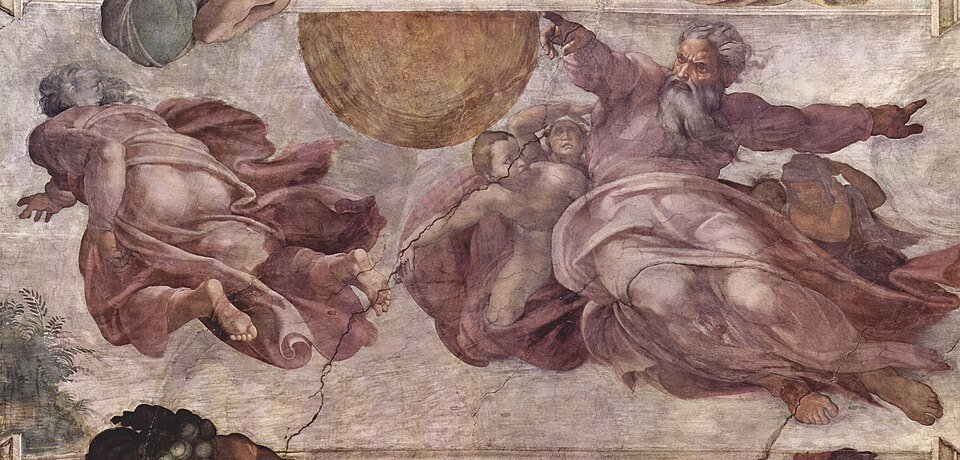
Michelangelo’s Sistine Chapel ceiling, painted for Pope Julius II from 1508 to 1512, seen through its scene of the Creation of the Sun, Moon and…
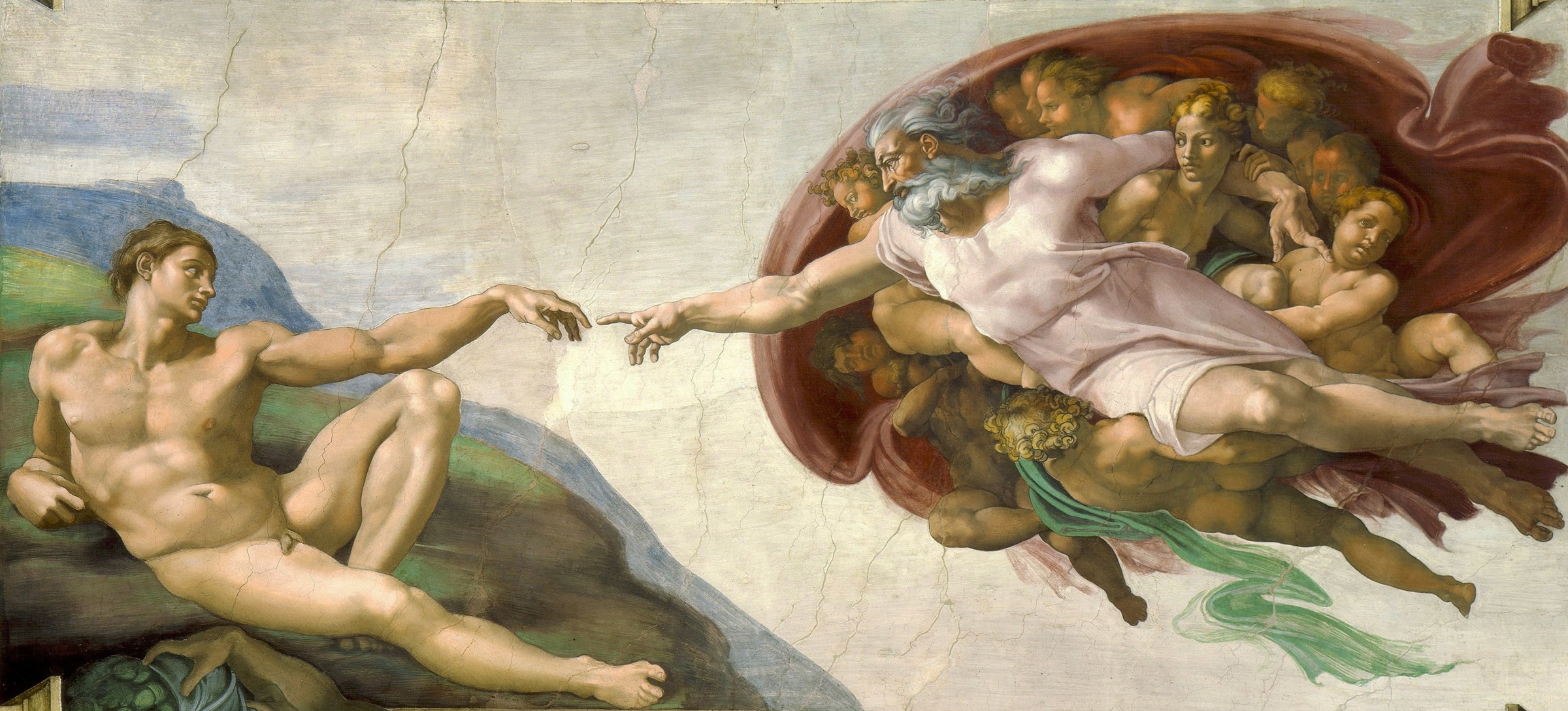
Look beyond Michelangelo’s famous hands to the reclining Adam, approaching Creator and suspended moment on the Sistine Chapel ceiling.
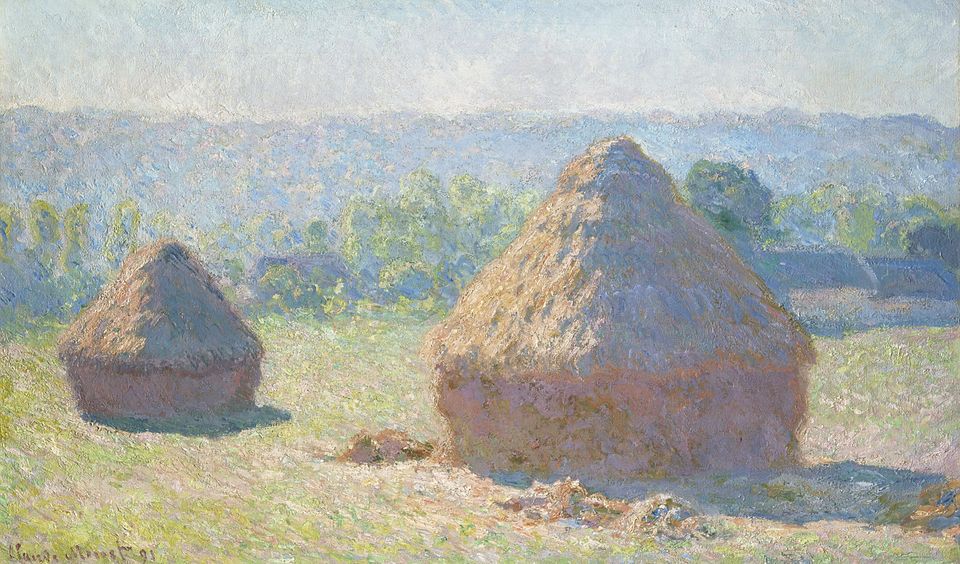
Explore Monet’s 1891 Haystacks, End of Summer at the Musée d’Orsay: grainstacks, coloured shadows and the changing light of his series.
The west front of Rouen Cathedral dissolved into thick layers of sunlit paint: one of Monet’s more than thirty views of the same façade.
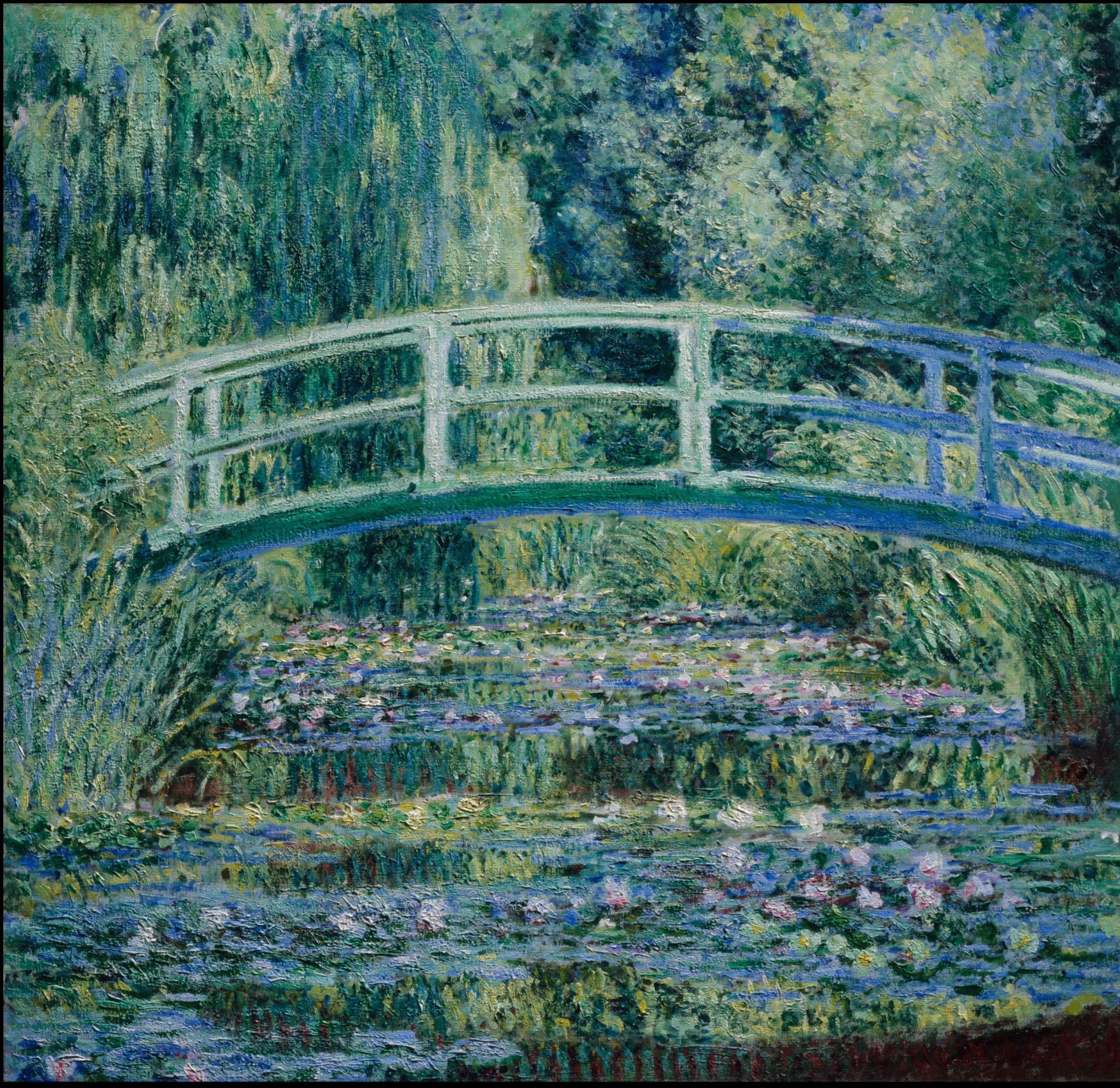
Explore Princeton’s 1899 Water Lilies and Japanese Bridge with detail crops, Giverny context and a guide to the pond’s shifting reflections.
Monet’s life-size attempt to paint figures outdoors in real sunlight, at Ville-d’Avray in 1866, refused by the Salon of 1867.
A bathing place on the Seine, its little island and floating café, painted by Monet beside Renoir in 1869 as Impressionism took shape.
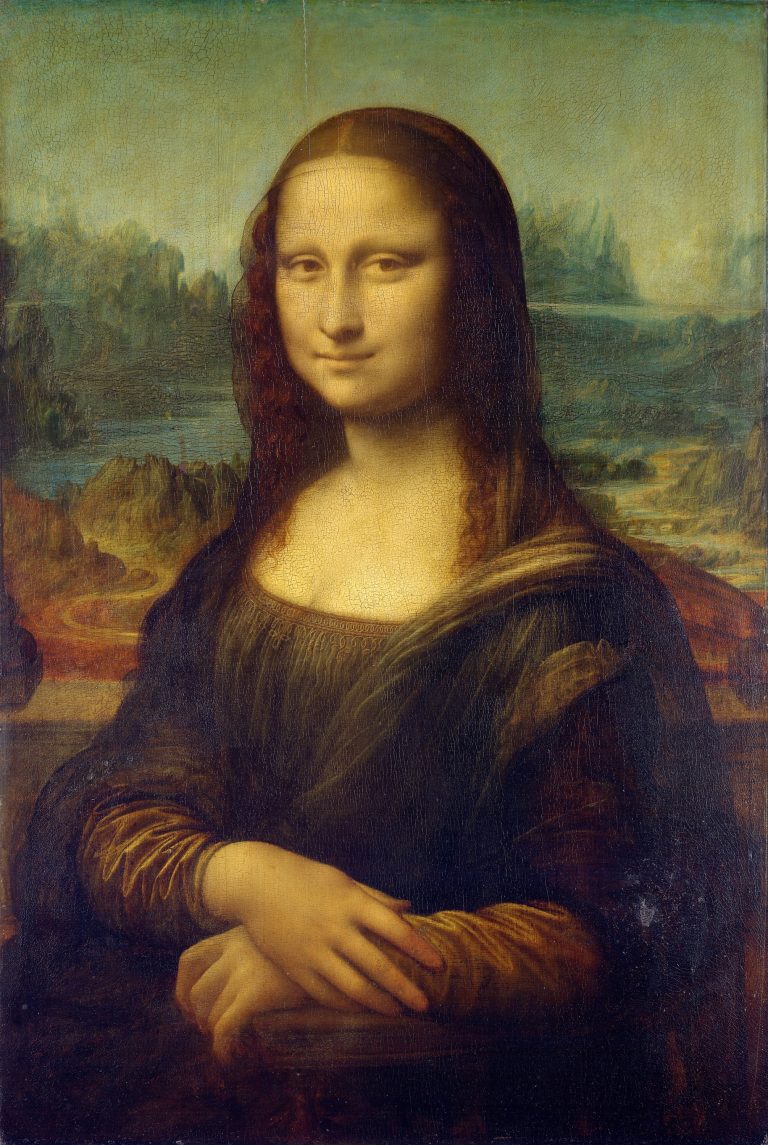

Man Writing a Letter
Gabriel Metsu, c. 1664
The gallery list
Every painting is already 50% off. Join the list and we will send you an extra $15 code, plus first access to new collections.
No spam. Unsubscribe anytime. · Privacy Policy
Welcome
Your $15 code is on its way. Explore the gallery while you wait.