Loading cart…
No products in the cart.

Save articles to your collection
Log in or create a free account, and this article will be waiting in your Private Collection.
Log in or sign upThese masterpieces remain influential because their images, ideas and stories continue to shape how people understand art.
You may recognise the smile, the swirling sky or the two hands before you remember the painter’s name. Familiarity can also hide what makes a picture unusual. The girl with the earring is a character study; the figures in American Gothic were posed by the artist’s sister and dentist; Leonardo’s Last Supper is a fragile experiment on a wall.
This guide explores the history and meaning of twenty famous paintings through their visible details, materials and museum records. It is an introduction to close looking, with links to complete painting stories. The selection concentrates on European art and American painting and is not a worldwide ranking of artistic achievement.
For a wider ranked selection, explore our Top 100 Most Famous Paintings. If you are choosing a work for your home, visit the hand-painted reproduction collection.
 Explore the artistVincent van Gogh →
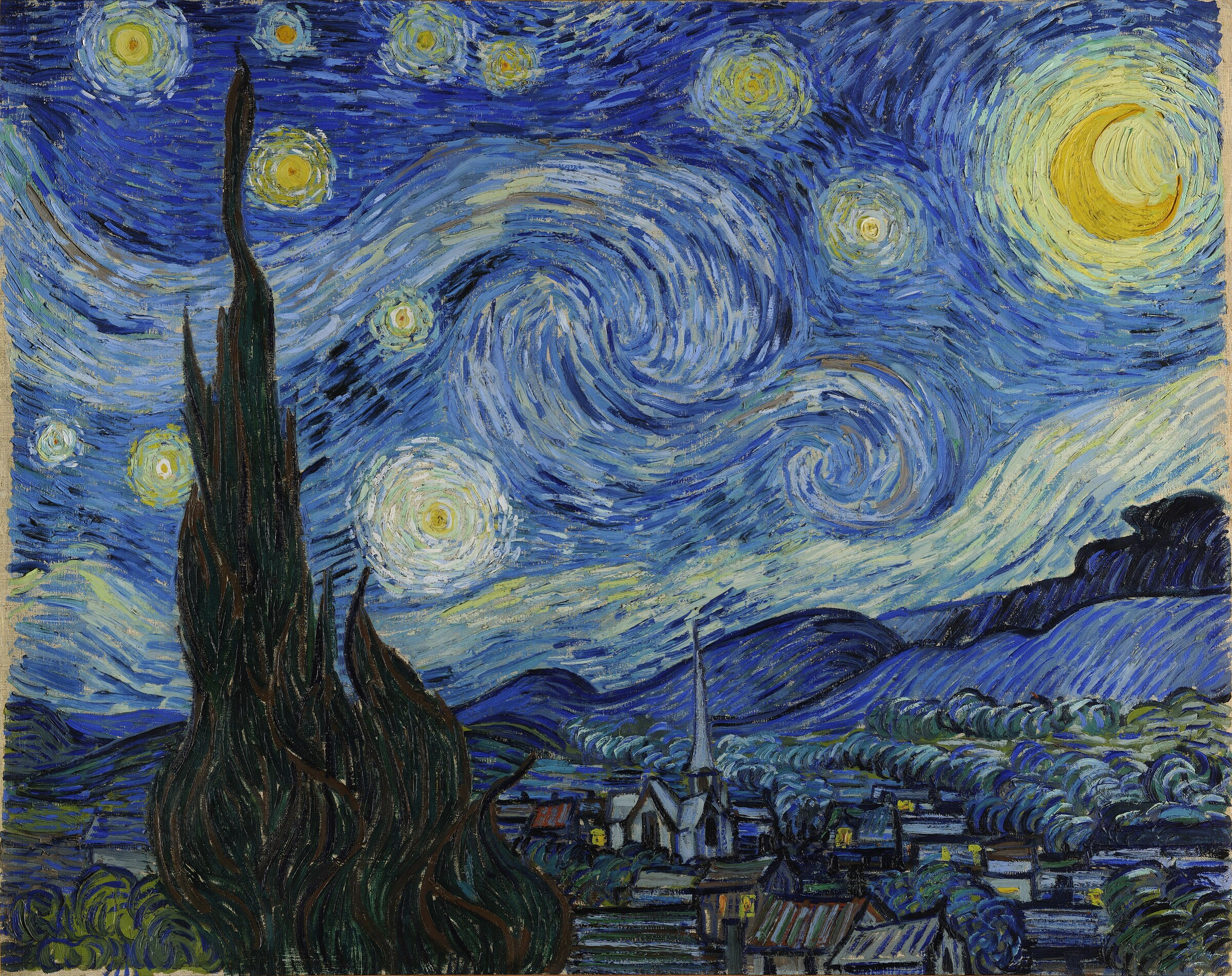
The village sleeps, but the sky refuses to be still. Vincent van Gogh painted The Starry Night in June 1889 while staying at Saint-Paul-de-Mausole in Saint-Rémy. The landscape draws on his surroundings, yet the finished canvas is a constructed vision rather than a faithful record of one view.
Follow the dark cypress from the foreground into the sky. Its upright shape connects the small settlement with the much larger movement overhead, while the church spire repeats that upward pull. Against these verticals, the stars spread into rings and the blue strokes turn in long curves. The picture’s emotional force comes partly from this difference in scale: human buildings seem small beneath an intensely active sky.
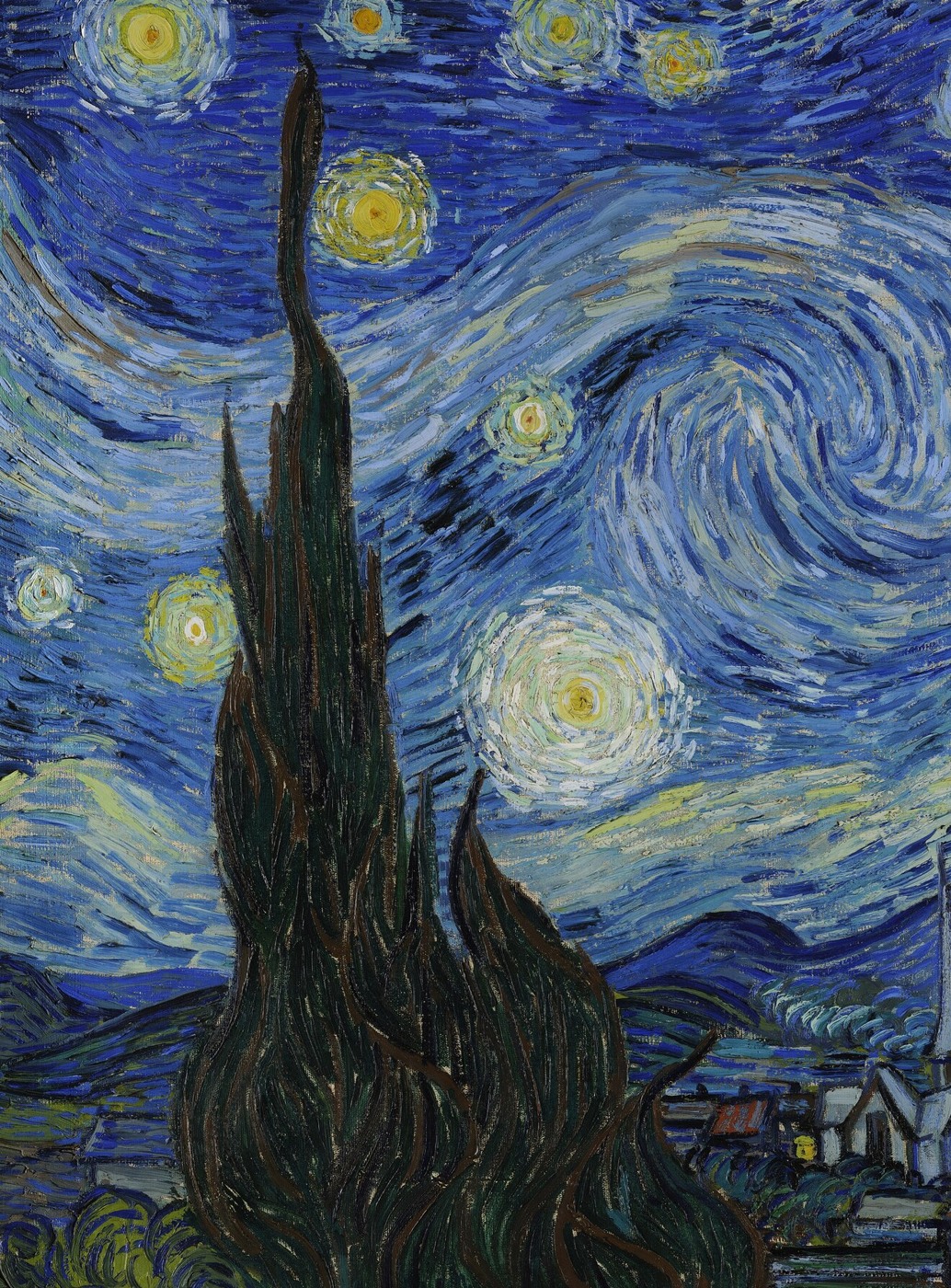
The date matters when comparing Van Gogh’s night paintings. This is the Saint-Rémy canvas in New York, not the earlier river scene from Arles that appears later in this guide.
Museum reference: MoMA: The Starry Night.
 Explore the artistLeonardo da Vinci →
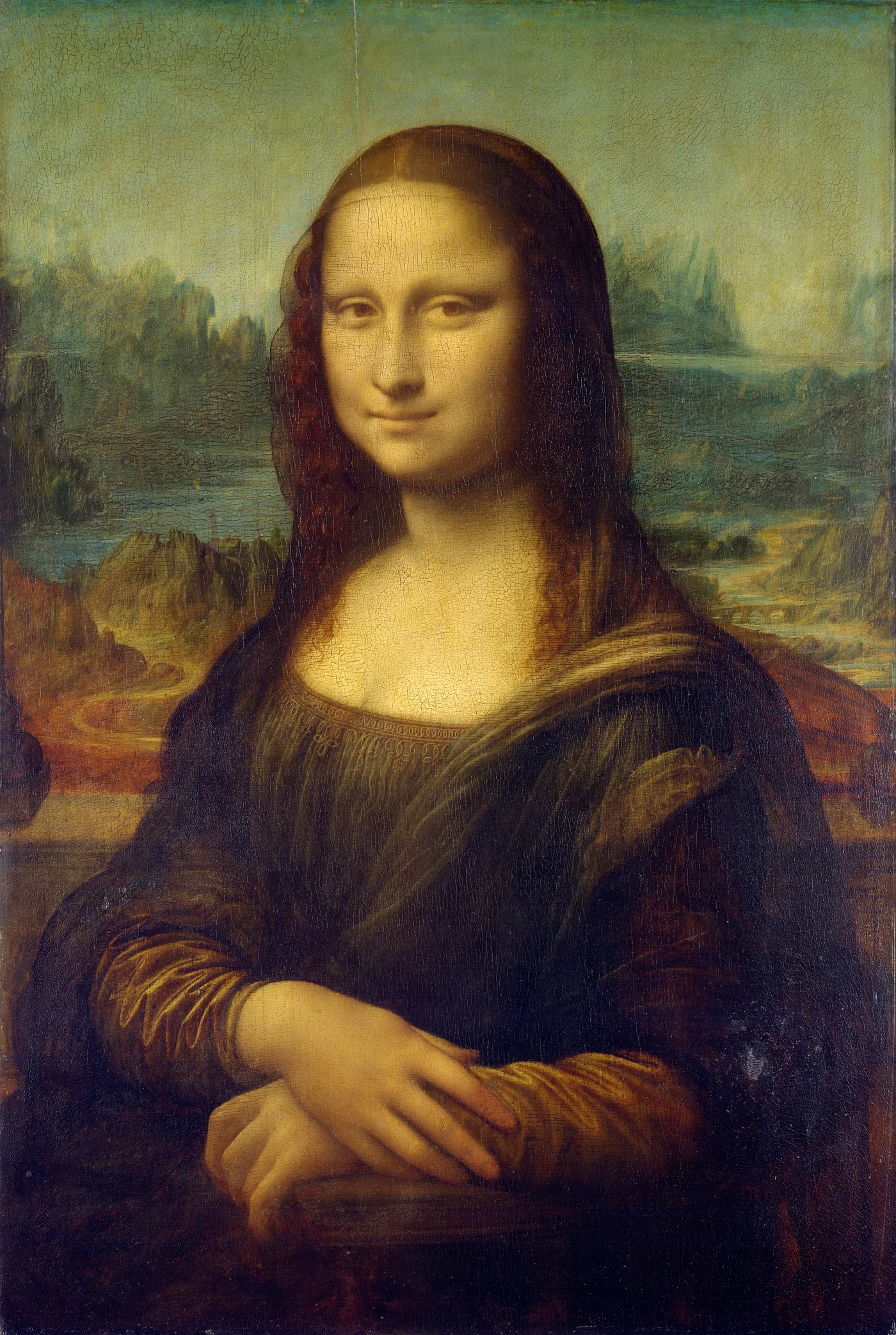
Before it became a worldwide emblem, the Mona Lisa was a portrait of Lisa Gherardini, wife of the Florentine merchant Francesco del Giocondo. Leonardo began the work in the early sixteenth century and kept it with him. The Louvre identifies the sitter by name, even though popular stories often replace her with an unsolved mystery.
The painting rewards a slower look at its edges. Shadows pass into light around the mouth and eyes without a hard outline, helping the expression remain difficult to pin down. Her folded hands form a stable foreground; behind her, paths, water and distant rock formations open into an unsettled landscape. The calm sitter and the expansive setting seem to inhabit different kinds of time.
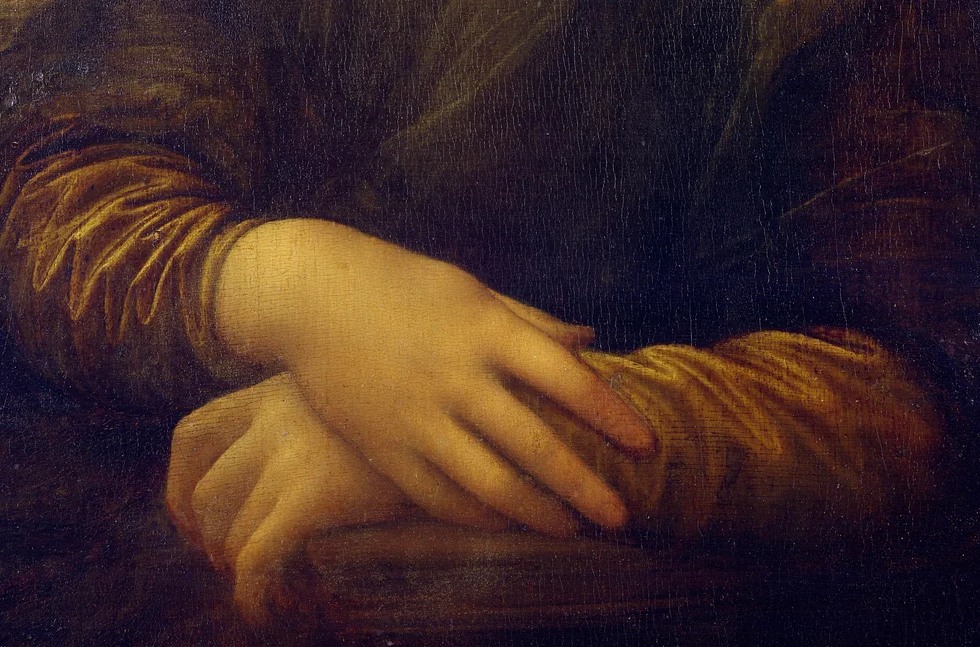
Its theft from the Louvre in 1911 helped spread the image further. That episode explains part of its modern celebrity, but the quiet transitions in Leonardo’s painting explain why the original still holds attention.
Museum reference: Louvre: Portrait of Lisa Gherardini.
 Explore the artistJohannes Vermeer →
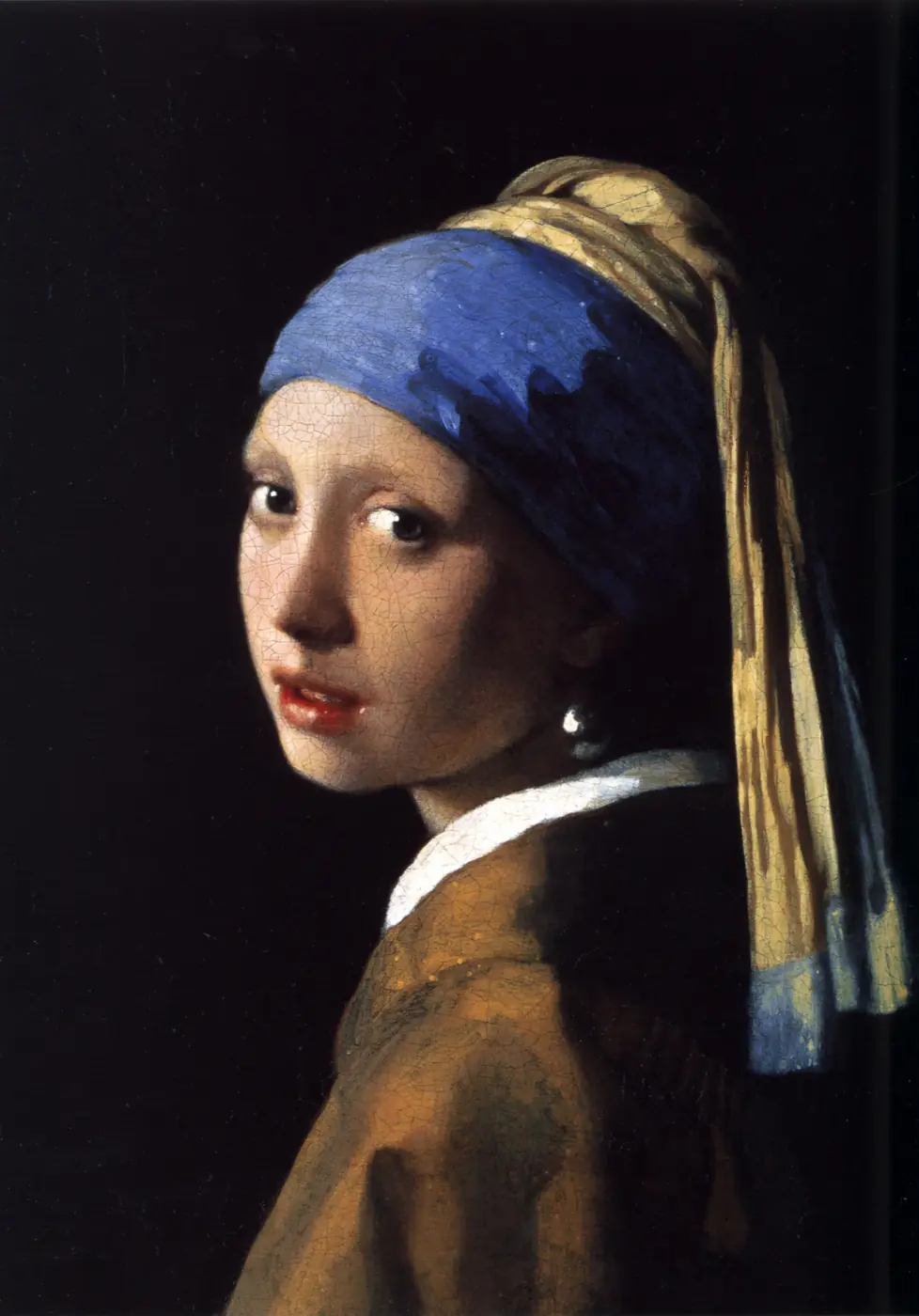
The girl turns towards us with her lips slightly parted. It feels like an encounter interrupted, yet Girl with a Pearl Earring is not a conventional commissioned portrait. The Mauritshuis describes it as a tronie: a study of a character or type, here presented in an unusual head covering.
That distinction changes the questions worth asking. A model may have sat for Vermeer, but the picture does not establish the romantic biography later fiction has given her. Its subject is also the action of light: a pale glint at the mouth, a luminous cheek and an oversized earring set against darkness.
Look at how little paint is needed to suggest the jewel. Its shine seems solid from a distance, while its edges are barely defined. Vermeer makes a convincing object out of a few relationships between light and shadow.
Museum reference: Mauritshuis: Girl with a Pearl Earring.
 Explore the artistSandro Botticelli →
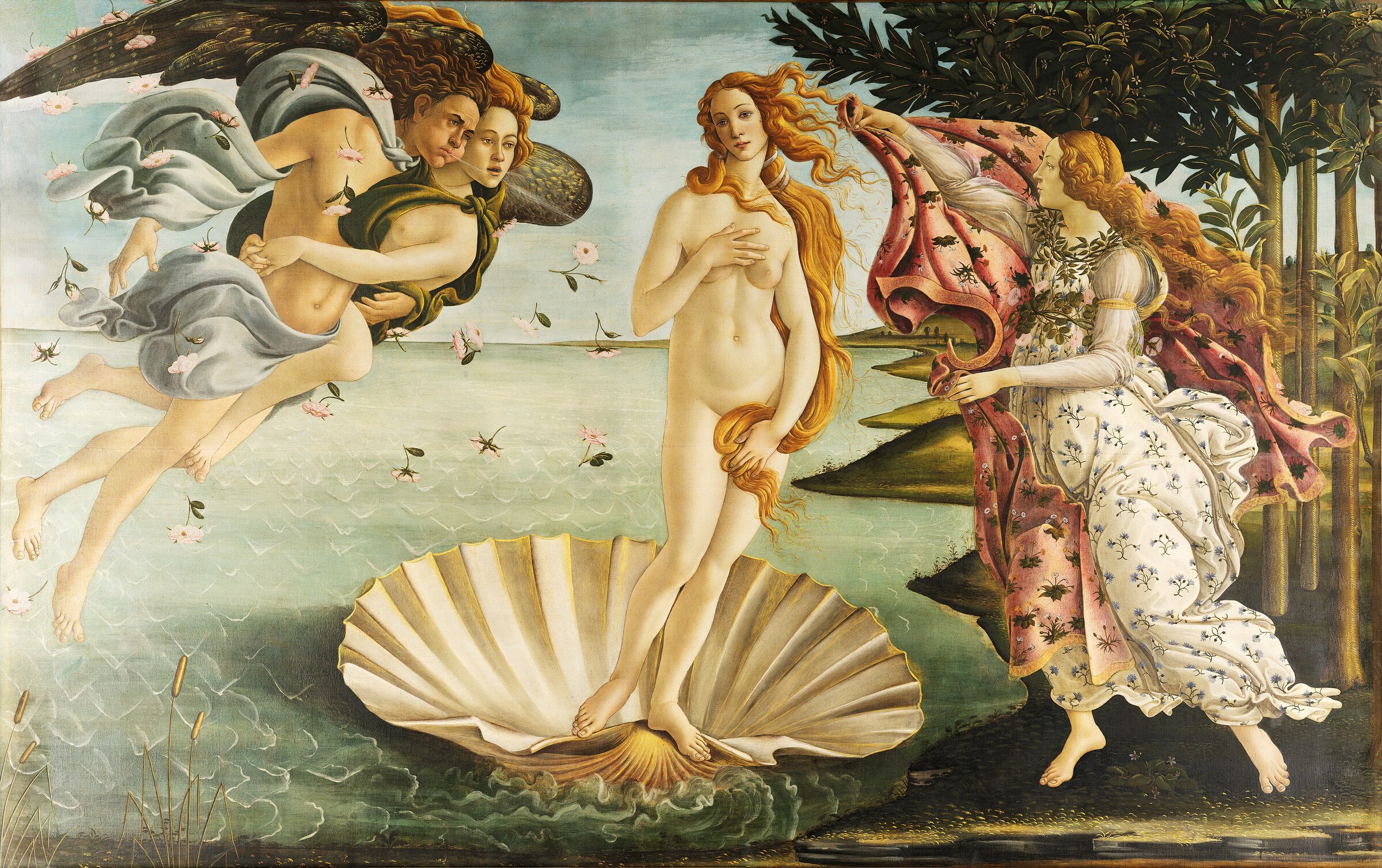
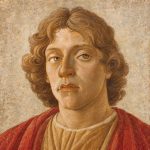
The title encourages us to imagine Venus being born, but Botticelli shows the goddess arriving at the shore after emerging from the sea. She stands on a shell as the winds blow from the left and a waiting figure offers a flowered mantle on the right. The Uffizi identifies the destination as Cyprus.
The movement travels across the painting through hair, roses and fabric. Venus herself remains strangely poised in the middle of it. Her long neck, tilted stance and flowing outline serve the rhythm of the image more than a demonstration of bodily balance.
The work is tempera on canvas, a useful reminder that famous Renaissance paintings were not all made in oil. Its pale colour and clear contours give the myth an appearance quite different from the warm, domestic setting of Titian’s Venus of Urbino later in this selection.
Museum reference: Uffizi: The Birth of Venus.
 Explore the artistMichelangelo Buonarroti →
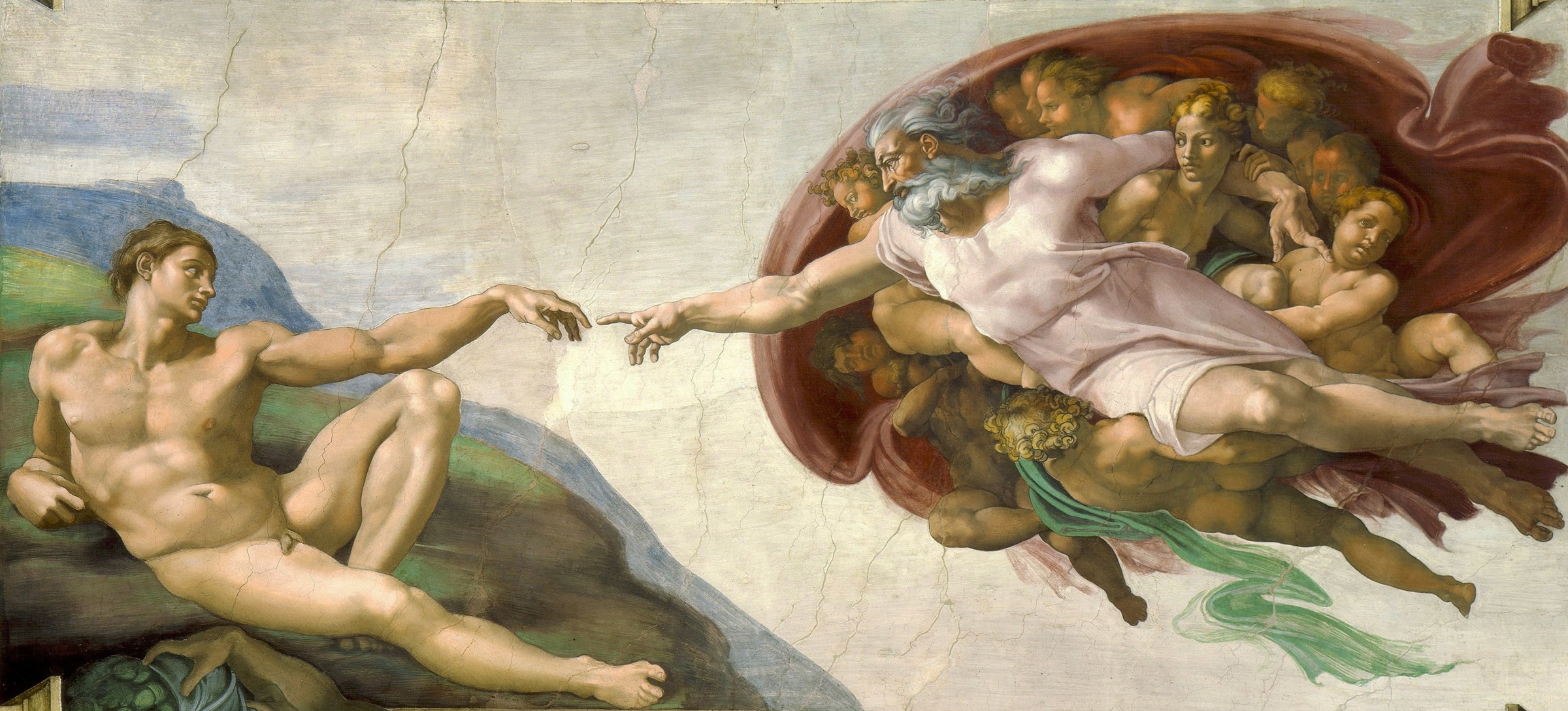
Two hands almost meet. Michelangelo concentrates the creation of humanity into the small interval between Adam’s relaxed finger and God’s outstretched hand. Adam already has the body of a powerful adult, but his reclining weight contrasts with the forward energy of the approaching Creator.
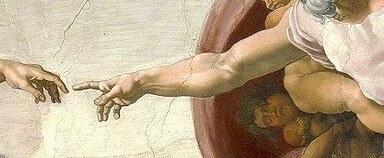
This scene belongs to the larger sequence from Genesis on the Sistine Chapel ceiling, painted between 1508 and 1512. Seen alone as a cropped pair of hands, it can lose the comparison between the two complete figures. God moves within a crowded, wind-filled mantle; Adam rests against a nearly bare slope.
The image presents life as a relationship between those bodies. Interpretations of hidden anatomical diagrams have become popular, but they should not displace the visible biblical subject or be treated as a proven explanation of Michelangelo’s intention.
Museum reference: Vatican Museums: Creation of Adam.
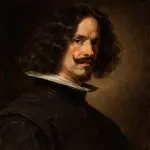 Explore the artistDiego Velázquez →
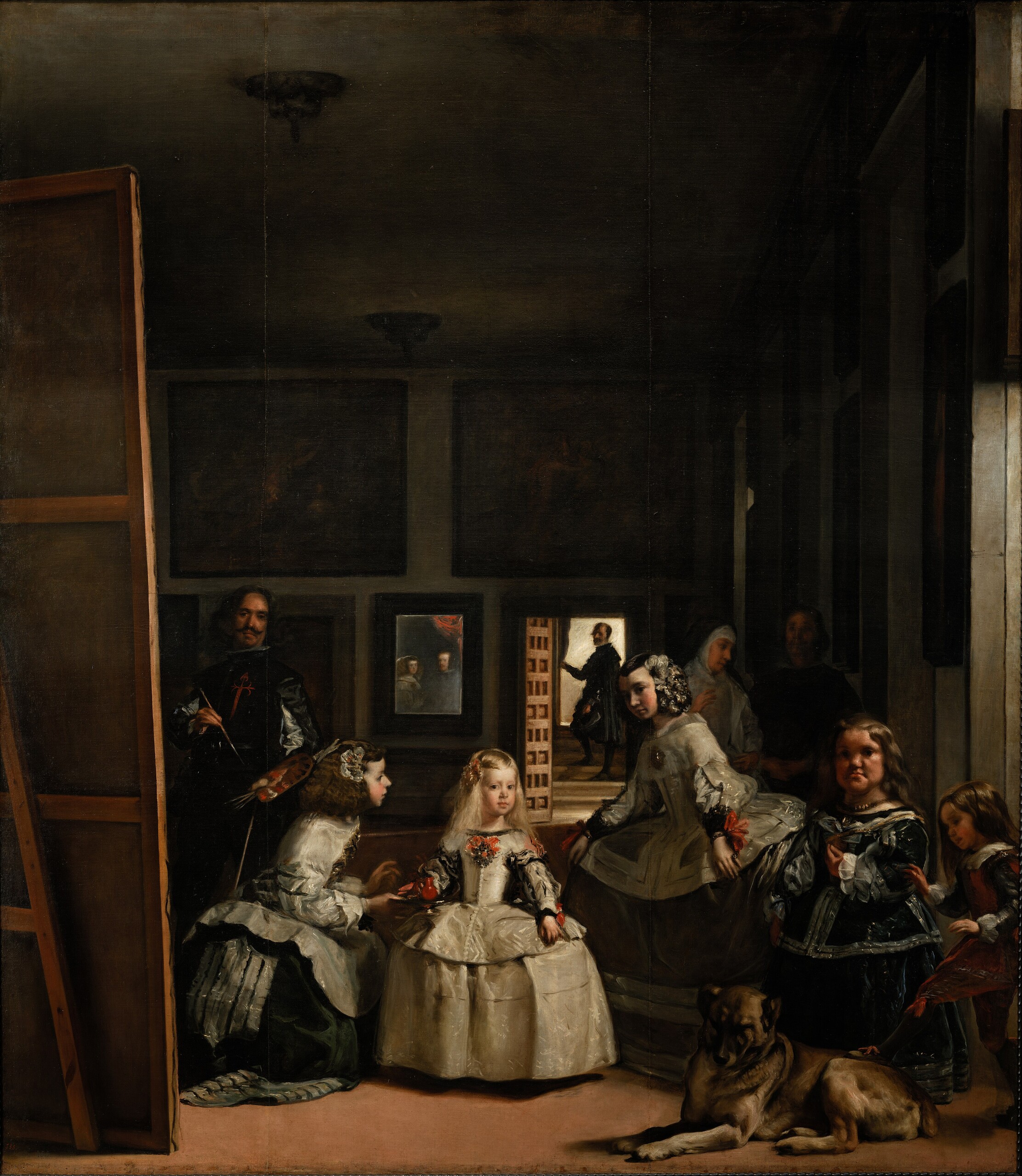
Velázquez includes himself at work on a large canvas, while the Infanta Margarita and her attendants occupy the foreground. A man pauses in the distant doorway. Near him, a small mirror contains the faces of Philip IV and Mariana of Austria. These different directions of attention make Las Meninas difficult to read as a simple court portrait.
The mirror asks us to imagine people beyond the painted room. Are the royal sitters occupying a position like ours? What can the painter see that we cannot? The canvas he is working on faces away from us, leaving its subject concealed.
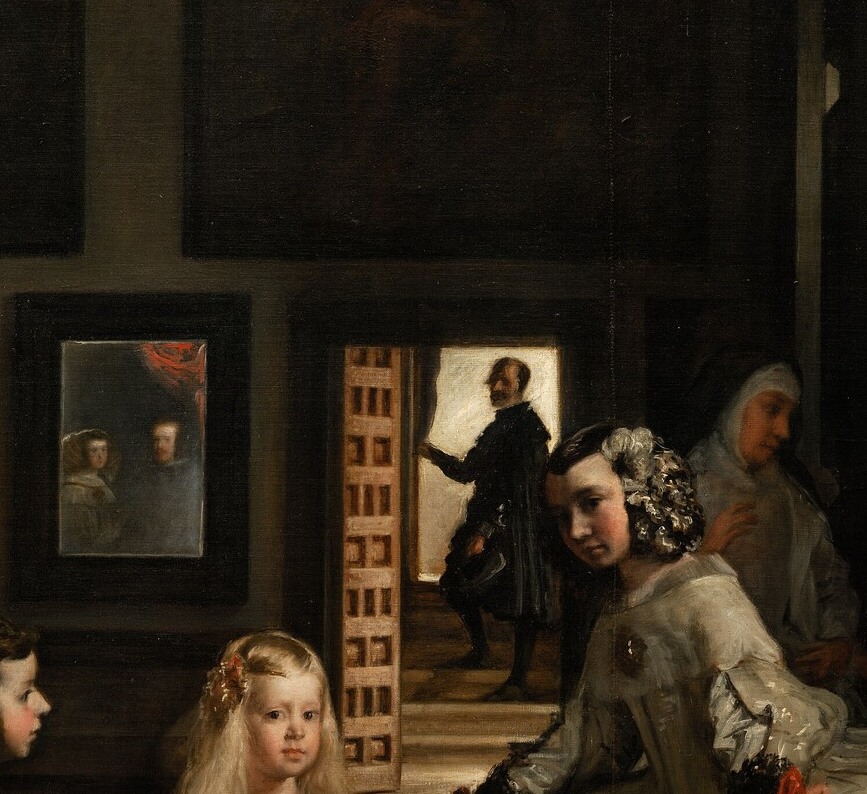
Painted in 1656, the work turns looking into part of its subject. Move mentally between the illuminated child, the painter’s gaze and the light at the far door. Each gives a different reason for the people in the room to have paused.
Museum reference: Museo del Prado: Las Meninas.
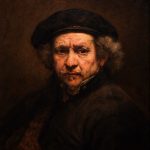 Explore the artistRembrandt van Rijn →
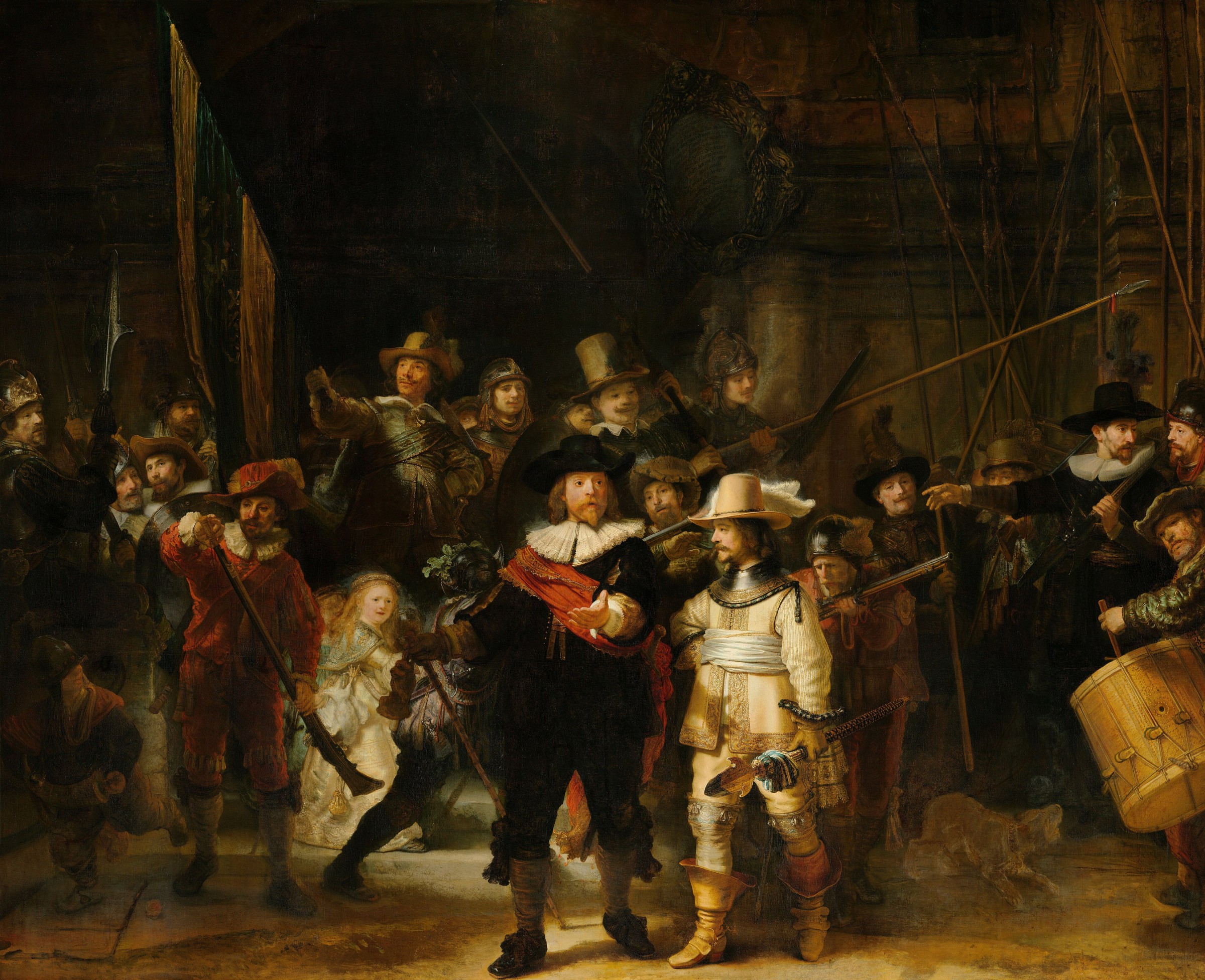
The Night Watch shows a militia company preparing for action. Captain Frans Banninck Cocq gestures forward beside his lieutenant, while weapons, a drum and a flag interrupt the surrounding crowd. Rembrandt’s 1642 commission transforms a civic group portrait into an event that seems to be starting in front of us.
Light decides where we look. The captain’s hand reaches into the space between the figures, and a young girl glows among the darker bodies behind him. Her presence is symbolic rather than an ordinary addition to the company’s ranks; the Rijksmuseum discusses her role in relation to the militia’s emblems.
The familiar title can mislead. This is not a straightforward depiction of a night patrol. Watch the uneven illumination and overlapping bodies instead: the members are presented through action and depth rather than an orderly row of equally prominent faces.
Museum reference: Rijksmuseum: Ten things about The Night Watch.
 Explore the artistJames McNeill Whistler →
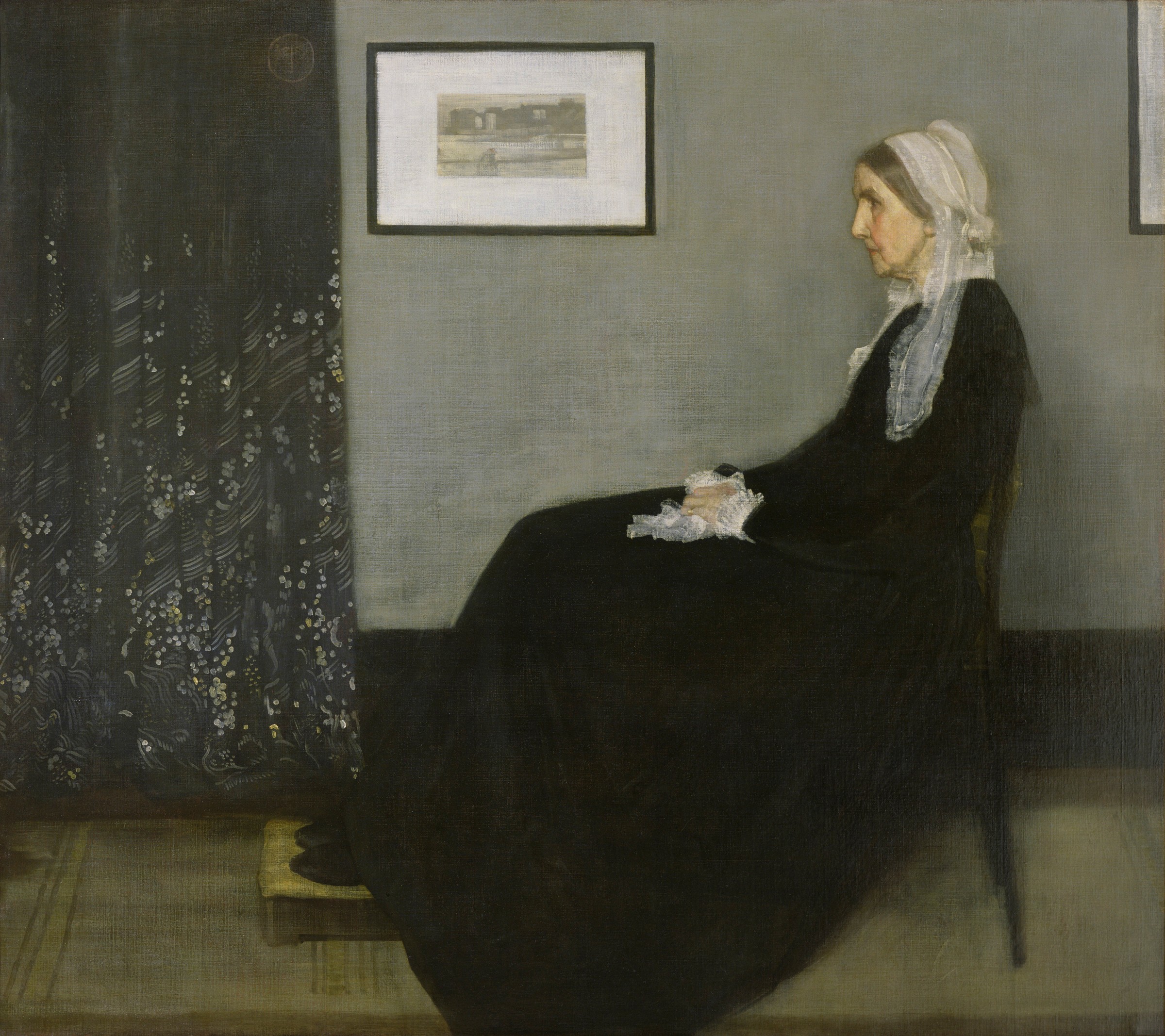
The familiar name Whistler’s Mother directs our attention to a family relationship. The formal title, Arrangement in Grey and Black No. 1, directs it towards painting. Both describe the same 1871 work: a seated woman in profile, her feet on a support, her hands resting in her lap.
Whistler gives the room remarkably few ingredients. A patterned curtain, framed pictures, the chair and the broad grey wall organise the space around the black dress. Small pale areas at the face, cap and hands become more noticeable because so much of the composition is restrained.
It is possible to recognise affection and dignity here without inventing a private conversation between painter and sitter. The painting’s tension lies in how a particular person becomes part of a carefully balanced arrangement. Its stillness is built through the placement of shapes as much as through her pose.
Museum reference: Musée d’Orsay: Arrangement in Grey and Black No. 1.
 Explore the artistGeorges Seurat →
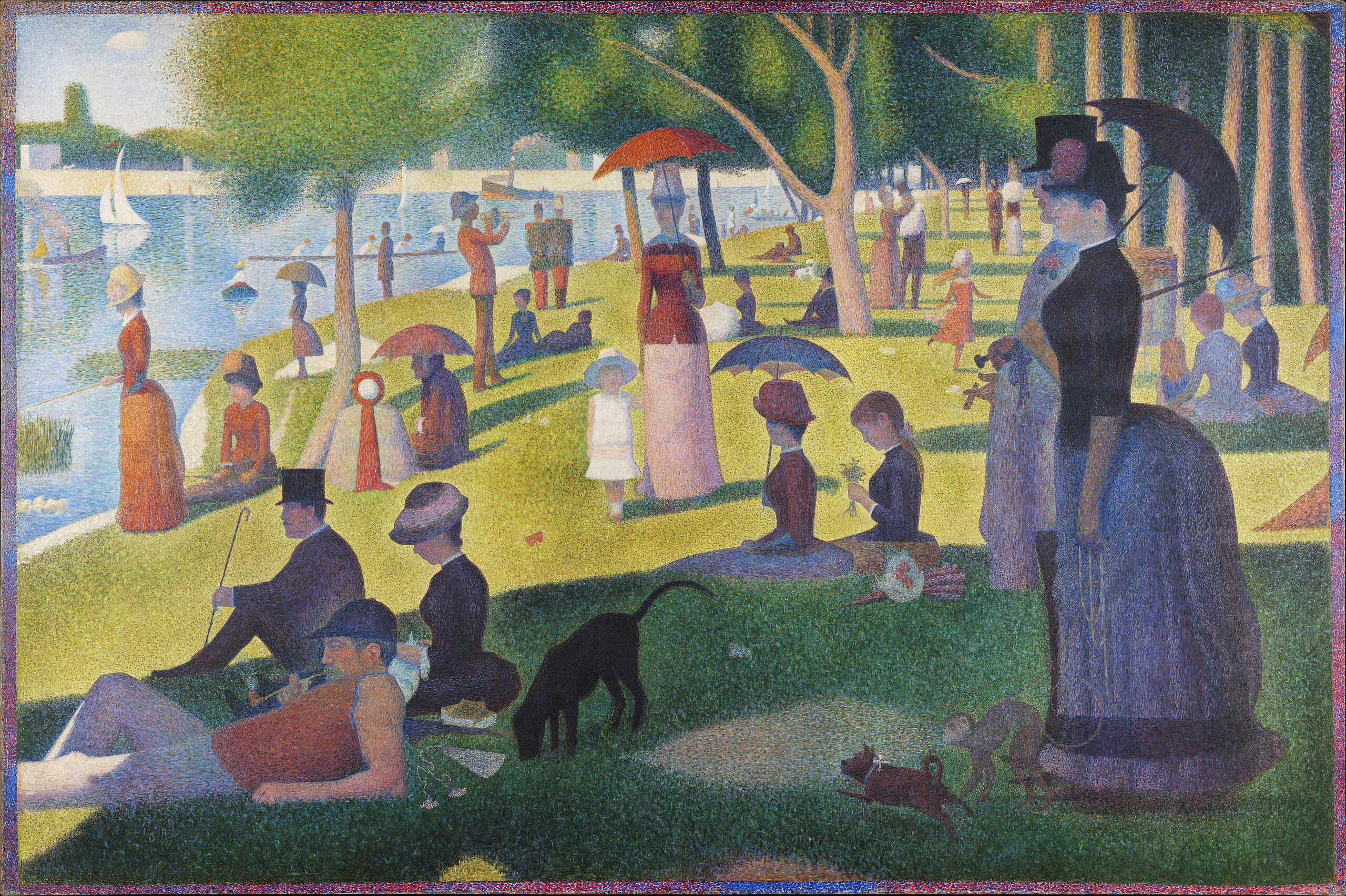
The visitors to Seurat’s island stand, sit and recline beside the Seine, but their leisure has an unusually formal appearance. Profiles repeat; parasols form rounded shapes; the large figures at the right seem almost as fixed as monuments. A familiar place of modern recreation becomes an ordered stage.
Seurat developed the painting from 1884 and exhibited it in 1886. The Art Institute describes several working campaigns, rather than a canvas made entirely by placing dots from the beginning. Smaller touches of colour were built over earlier brushwork, and further changes followed.
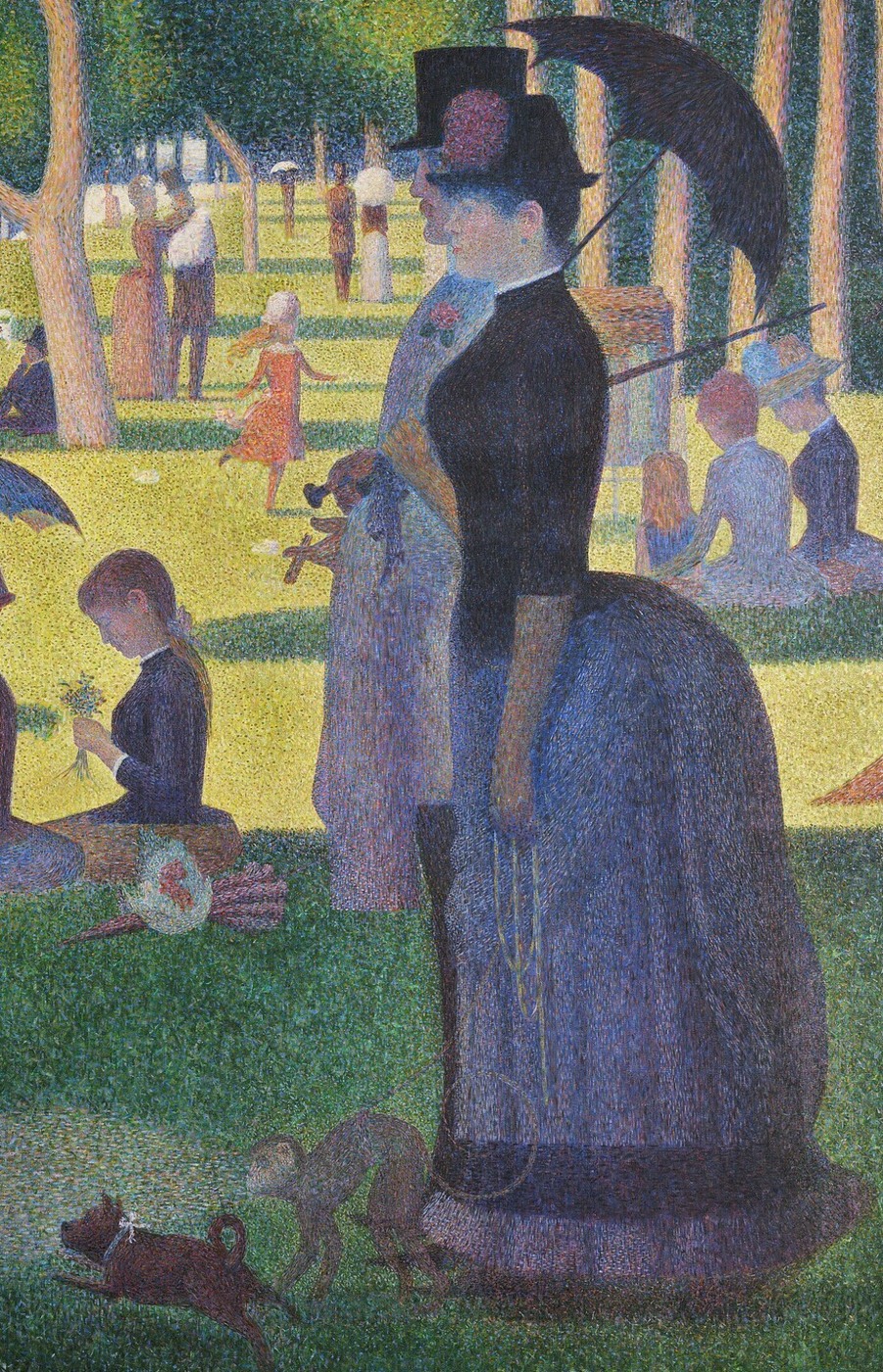
Look from the shaded foreground towards the bright grass. The same scene changes its visual texture as your distance from it changes: separate marks become figures, sunlight and water. This is one reason pointillism needs to be understood through the whole composition as well as through a close view of its surface.
Museum reference: Art Institute of Chicago: Seurat and the Making of La Grande Jatte.
 Explore the artistClaude Monet →
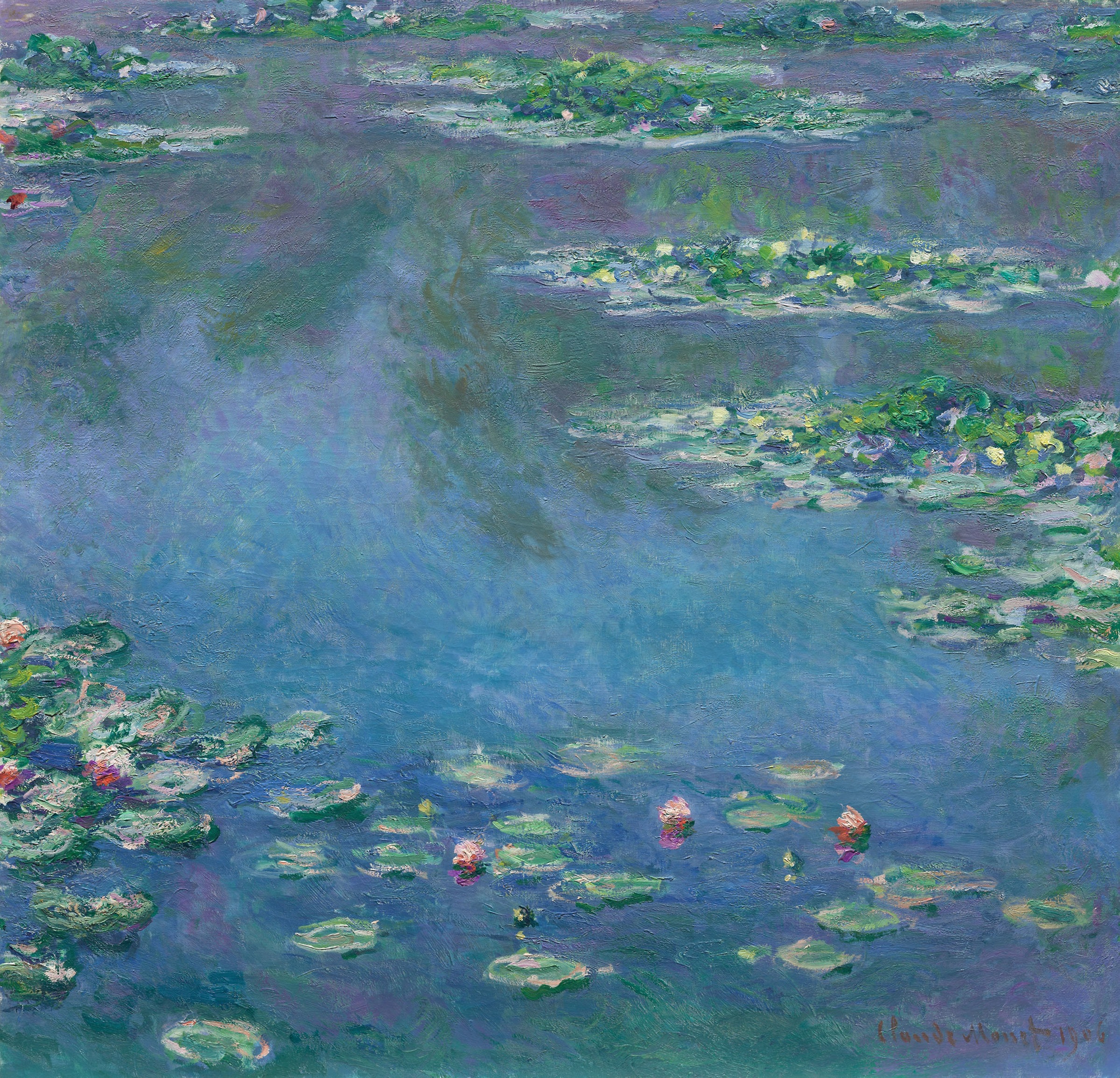
Water Lilies names a large group of Monet paintings, not one interchangeable image. This guide shows the 1906 canvas in the Art Institute of Chicago. Naming the version makes it possible to discuss its actual colours, shape and painted details rather than borrowing features from another pond scene.
There is no strip of sky above the water. Trees appear as reflections, interrupted by floating pads and pink flowers. Your eye has to move between the flat pond surface and the space apparently opening beneath it. A flower can establish the surface just where a darker reflection seems to draw you further in.
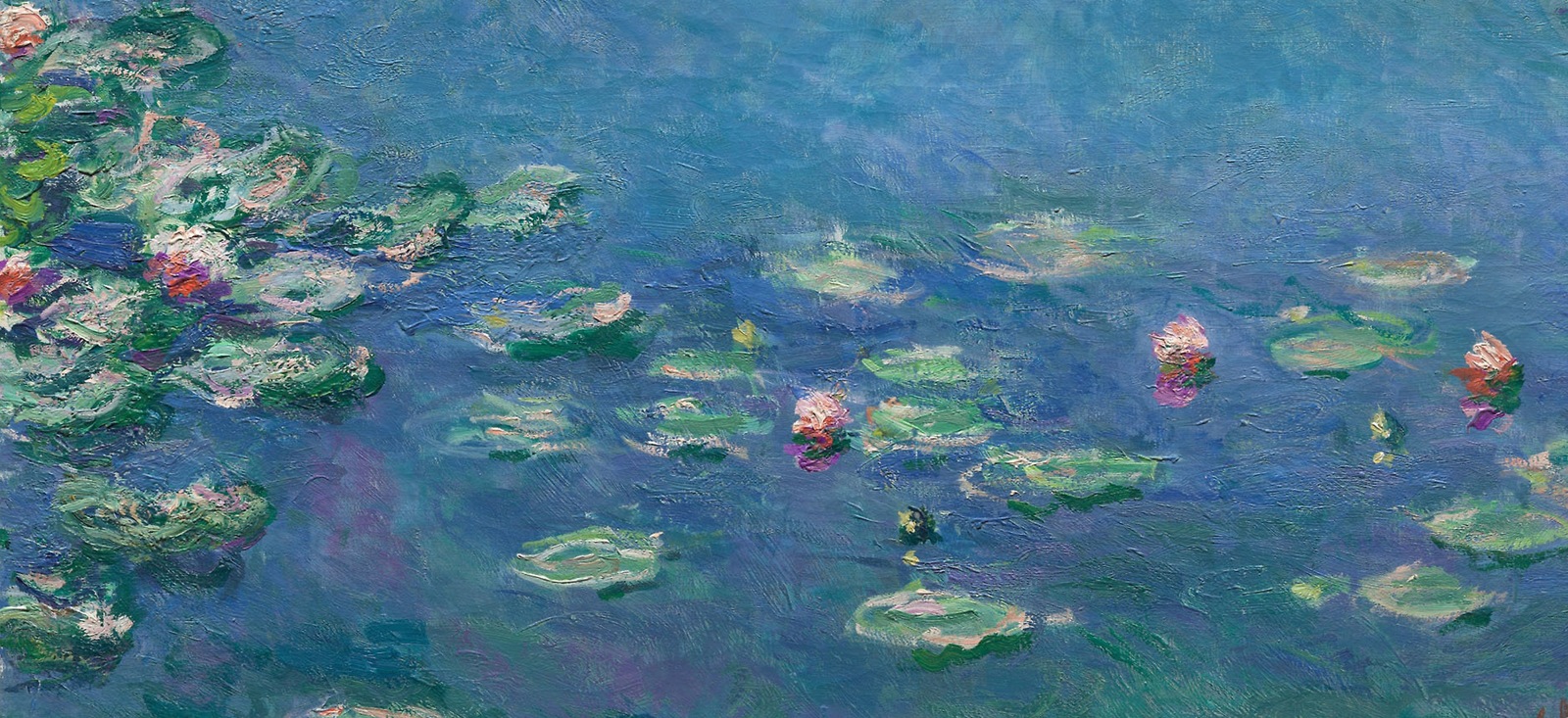
The later Water Lilies decorations at the Musée de l’Orangerie are different works. Likewise, the blue 1905 composition available in the related ByMuseum product is not this Chicago canvas. The full article explains that distinction and follows the flowers, reflections and paint surface in closer detail.
Museum reference: Art Institute of Chicago: Water Lilies, 1906.
 Explore the artistEdvard Munch →
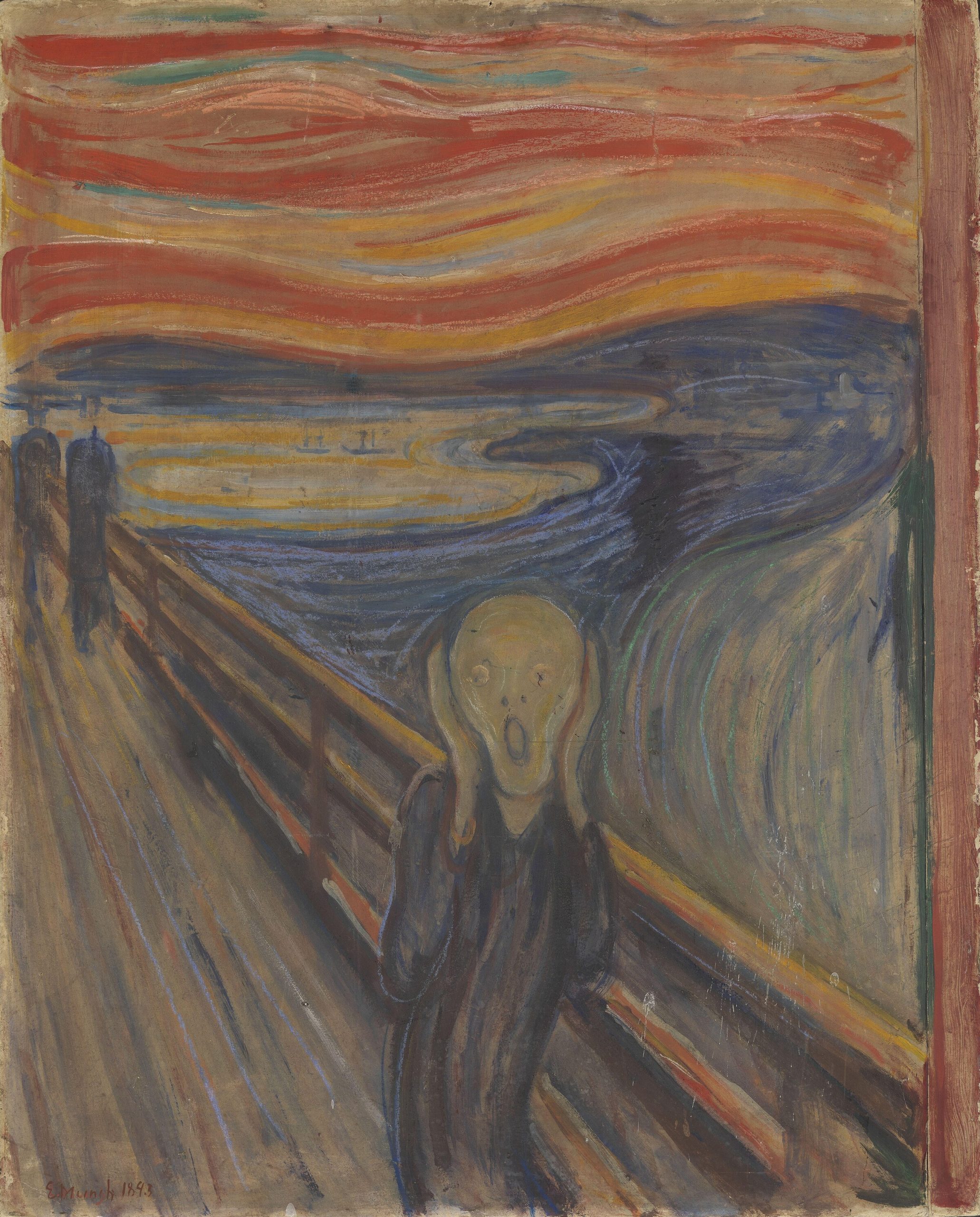
The open mouth makes it easy to assume that the central figure is simply shouting. Munch’s accompanying account describes something more unsettling: he felt a scream passing through nature while his companions walked on. The hands beside the head can therefore suggest a person receiving an overwhelming sensation as well as expressing one.
In the National Museum’s 1893 version, the straight railing rushes into the distance while sky, shoreline and body bend into curves. The two background figures seem comparatively secure. This contrast gives the foreground figure’s distress a surrounding world against which to register.
There are several versions of The Scream, including paintings, pastels and a lithograph. The museum identifies the material of this particular work as tempera and crayon on cardboard. Its expressive power does not depend on the polished surface or naturalistic colour expected of a conventional portrait.
Museum reference: National Museum, Norway: The Scream.
 Explore the artistLeonardo da Vinci →
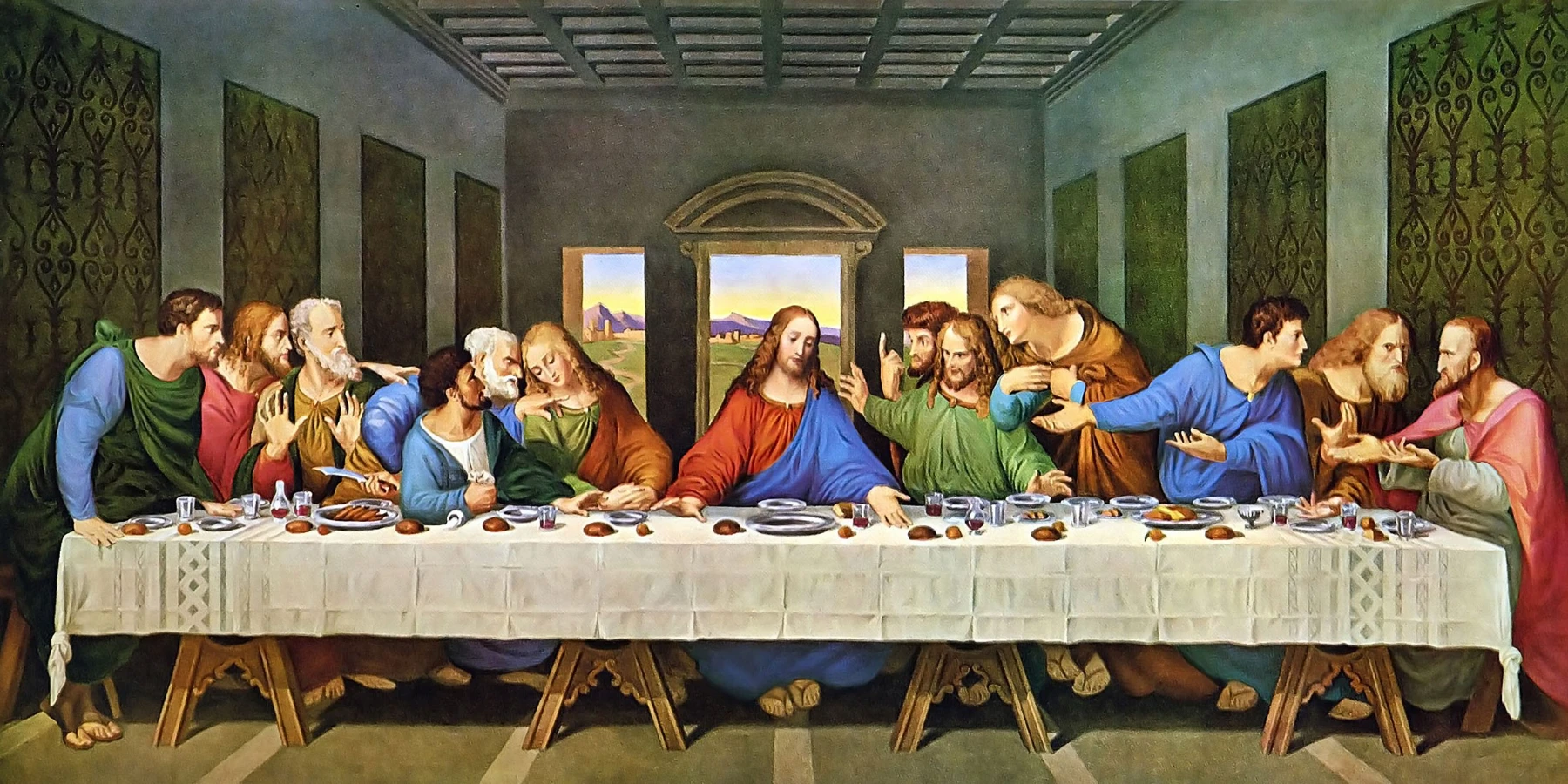
Leonardo organises The Last Supper around the shock of Christ’s announcement that one of the apostles will betray him. The figures react in groups: hands rise, bodies lean towards one another, and questions seem to pass along the table. Christ remains a comparatively stable centre.
Judas is present among the others. He withdraws into the group near Peter and John, rather than sitting alone on our side of the table. Recognising him within that compressed cluster changes the scene from a diagram of good and evil into a tense human gathering.
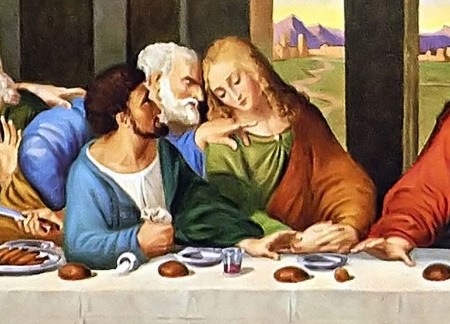
The work remains on the refectory wall at Santa Maria delle Grazie in Milan. Unlike Michelangelo’s Sistine ceiling, it was made using an experimental dry-wall technique rather than ordinary wet-plaster fresco. The official museum explains how that choice helped Leonardo work slowly but also left the painting vulnerable to deterioration.
Museum reference: Museo del Cenacolo Vinciano: A powerful theatrical machine.
 Explore the artistVincent van Gogh →
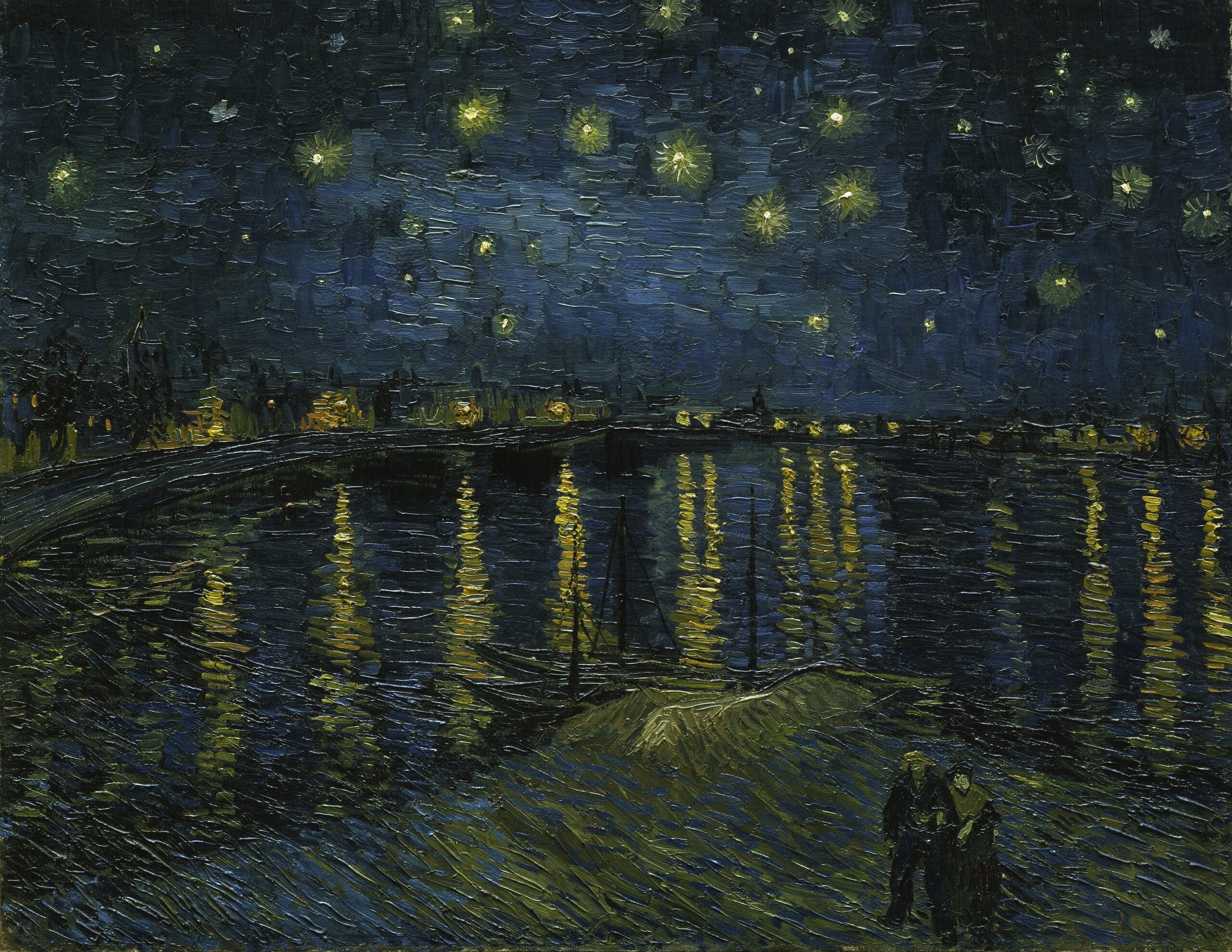
Van Gogh painted this night scene in Arles in 1888, before the Saint-Rémy sky that opens our selection. Here the stars share the picture with a modern town. Gaslights along the opposite bank leave long yellow reflections across the river, while the stars spread shorter points of brightness above them.
The difference gives the water an important role. It carries artificial light towards the foreground, turning the river into an active part of the city. At the lower edge, a couple brings the enormous spread of sky and water back to the scale of people walking together.
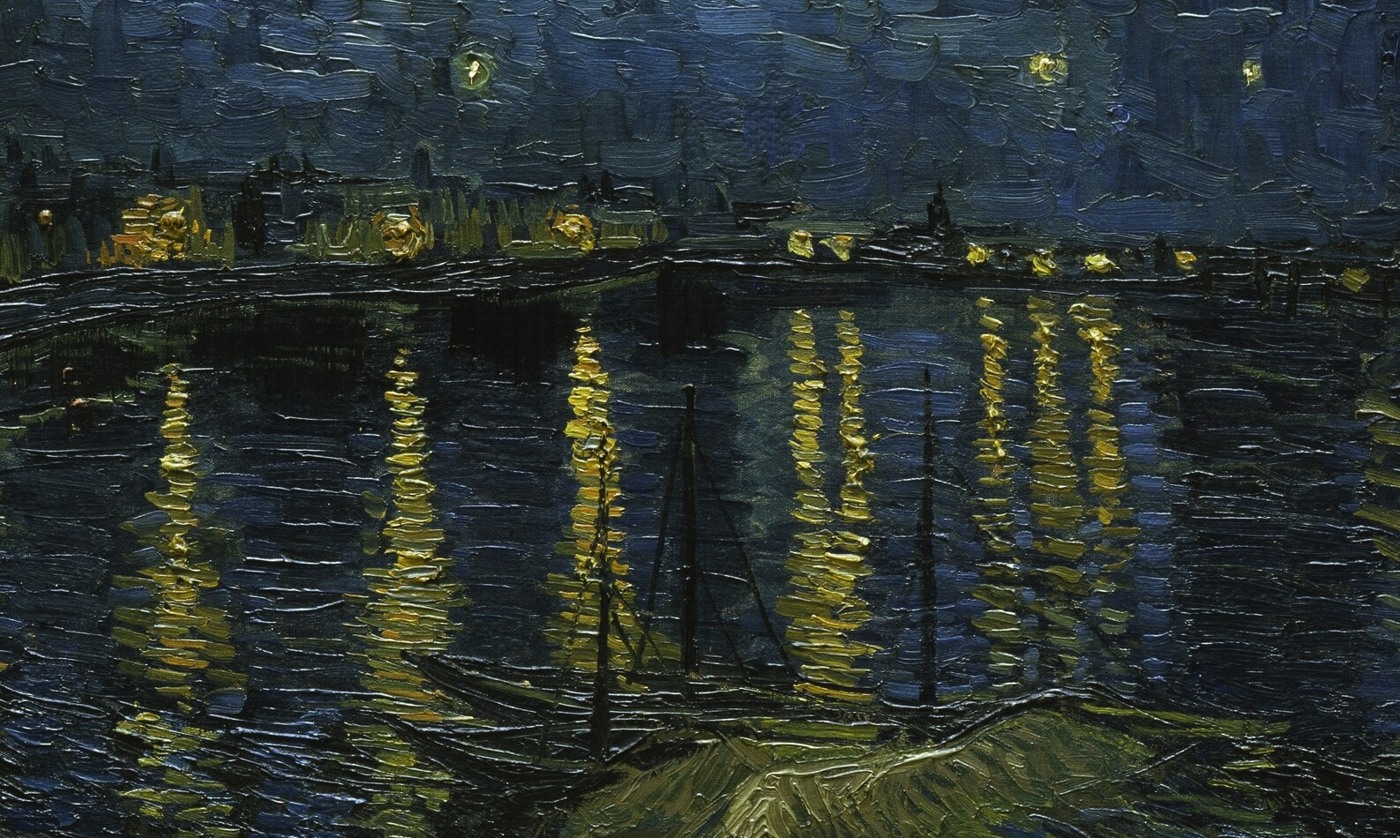
The Musée d’Orsay’s record places the work within Van Gogh’s sustained wish to paint the night. Comparing it with The Starry Night shows how widely he could vary the subject: a riverside encounter in one painting, a more turbulent, constructed landscape in the other.
Museum reference: Musée d’Orsay: Starry Night.
 Explore the artistRaphael →
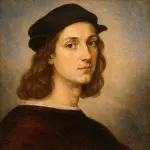
Plato points upwards. Aristotle extends his hand out towards the world before him. Raphael puts these contrasting gestures at the centre of The School of Athens, where ancient thinkers gather under a vast imagined architecture.
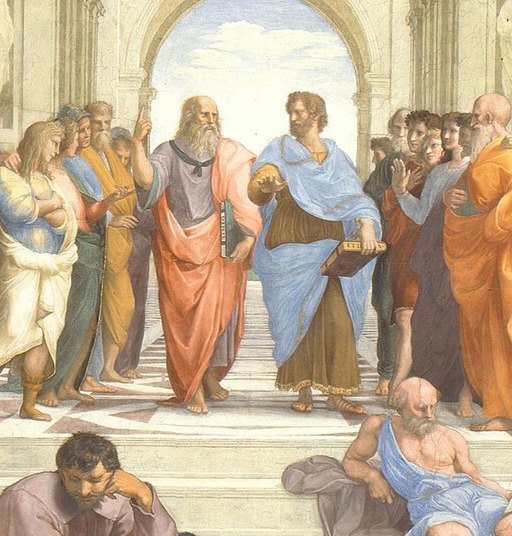
The Vatican Museums identifies the books held by the two philosophers as Plato’s Timaeus and Aristotle’s Ethics. Around them, learning takes different forms: a group studies geometry, figures read and write, and others appear absorbed in conversation. The scene does not record a historical meeting of everyone represented. It brings different generations together as an image of intellectual enquiry.
The fresco belongs to the Stanza della Segnatura, where philosophy appears within a larger programme of knowledge. Its balanced arches help us locate the central exchange, but the smaller groups prevent the picture from becoming a single lecture. Thought is presented as a shared activity with many approaches.
Museum reference: Vatican Museums: School of Athens.
 Explore the artistJohn Constable →
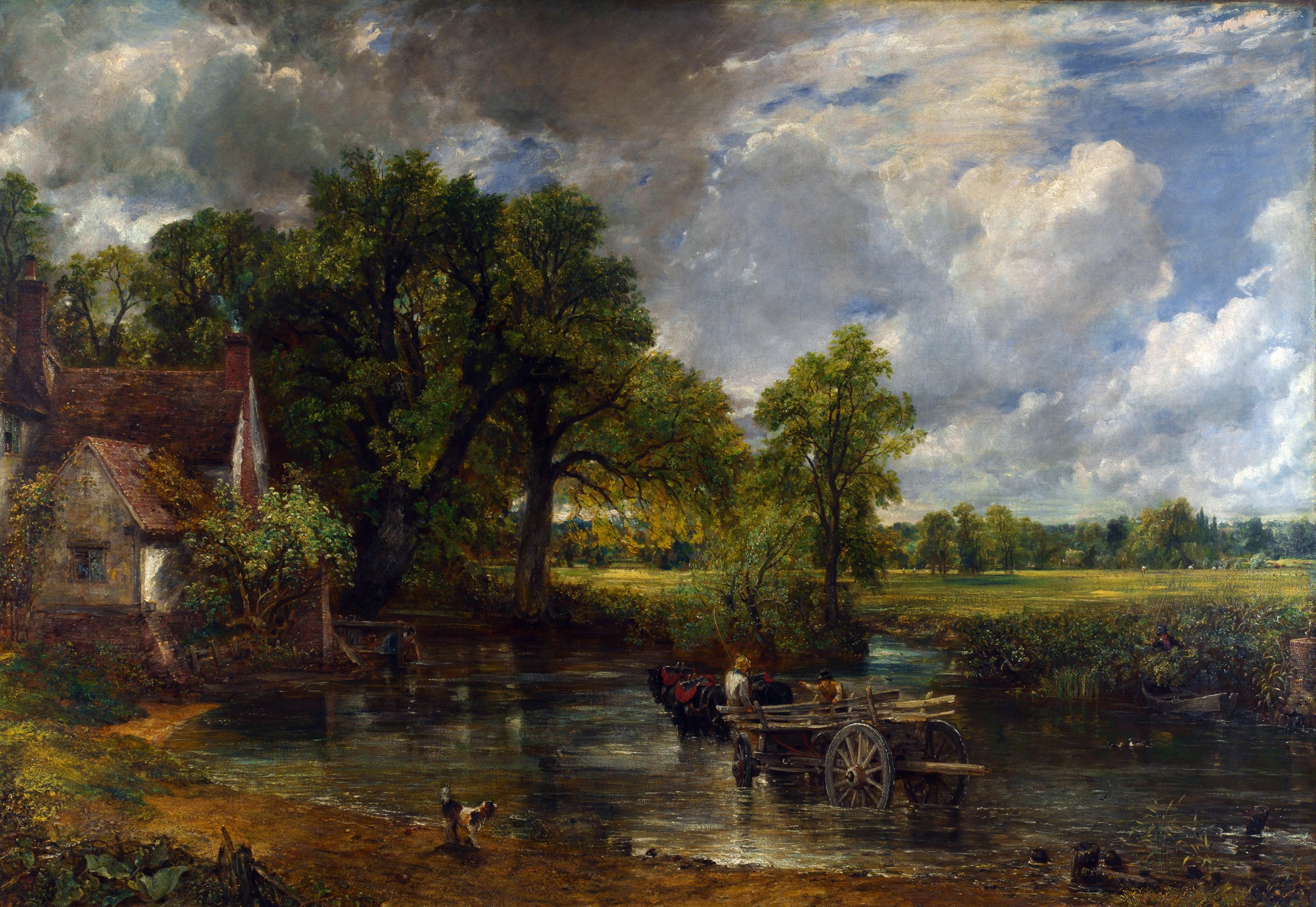
The wagon in the river gives The Hay Wain its name, but the setting is equally specific. Constable shows the area around Flatford on the River Stour, including the cottage at the left. This was a landscape he knew, not a generic invention of rural England.
The finished painting was made in 1821 using studies and remembered observation. The National Gallery describes his use of earlier oil sketches of the house. That process matters: the large canvas is a considered reconstruction, even though moving clouds and touches of light make the scene feel immediate.
Follow the small signs of work through the picture, from the horses and wagon to the distant field. They keep the landscape inhabited. Its present familiarity can make it seem effortlessly reassuring, but its scale and treatment of an ordinary rural subject also ask viewers to give working countryside the attention once reserved for grander themes.
Museum reference: National Gallery, London: The Hay Wain.
 Explore the artistTitian →
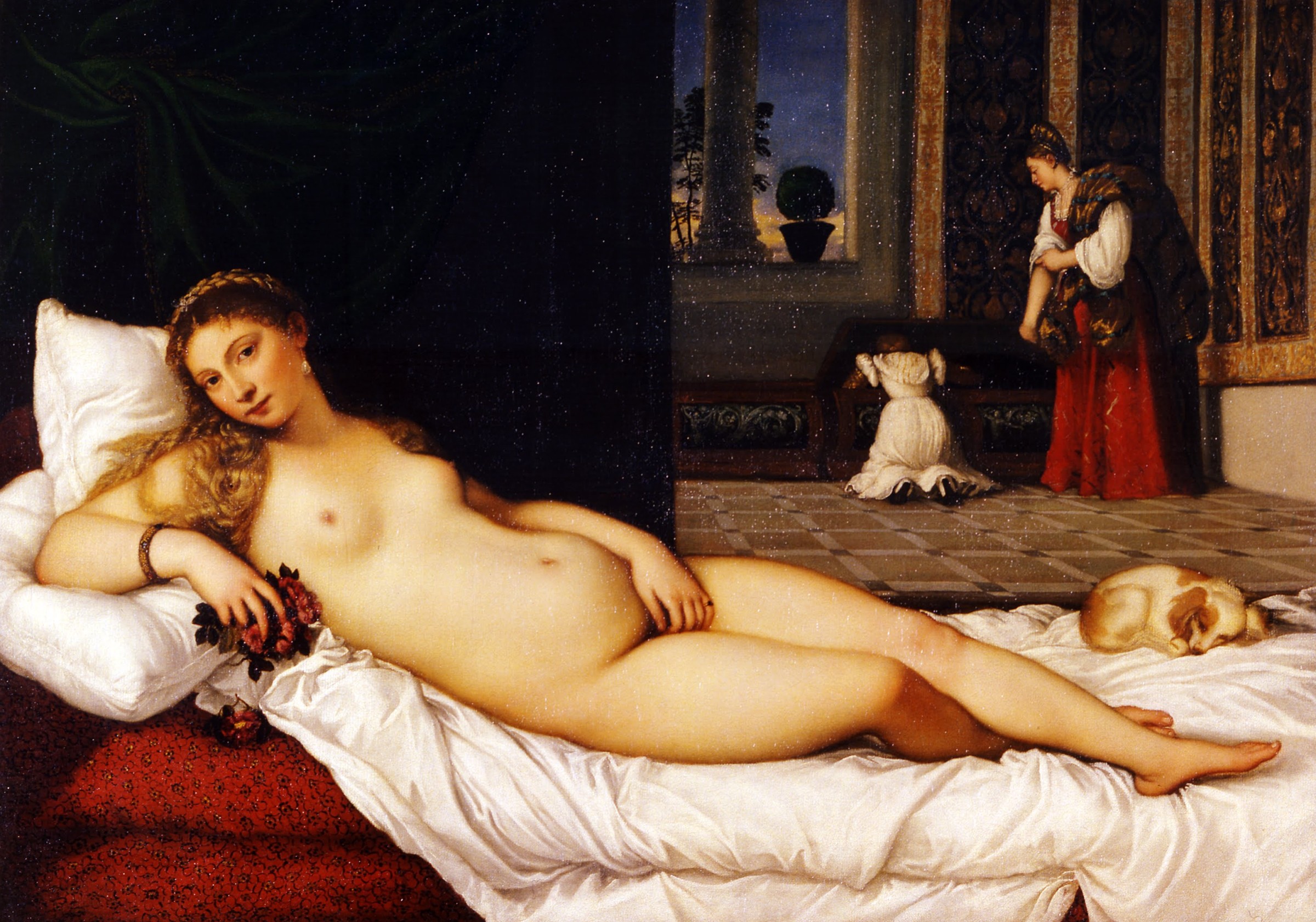
Titian’s reclining woman looks directly towards the viewer. Unlike Botticelli’s goddess arriving from the sea, she occupies an interior filled with recognisable domestic things: cushions, a bed, a small sleeping dog and two women attending to a chest in the background.
The Uffizi connects the 1538 painting with Guidobaldo II della Rovere and discusses its marriage associations. The dog can be read through the tradition of fidelity, but no single symbol exhausts the picture. The woman’s alert gaze and the warm modelling of her body remain central to the encounter.
Notice the dark division behind the bed. It separates the foreground from the deeper room, allowing the reclining figure and the background activity to operate at different scales. This arrangement would become important to later painters. Comparing it with Manet’s Olympia makes the changes in gaze, setting and social meaning especially visible.
Museum reference: Uffizi: Venus of Urbino.
Continue the comparison in our guide to Manet’s Olympia.
 Explore the artistGrant Wood →
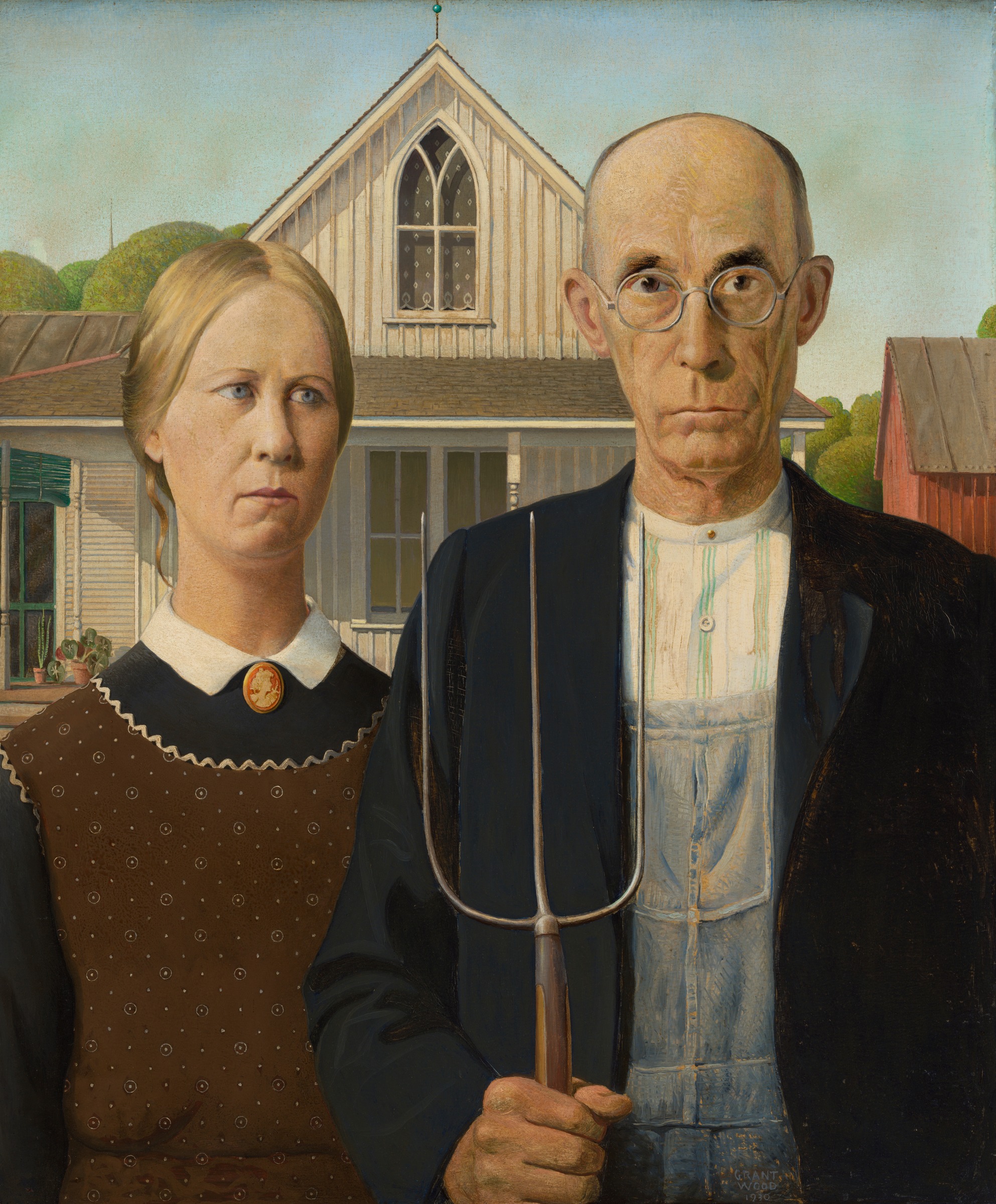
The two figures in American Gothic were modelled on Grant Wood’s sister Nan and his dentist, Byron McKeeby. They were not a farming couple discovered standing together outside their home. Wood assembled the image around a real Iowa house and the kind of people he imagined inhabiting it.
The pointed upstairs window gives the painting its Gothic reference. Its shape also belongs to a network of repetitions: the pitchfork, the man’s clothing and the upright architecture create a tightly controlled design. The figures are individual enough to seem recognisable, yet formal enough to invite broader readings.
Painted in 1930, the work can suggest endurance, severity or unease about rural identity. Those responses need not be forced into one answer. The woman looks to the side while the man faces forwards, leaving a slight separation between them within their otherwise closely joined pose.
Museum reference: Whitney Museum: Grant Wood, American Gothic and Other Fables.

 Explore the artistÉdouard Manet →
A barmaid faces us across a counter of bottles, fruit and flowers. Behind her, a mirror appears to reveal the crowded Folies-Bergère. Yet her reflection has shifted to the right, where a man leans towards her. The frontal encounter and the reflected conversation are difficult to fit into one straightforward viewpoint.
Manet’s model was Suzon, a barmaid at the venue, but he worked on the painting in his studio. The 1882 canvas is therefore a constructed image of modern entertainment, not a snapshot of one evening. The Courtauld’s account keeps that distinction clear.
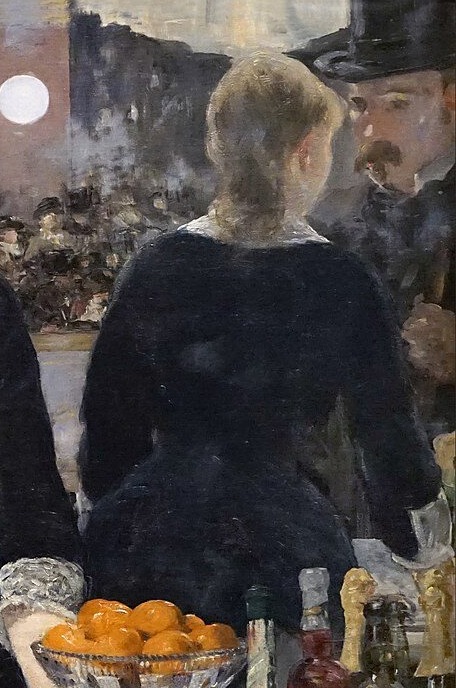
Look towards the upper-left corner and a performer’s cropped legs reveal another layer of activity. The spectacle continues above the apparently detached woman. Her expression remains open to interpretation, while the mirror makes our own position in this world of customers, workers and display feel uncertain.
Museum reference: The Courtauld: A Bar at the Folies-Bergère.
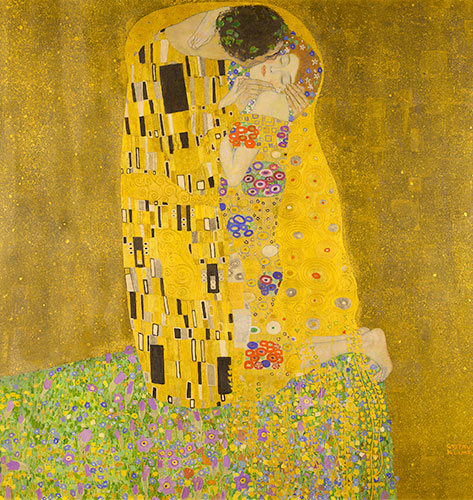
 Explore the artistGustav Klimt →
The lovers in Klimt’s The Kiss seem held within a single golden shape. Their faces, hands and feet emerge from clothes covered with different patterns: dark rectangles around the man, rounded and flower-like forms around the woman. An intimate embrace becomes a design that nearly absorbs the bodies.
The Belvedere dates the painting to 1908, completed in 1909. It was acquired for the Austrian collection at its first presentation in 1908, while Klimt was still alive. The museum’s dating is more precise than the 1907–1908 range often repeated in popular summaries.
At the lower edge, the woman’s bare feet meet a flowered patch of ground. Beyond it, the setting becomes hard to measure. That uncertain boundary can make the embrace appear sheltered or precarious, depending on where your attention rests. The image offers closeness without providing an ordinary room or landscape to contain it.
Museum reference: Belvedere: The Kiss, 1908, completed 1909.
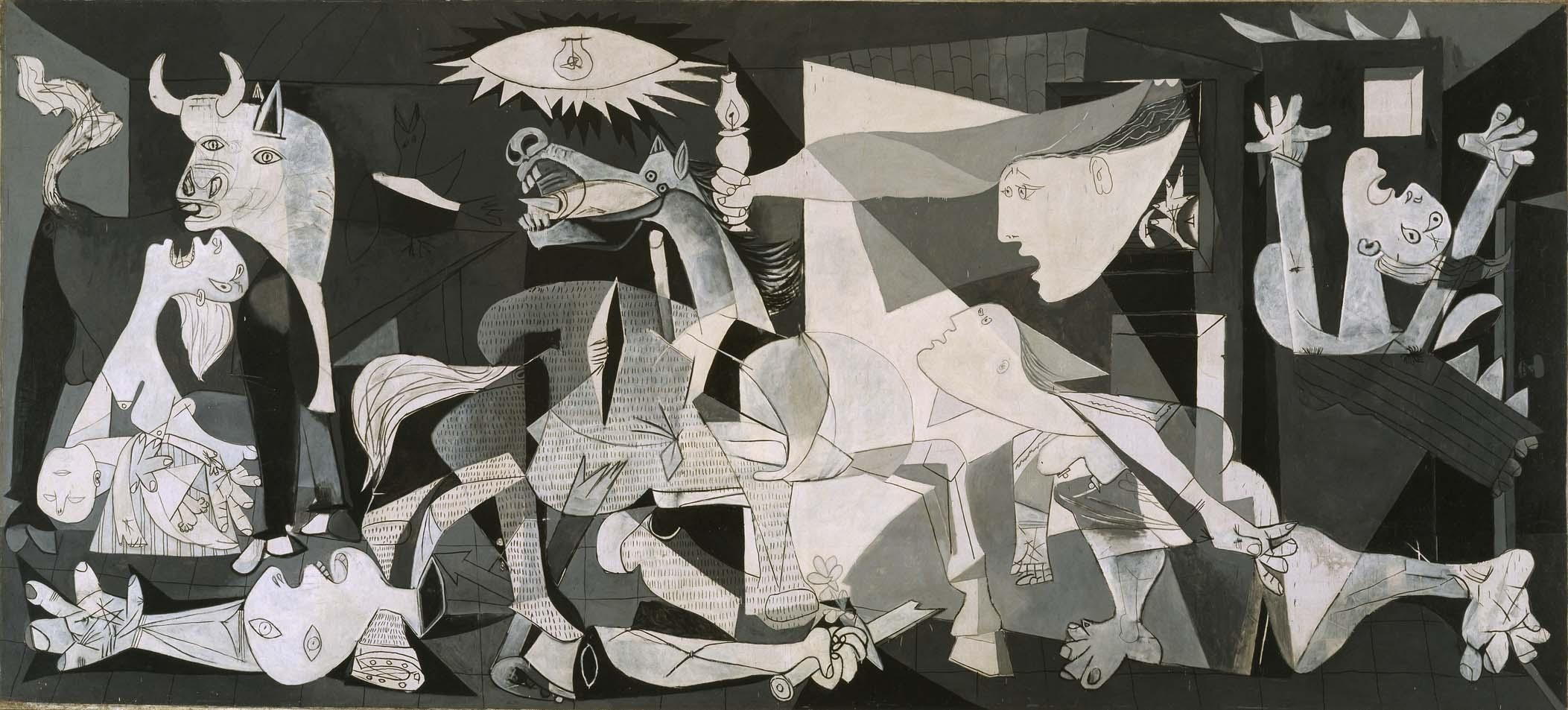
 Explore the artistPablo Picasso →
Picasso made Guernica in 1937 for the Spanish Republic’s pavilion at the Paris International Exhibition, following the bombing of the Basque town. The picture does not reconstruct the attack as a view of aircraft and streets. It gathers broken bodies, a wounded horse, a bull and figures crying out into a compressed black, white and grey space.
At the left, a woman holds a lifeless child. Near the centre, a harsh electric light hangs over the horse; another light is carried into the scene by a reaching figure. These competing sources of illumination do not make the suffering easier to understand or escape.
The Reina Sofía’s research documents the painting’s creation and later journeys. Its return to Spain in 1981 followed decades abroad. Interpretations of the bull and horse vary, so treating every form as a fixed code can obscure the larger subject: civilian suffering made impossible to overlook.
Museum reference: Museo Reina Sofía. See the collection record through the button below.
No. Some works tell a documented religious, historical or mythological story; others explore a sitter, a place, colour or the act of looking. A careful interpretation begins with what the painting shows and distinguishes evidence from speculation.
No. Lisa Gherardini is identified in the Louvre’s record, while Vermeer’s Girl with a Pearl Earring belongs to the tradition of the tronie. Grant Wood used real models to construct the scene in American Gothic. A recognisable face does not automatically make an image a straightforward biographical portrait.
A painting may have a popular name and a formal title, an approximate date, or several versions. Museum records help establish which object is being discussed. This guide distinguishes Monet’s 1906 Chicago Water Lilies from other canvases in the series and identifies the National Museum’s 1893 Scream.
Use the full-article links beneath the entries for longer ByMuseum stories. Museum references and the source list lead to collection records. Our Impressionist painting guide and Symbolist painting guide place related works in their movements.
Enjoyed this story?
Save articles to your collection
Log in or create a free account, and this article will be waiting in your Private Collection.
Log in or sign up
Man Writing a Letter
Gabriel Metsu, c. 1664
The gallery list
Every painting is already 50% off. Join the list and we will send you an extra $15 code, plus first access to new collections.
No spam. Unsubscribe anytime. · Privacy Policy
Welcome
Your $15 code is on its way. Explore the gallery while you wait.