Loading cart…
No products in the cart.

The stories behind famous paintings, the painters who made them, and the movements that shaped them. Every work here can be recreated by hand in oil on canvas.
Christ points from the shadows as Lazarus’s stiff body is lifted from the grave: Caravaggio’s great altarpiece painted in exile in Messina.
Saul falls from his horse as Christ reaches down from the sky: Caravaggio’s crowded first version, painted on wood and replaced in the chapel.
An old scholar reaches across the table towards a skull: Caravaggio’s Saint Jerome Writing in the Galleria Borghese.
A sorrowful David holds out the head of Goliath, whose face is widely read as Caravaggio’s own: a late work from his years in exile.
Caravaggio shows the killing itself: Judith frowning at arm’s length, Holofernes screaming, an old maid waiting with the sack.
Christ points from the shadows and a beam of light crosses the wall: Caravaggio’s first public commission, still in its Roman chapel.
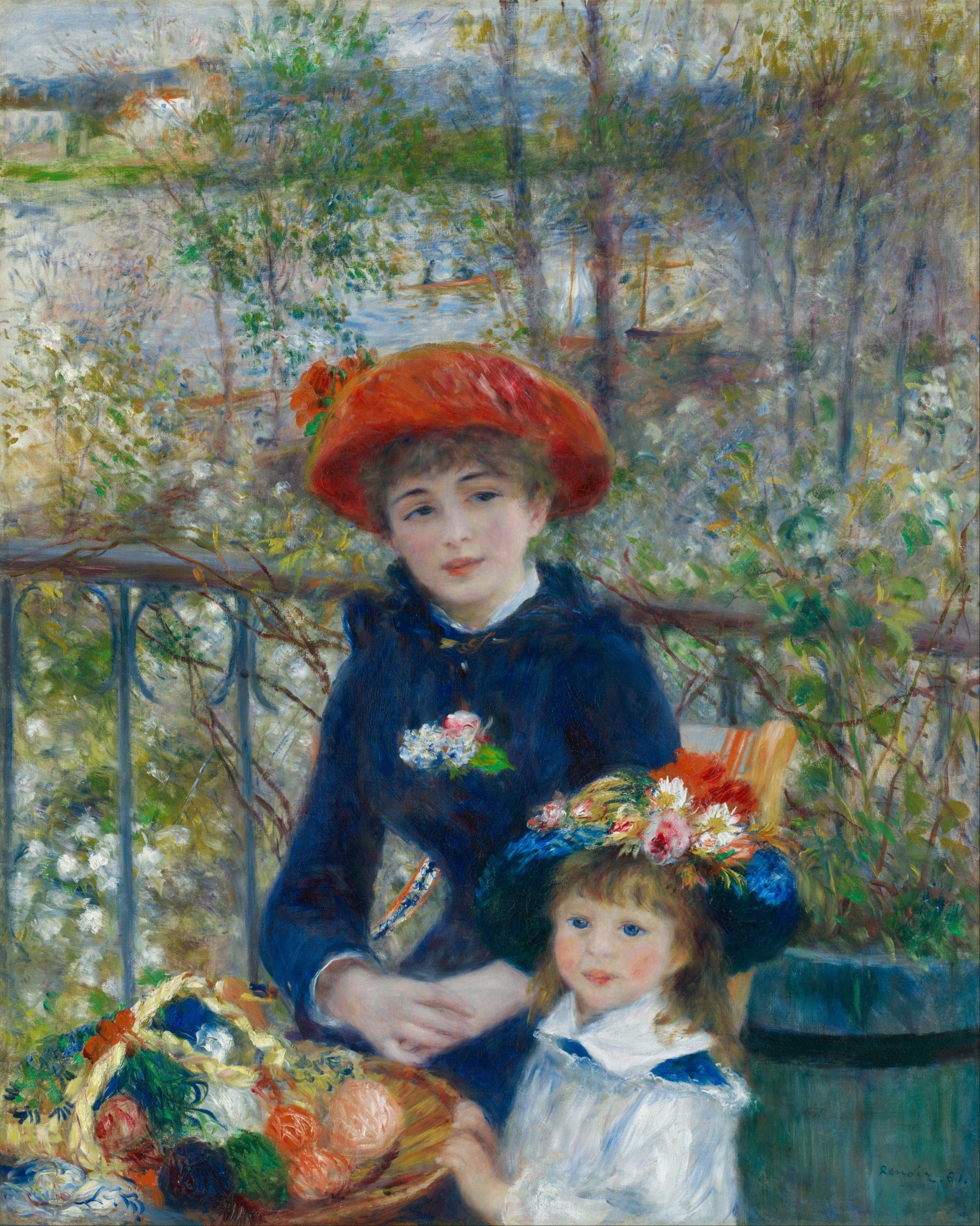
A red hat, a flowered hat and a basket of wool on a terrace above the Seine at Chatou. The two models were not actually sisters.
Dutch Golden Age · Dutch · 1632 to 1675
Meet 10 famous artists through the masterpieces that defined their work, with artist guides and hand-painted oil reproductions from ByMuseum.
A grey farmhouse half hidden behind a screen of leaves and a meadow of flowers: one of Klimt’s square summer landscapes from the Attersee.
Two women drift through a golden underwater world in Klimt’s Water Serpents I, painted with gold on parchment, now in the Belvedere in Vienna.
Klimt’s Judith of 1909, squeezed into a tall, narrow canvas: clawed hands, a cold profile and a severed head almost hidden at the edge.
A young woman sleeps under a blanket of flowers and spirals, surrounded by others between sleep and waking: Klimt’s late, colourful Virgin.
Klimt’s late painting of two women close together in a world of red, destroyed by fire at Schloss Immendorf in 1945 and known today only from…
Explore Klimt’s Death and Life: the open-eyed woman, Death’s red club, the embracing figures and the changes revealed by an earlier version.
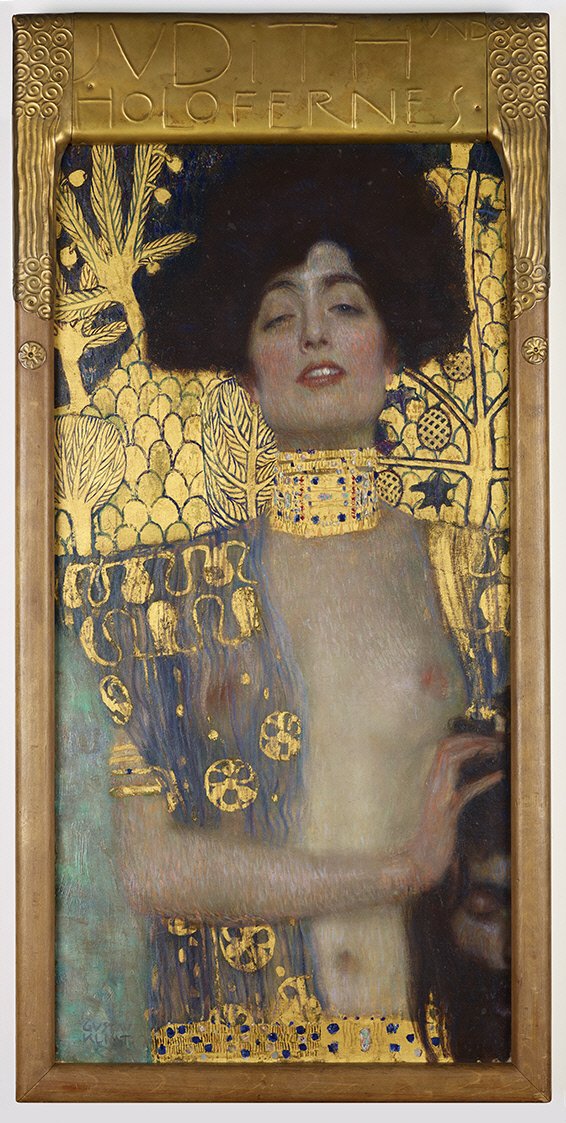
Judith tilts her head back with half-closed eyes, a gold collar at her throat and Holofernes’s head at the edge: Klimt, 1901.
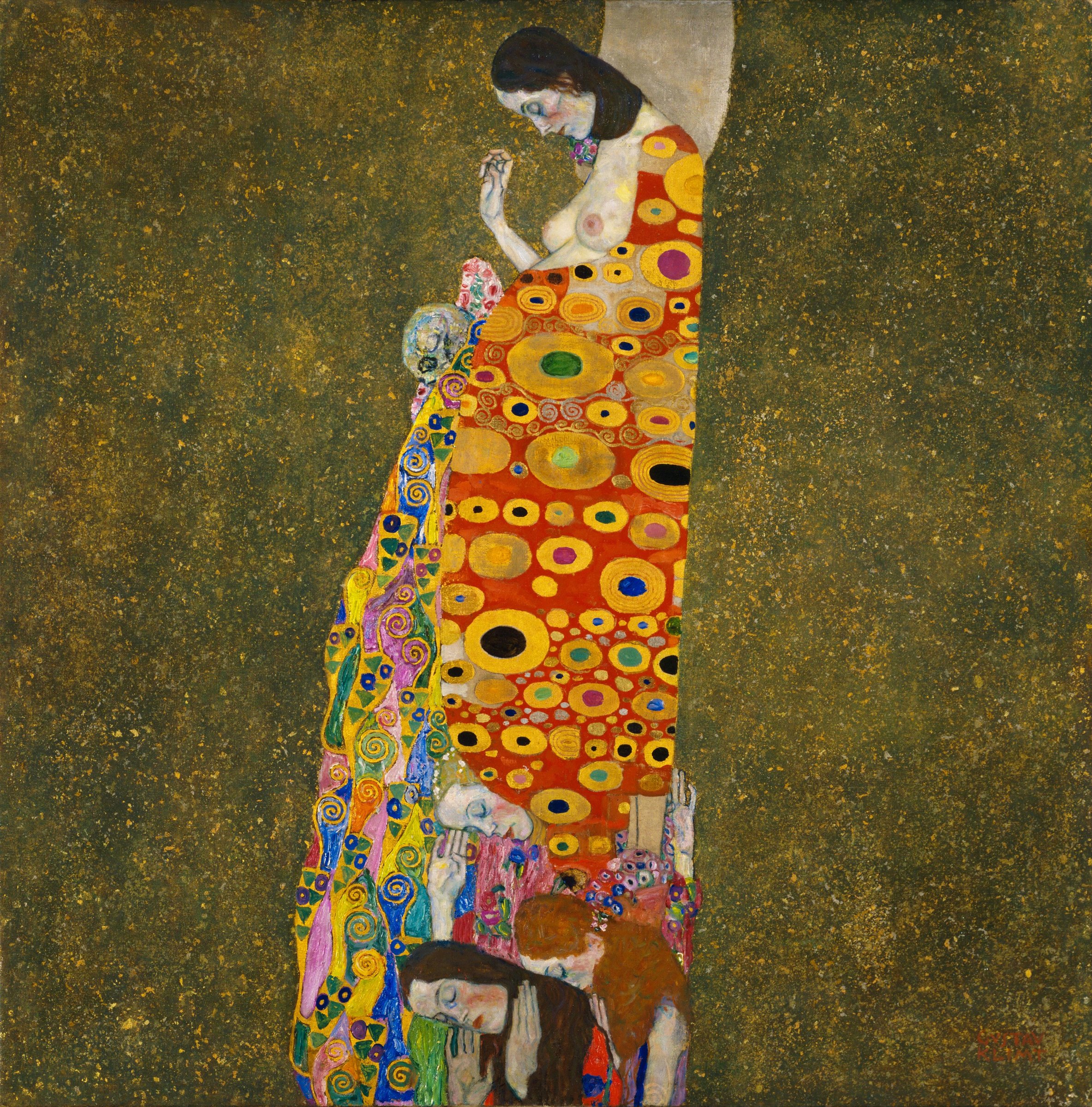
A pregnant woman prays in a robe of red and gold while a skull peeks out at her waist: Klimt’s Vision, now known as Hope II.
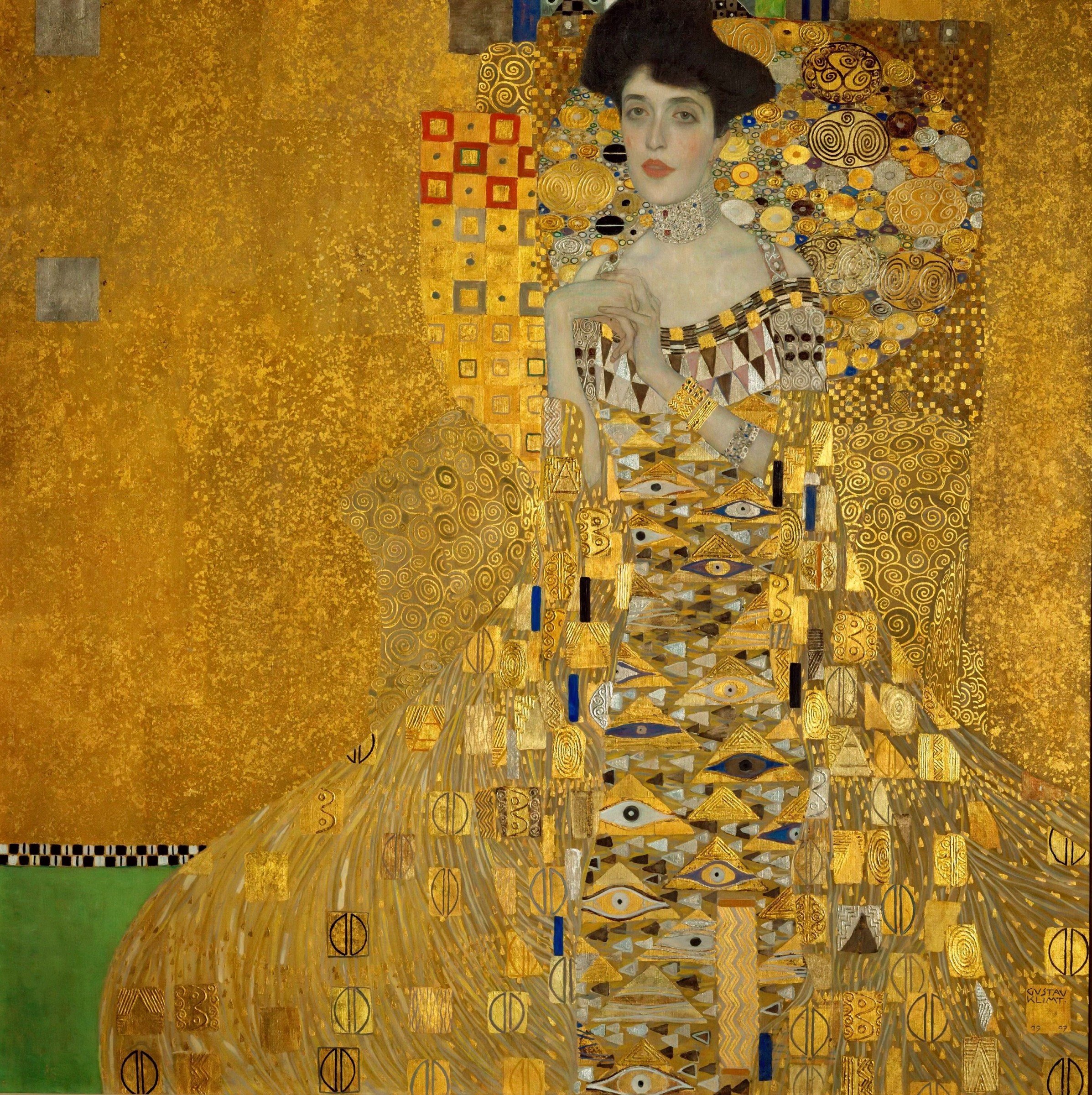
Klimt’s Woman in Gold: a real face and nervous hands inside a field of gold and Egyptian eyes, and a long fight to win it back.

Man Writing a Letter
Gabriel Metsu, c. 1664
The gallery list
Every painting is already 50% off. Join the list and we will send you an extra $15 code, plus first access to new collections.
No spam. Unsubscribe anytime. · Privacy Policy
Welcome
Your $15 code is on its way. Explore the gallery while you wait.